Ever wonder how Bitcoin mining companies raise billions of dollars to build massive data centers and why those financing decisions affect the returns you can expect? This article breaks down the common funding methods miners use, the risks tied to big projects—especially when they shift toward AI—and what you should watch for as a participant in crypto earning.
What financing looks like for Bitcoin mining operations
Bitcoin mining is capital‑intensive. To stay competitive, operators need powerful hardware (ASICs), cheap electricity, and large facilities that can house thousands of machines. Because the upfront costs can run into the hundreds of millions, miners rarely rely on cash on hand. Instead, they turn to a mix of:
- Equity financing: Selling shares to investors, either through public listings or private placements. Investors receive ownership stakes and hope for future profit distributions.
- Debt financing: Borrowing money from banks, private lenders, or issuing bonds. Debt must be repaid with interest, regardless of mining profitability.
- Strategic partnerships: Agreements with hardware suppliers, cloud providers, or energy firms that may include upfront payments, lease‑back arrangements, or joint‑venture equity.
- Project‑specific contracts: Long‑term service or power‑purchase agreements that guarantee a revenue stream once the facility is operational.
Each method carries its own risk profile. Equity dilutes existing owners but does not require regular cash outflows. Debt adds financial pressure, especially if mining revenue drops. Partnerships can reduce risk by sharing costs, but they also tie the miner’s success to the partner’s performance.
Why miners are pivoting to AI and what that adds to the risk mix
As Bitcoin’s block reward halves and competition intensifies, some miners look to diversify revenue by offering AI compute services. This means repurposing or expanding data centers to host graphics processing units (GPUs) that power machine‑learning workloads. The shift introduces new cost categories:
- Construction risk: Building or retrofitting facilities for AI requires different cooling, power, and networking infrastructure, often at higher cost than a pure‑mining setup.
- Financing risk: New projects may need additional capital. If investors are wary—perhaps because of market volatility or a supplier’s leadership change—raising that capital can become more expensive or slower.
- Customer credit risk: AI contracts often involve large enterprises that may delay payments or renegotiate terms, affecting cash flow.
- Equipment risk: GPUs have shorter useful lives than ASICs for Bitcoin, leading to more frequent replacement cycles and higher depreciation.
When a miner already has a funded Bitcoin‑only project with secured power contracts and pre‑signed customer agreements, its risk profile stays relatively stable. In contrast, a miner still seeking capital for an AI expansion faces higher uncertainty, which can translate into wider swings in its share price and, ultimately, the returns passed on to token holders or profit‑sharing participants.
Real‑world illustration
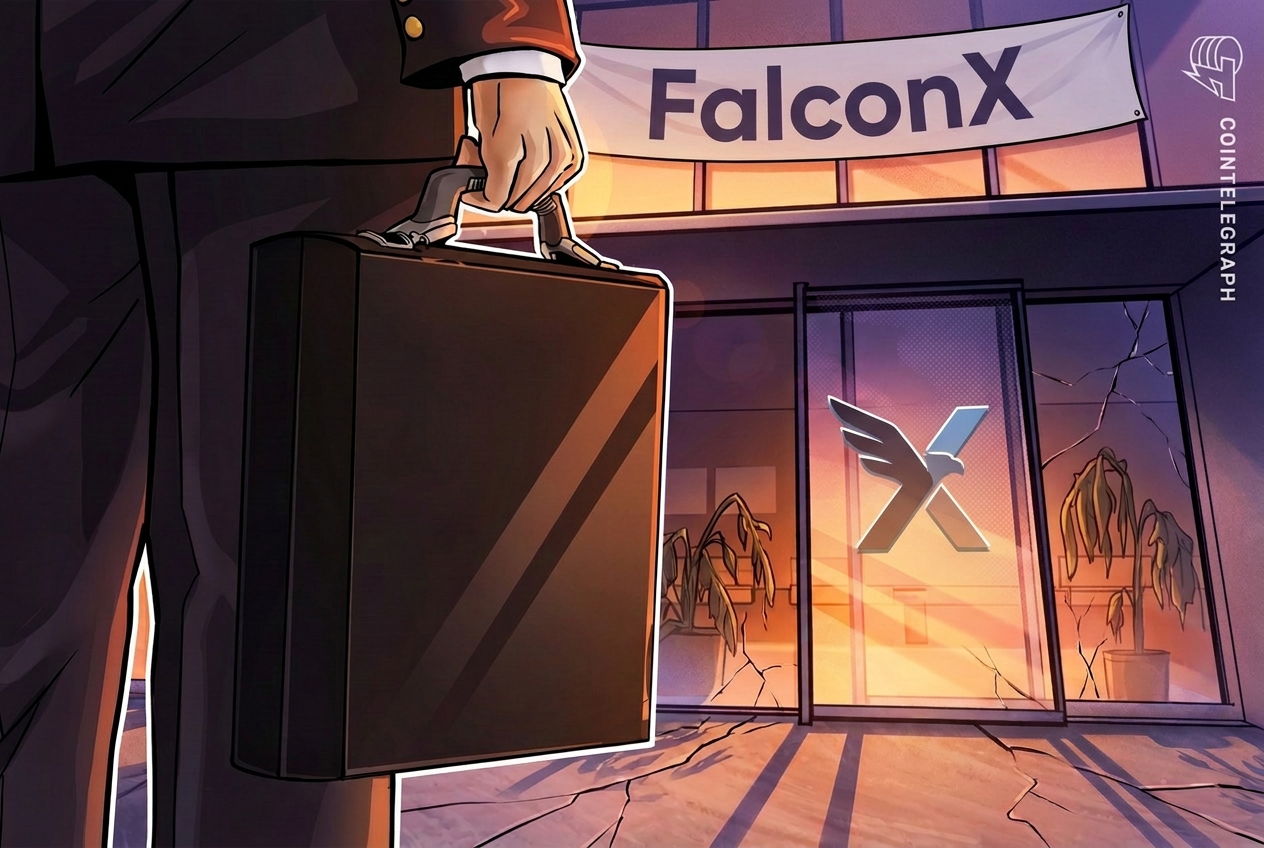
In November 2026, Nvidia’s leadership upheaval—most notably the departure of CEO Jensen Huang—sent shockwaves through the crypto mining sector. Companies such as IREN, which had signed a five‑year, $3.4 billion cloud services contract with Nvidia earlier in the year, saw their stock prices tumble after the AI sell‑off that followed Huang’s exit. The drop meant that any miner needing to raise equity would have to issue more shares to raise the same amount of cash, diluting existing investors. At the same time, analysts warned that slower Nvidia investment or reduced capacity purchases could raise financing costs for miners building AI‑focused data centers, potentially delaying construction and affecting cash flow.
What this means for you, the online earner
If you earn passive income by staking a mining‑related token, investing in a mining pool, or holding shares of a mining company, the financing health of that operation matters. A miner with solid, pre‑funded projects and long‑term power contracts is more likely to generate steady earnings, even if Bitcoin’s price fluctuates. Conversely, a miner still chasing AI‑related capital may experience:
- Higher volatility in token payouts due to uncertain cash flow.
- Potential dilution of your holdings if the company issues new equity to raise funds.
- Longer payback periods for any profit‑sharing arrangements you participate in.
Understanding where a miner stands on the financing spectrum helps you gauge the stability of the passive income you expect.
How to evaluate a miner’s financing strategy
- Check capital structure: Look for disclosed ratios of debt to equity. A high debt load can be risky if mining margins shrink.
- Identify funded projects: Companies often announce when a data center is “fully funded” or when power contracts are signed. Those projects carry less financing risk.
- Review partnership agreements: Partnerships with reputable hardware or cloud providers can lower risk, but verify the terms—especially any clauses that could affect cash flow.
- Assess diversification: If a miner is branching into AI, examine the size of the new venture relative to its core mining business and whether it has secured customers.
- Monitor market sentiment: Share price movements can indicate investor confidence in the miner’s financing plan. Sudden drops may signal financing challenges.
FAQ
What is the difference between equity and debt financing for miners?
Equity financing involves selling ownership stakes, which dilutes existing shareholders but does not require regular repayments. Debt financing means borrowing money that must be repaid with interest, creating a fixed financial obligation regardless of mining profits.
Why does a miner’s shift to AI increase risk?
AI projects need different infrastructure, have shorter equipment lifespans, and rely on large contracts that may be delayed or renegotiated. This adds construction, equipment, and customer credit risk on top of the existing mining risks.
How can I tell if a mining company’s project is fully funded?
Companies typically announce when a data center has secured all necessary capital, power agreements, and customer contracts. Look for press releases or investor presentations that mention “fully funded” or “secured financing.”
Should I avoid miners that are still raising capital for AI projects?
Not necessarily, but you should expect higher volatility and potential dilution. Weigh the potential upside against the added risks and consider diversifying your exposure across miners with different financing profiles.
This article references reporting from cointelegraph.com.