Are you curious about earning money by betting on future events and wonder how those platforms stay legal? This article explains the mechanics of prediction markets, the regulatory landscape, and what you should consider before participating.
The plain explanation
A prediction market is an online platform where participants buy and sell contracts that pay out based on the outcome of a specific event, such as an election result, a sports game, or a weather condition. Each contract represents a binary outcome—typically “yes” or “no.” When you purchase a contract, you are essentially staking money that the event will happen (or not happen). If the event resolves in your favor, the contract pays a fixed amount, often $1 per contract; if not, you lose the amount you paid.
The price of a contract fluctuates with market sentiment. For example, a contract priced at $0.70 suggests that traders collectively estimate a 70 % chance of the event occurring. This price is determined by supply and demand: more buyers push the price up, more sellers push it down. The market thus aggregates diverse information, often providing a crowd‑sourced probability estimate that can be surprisingly accurate.
Key terms to know:
- Contract: The basic unit you trade, representing a specific outcome.
- Bid and Ask: The highest price a buyer is willing to pay (bid) and the lowest price a seller will accept (ask).
- Liquidity: The amount of money and number of contracts available for trading; higher liquidity usually means tighter spreads and smoother price movements.
- Settlement: The moment when the real‑world outcome is verified and contracts are paid out.
- Regulation: Legal rules that govern who can operate a prediction market, where they can accept users, and what types of events are allowed.
A real example
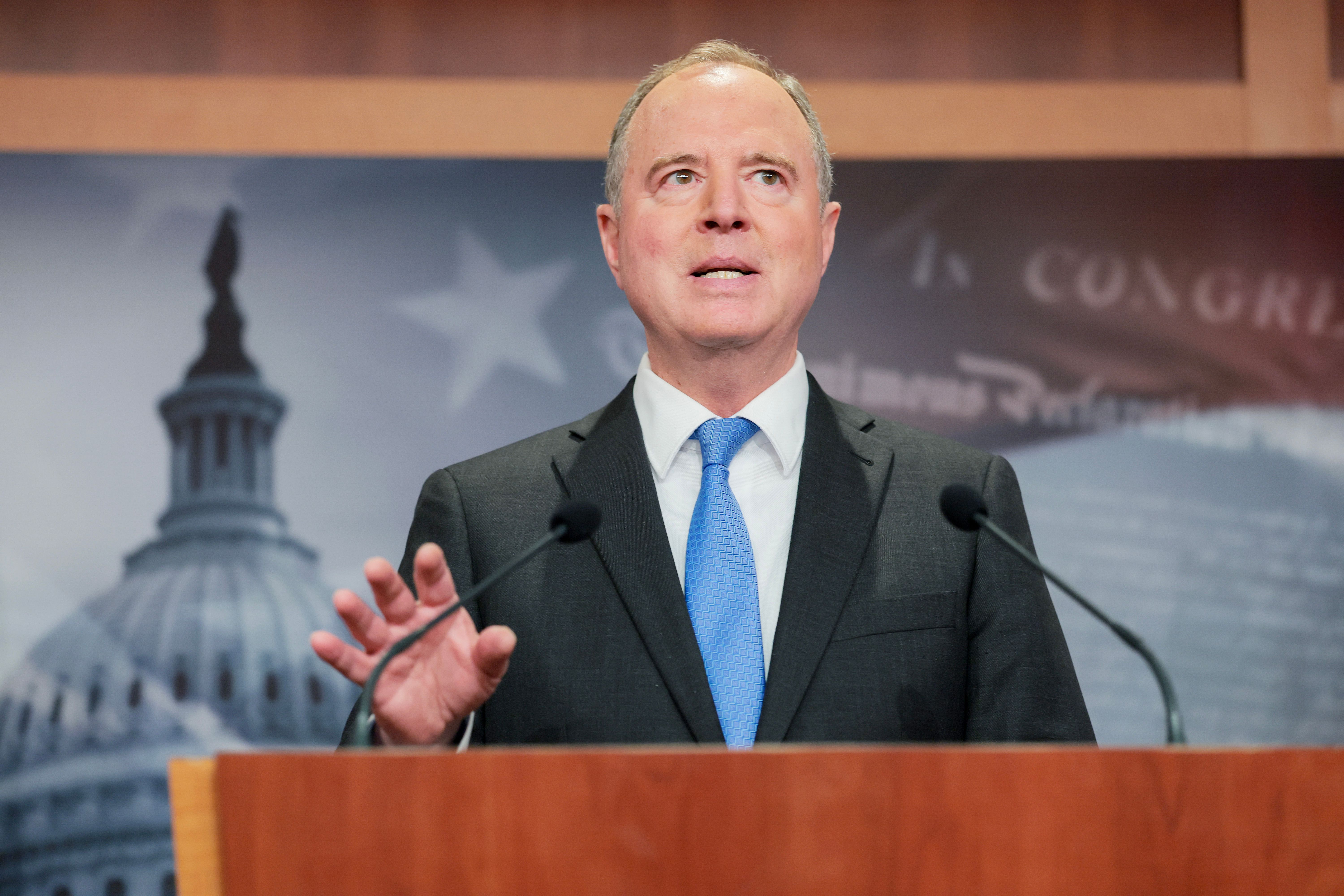
In March 2024, U.S. Senate Democrats urged the Commodity Futures Trading Commission (CFTC) to stop directing platforms such as Kalshi to ignore state bans on prediction markets. The Democrats cited existing court orders that limit the CFTC’s authority to override state gambling laws. This clash illustrates how federal agencies and state regulators can have conflicting views on whether a prediction market is a financial instrument or a form of gambling.
What it means for you
If you are looking to earn passive income by trading on future events, regulatory uncertainty can affect both the availability of platforms and the safety of your funds. A platform that operates in a legal gray area might be forced to shut down, leaving you unable to withdraw your holdings. Conversely, a fully compliant platform typically follows stricter security and consumer‑protection standards, reducing the risk of fraud or sudden closure.
Regulation also influences the types of events you can trade. Some jurisdictions prohibit markets on political outcomes or public health data, limiting the range of opportunities. Understanding which markets are allowed where you live helps you avoid accidental violations that could result in account bans or legal trouble.
What to check / how to judge
- Licensing and jurisdiction: Verify that the platform holds a license from a reputable regulator (e.g., CFTC, FCA) and that it explicitly states which states or countries it serves.
- Compliance with local laws: Check the platform’s terms for any restrictions on your residence. If a state bans prediction markets, a compliant platform will block users from that location.
- Liquidity and market depth: Look at the average daily volume and the spread between bid and ask prices. Higher liquidity means you can enter and exit positions without large price slippage.
- Security measures: Ensure the platform uses two‑factor authentication, encryption, and has a clear policy for handling funds in case of a breach.
- Transparency of settlement: The platform should disclose how it verifies outcomes (e.g., official election results, third‑party data feeds) and the timeline for payouts.
FAQ
Can I lose more than I invest?
In most binary prediction markets, the maximum loss is limited to the amount you paid for the contract. However, if you use margin or leverage, you could owe more than your initial stake.
Are prediction markets considered gambling?
The classification varies by jurisdiction. Some regulators treat them as financial derivatives, while others view them as gambling. This distinction determines which licenses a platform needs and which users are allowed.
How are payouts funded?
Payouts come from the pool of money paid by participants who bought the opposite outcome. The platform itself typically does not guarantee any profit; it merely facilitates the exchange of funds between traders.
Is there a tax impact?
Profits from prediction market trading are generally treated as capital gains or ordinary income, depending on your country’s tax code. Keep detailed records of each trade to report accurately.
This article references reporting from coindesk.com.