
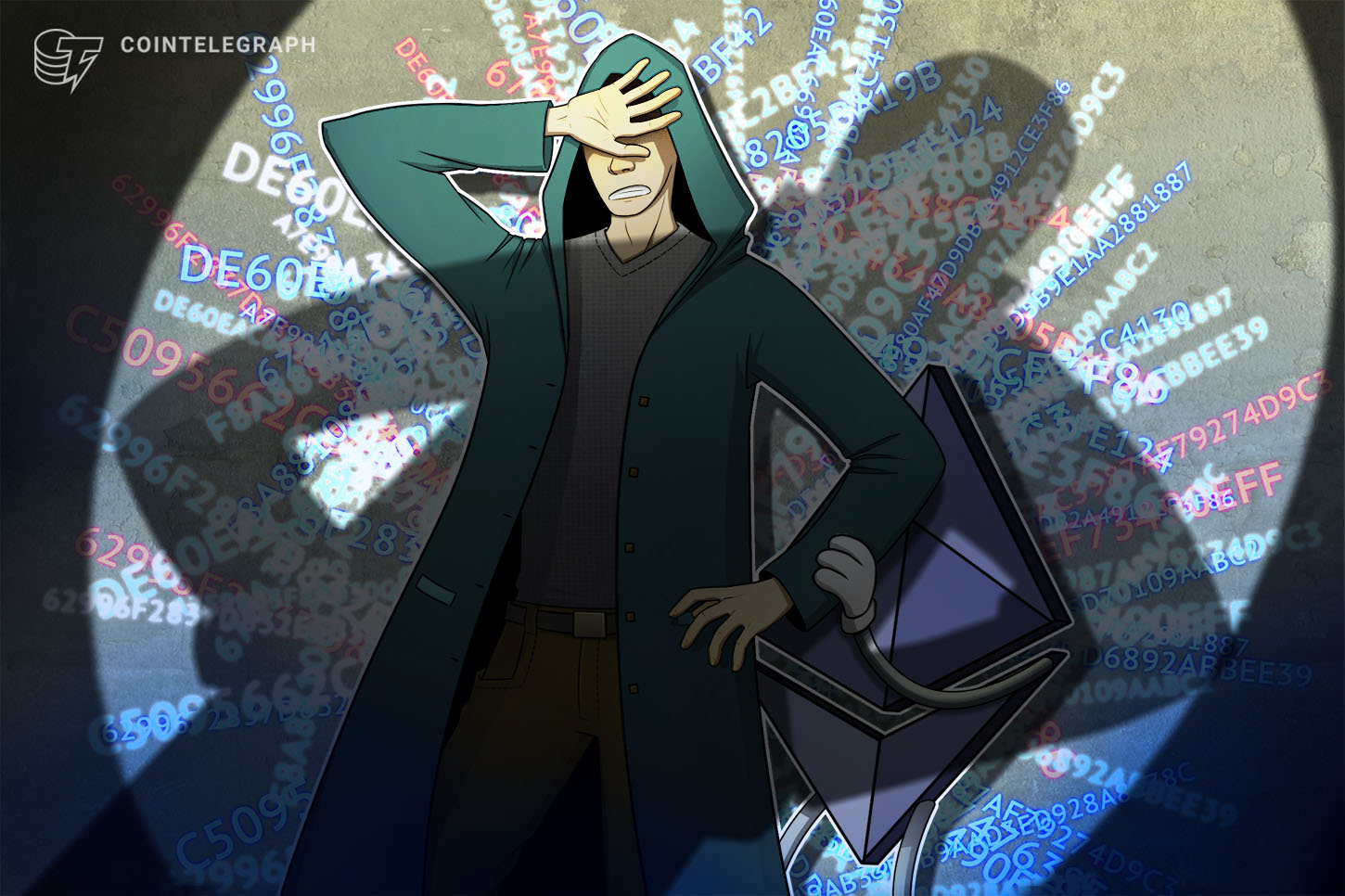
When you buy a hardware wallet, you expect the device to keep your crypto safe. But the security of your assets also depends on how well your personal information is protected during the purchase process. This article explains the risks linked to data breaches of shipping and marketing partners, and shows you how to safeguard your identity and crypto holdings.
What the risk really is
A hardware wallet is a physical device that stores the private keys needed to move cryptocurrency. The device itself is designed to be air‑gapped, meaning it never connects to the internet while holding those keys. However, buying the device involves sharing personal details—name, phone number, delivery address, and sometimes email—with third‑party services such as shipping companies or email marketing platforms.
If any of those third parties suffer a breach, attackers can obtain the personal data you provided. While the breach may not give them direct access to your wallet, it creates a profile that links you to crypto ownership. That link can be used for targeted phishing, social engineering, or even physical threats such as “wallet‑theft” scams that try to convince you to hand over your recovery seed.
Key terms to know:
- Private key: A secret number that proves ownership of a crypto address. Whoever holds the private key can move the funds.
- Recovery seed (or backup phrase): A list of 12‑24 words that can recreate the private keys. It must never be shared.
- Phishing: A fraudulent attempt to obtain sensitive information by pretending to be a trustworthy entity.
- Social engineering: Manipulating people into breaking security procedures, often by exploiting personal data.
Real‑world illustration
In November 2026, hardware‑wallet maker Trezor disclosed that an attacker accessed customer data held by its shipping provider Skladon. The breach exposed names, phone numbers, delivery addresses, email addresses and purchase details for roughly 27,000 orders placed between 9 August and 7 November. Earlier that year, two other partner breaches—one at shipping firm ShipMonk affecting about 13,700 customers, and another at marketing platform Brevo exposing 347,149 email addresses—showed how a single company’s supply chain can become a weak link.
What it means for you
If your personal data appears in a breach, attackers can craft messages that look like legitimate communications from the wallet manufacturer, the shipping company, or a crypto exchange. They may claim there is an issue with your order, ask you to verify your identity, or request your recovery seed. Because the attacker already knows you own a hardware wallet, the psychological pressure is higher, and the likelihood of a successful scam increases.
Beyond online scams, the exposure of a home address tied to crypto ownership can attract physical threats. Criminals may attempt “mail‑order” theft, posing as delivery personnel to steal the device, or they may try to coerce you into handing over the seed in person.
How to protect yourself
- Use anonymous delivery options when available. Some manufacturers now offer pickup points or locker services that let you receive the device without disclosing a home address. This reduces the link between your physical location and crypto ownership.
- Separate email addresses. Create a dedicated email solely for crypto‑related purchases and communications. Avoid using that address for unrelated services, which can increase exposure if a marketing list is breached.
- Verify all communications. Never trust unsolicited calls, texts, or emails that ask for order details, wallet backups, or personal information. Official support channels will not request your recovery seed.
- Enable two‑factor authentication (2FA). For any account linked to your crypto activity—exchange, wallet manufacturer portal, or shipping service—use 2FA to add an extra barrier against unauthorized access.
- Monitor your personal data. Services like credit‑monitoring or identity‑theft alerts can notify you if your information appears in new breaches, giving you time to react.
- Secure the physical device. Store the hardware wallet in a safe place, preferably a fire‑proof safe, and keep the recovery seed offline in a separate secure location.
What to check before you buy
- Partner transparency: Look for manufacturers that disclose their shipping and marketing partners and describe the security measures those partners use.
- Data‑minimisation policies: Companies that collect only the information necessary for delivery and avoid storing unnecessary personal data reduce breach impact.
- Anonymous pickup or locker services: If a vendor offers a way to receive the device without providing a home address, that is a strong privacy signal.
- Incident response history: Review how the company has handled past breaches. Prompt, clear communication and steps to mitigate risk are signs of a responsible provider.
FAQ
Q: If my personal data was leaked, does that mean my crypto is stolen?
A: Not directly. The leak does not give attackers your private keys or recovery seed. However, it makes you a more attractive target for phishing and social‑engineering attacks that could lead to loss of funds.
Q: Should I change my wallet’s recovery seed after a breach?
A: Changing the seed does not help because the seed is never stored by the vendor or its partners. The seed is only on the device and in your personal backup. Focus on protecting the seed from being exposed.
Q: Are hardware wallets still safe if the company’s supply chain is compromised?
A: Yes, the device’s cryptographic security remains intact. The risk lies in the personal data that can be used to trick you. Follow the protective steps above to mitigate that risk.
Q: Can I use a PO box instead of my home address?
A: A PO box can reduce the link between your residence and crypto ownership, but some carriers may still require a physical address for customs or verification. Check the vendor’s shipping policies for alternatives.
This article references reporting from cointelegraph.com.





