
Are you curious about how traditional assets can become digital tokens and what it means when a central bank gets involved? This article explains tokenization, the technology behind it, and the practical impact of a central bank providing trusted infrastructure.
What tokenization actually is
Tokenization is the process of creating a digital representation—called a token—of a real‑world asset on a blockchain or other distributed ledger. The asset can be anything with value: a piece of real estate, a stock, a commodity, or even a work of art. Once tokenized, the asset is divided into smaller units that can be transferred, traded, or used as collateral just like a cryptocurrency.
Key terms:
- Asset-backed token: a digital token whose value is directly linked to a physical or financial asset.
- Smart contract: self‑executing code on a blockchain that enforces the rules of the token, such as ownership transfer or dividend distribution.
- Distributed ledger: a decentralized database that records transactions across many computers, providing transparency and immutability.
Tokenization works in three steps. First, the asset is verified and a legal claim is attached to it. Second, a smart contract creates the digital token and defines its rights. Third, the token is issued on a blockchain, where it can be bought, sold, or used in decentralized applications.
Why tokenization matters
Tokenization can lower barriers to entry, increase liquidity, and reduce transaction costs. For example, a $1 million property can be split into 10,000 tokens worth $100 each, allowing investors to buy a fraction of the property instead of needing the full amount. Because tokens are recorded on a transparent ledger, ownership histories are easier to audit, and settlement can happen in minutes rather than days.
Real‑world illustration
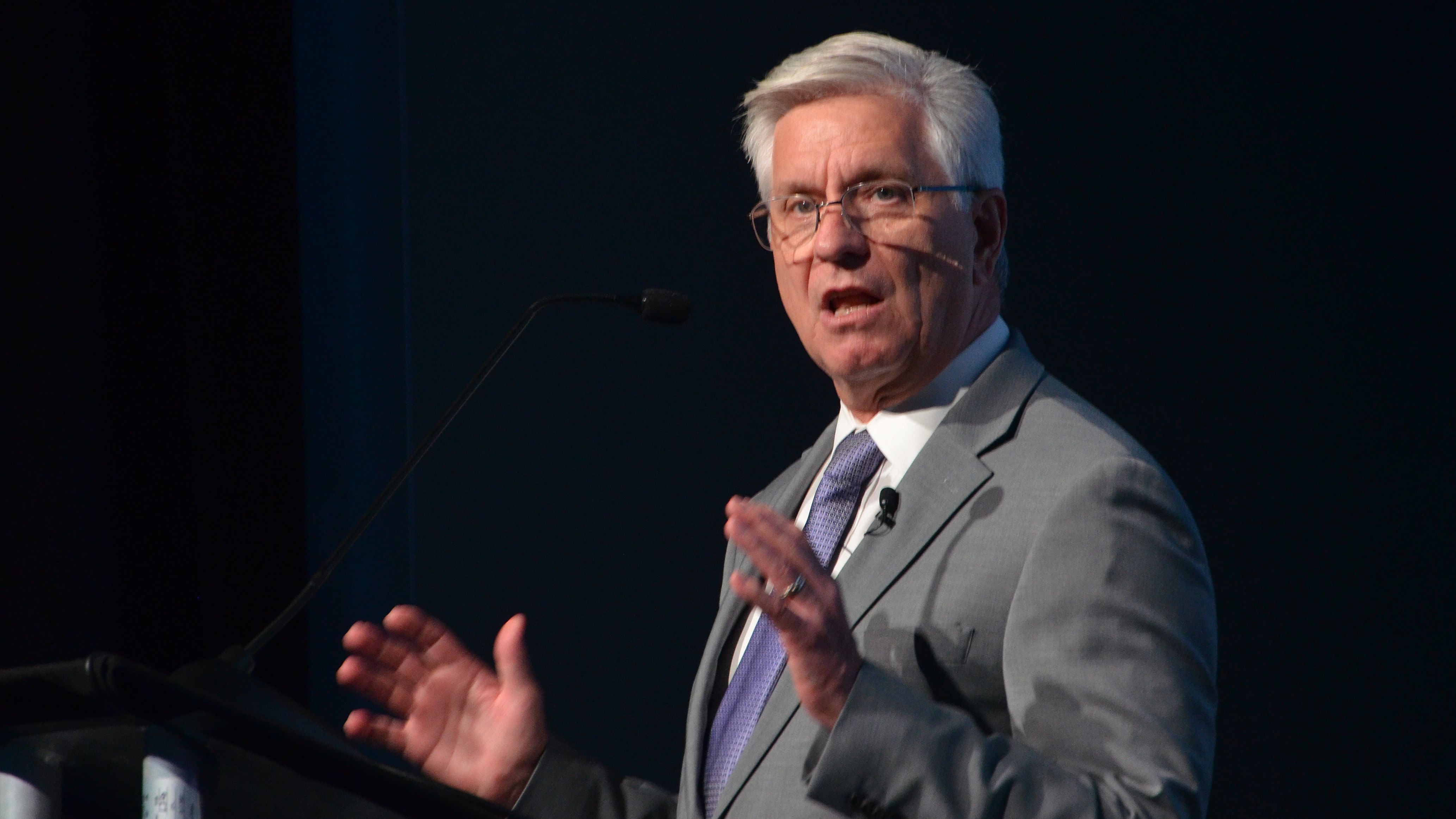
In March 2026, Federal Reserve Governor Christopher Waller suggested that the U.S. central bank could provide “trusted rails” for emerging innovations tied to tokenized assets and agentic AI. By “trusted rails,” he meant a reliable, regulated infrastructure—such as a settlement network or digital identity system—run or overseen by the Fed. This proposal highlights a growing interest from policymakers in supporting the token economy while ensuring consumer protection and financial stability.
What this means for you
If a central bank offers a secure, regulated layer for token transactions, you gain several practical benefits:
- Reduced counterparty risk: Transactions settle on a system backed by the central bank’s credibility, lowering the chance of fraud or default.
- Clear legal framework: A Fed‑backed infrastructure would likely come with clear rules about ownership, taxation, and dispute resolution.
- Easier access to traditional assets: Tokens representing stocks, bonds, or real estate could be bought and sold with the same ease as cryptocurrencies, opening new passive‑income opportunities.
However, participation still involves risk. Token prices can be volatile, and regulatory environments may change. Always consider the underlying asset’s fundamentals and the platform’s security before investing.
How to evaluate token projects and infrastructure
- Legal backing: Verify that the token is linked to a legally enforceable claim on the underlying asset.
- Smart contract audit: Look for independent security audits that confirm the code works as intended and has no known vulnerabilities.
- Regulatory compliance: Check whether the platform complies with relevant securities, anti‑money‑laundering (AML), and know‑your‑customer (KYC) regulations.
- Liquidity sources: Assess where buyers and sellers come from—exchanges, institutional partners, or a central‑bank‑run network.
- Custody solutions: Ensure that the token can be stored safely, either in a non‑custodial wallet you control or through a reputable custodial service.
FAQ
Is a tokenized asset the same as a cryptocurrency?
No. A cryptocurrency like Bitcoin is native to its own network and typically has no claim on a physical asset. A tokenized asset is a digital representation of something that already exists in the real world, such as a share of a company or a piece of real estate.
Do I need a special account to use a central‑bank‑backed token network?
Usually, you would need a digital wallet that can interact with the specific blockchain or ledger the central bank supports. The Fed might also require identity verification similar to traditional bank accounts.
What risks remain even with a trusted rail?
Market risk, regulatory changes, and technology risk (e.g., bugs in smart contracts) still apply. A trusted rail reduces counterparty risk but does not eliminate price volatility or the possibility of a token’s underlying asset losing value.
Can I earn passive income from tokenized assets?
Yes, many tokenized assets distribute dividends, rental income, or interest automatically via smart contracts. The amount you earn depends on the performance of the underlying asset and the terms encoded in the token.
This article references reporting from coindesk.com.





