
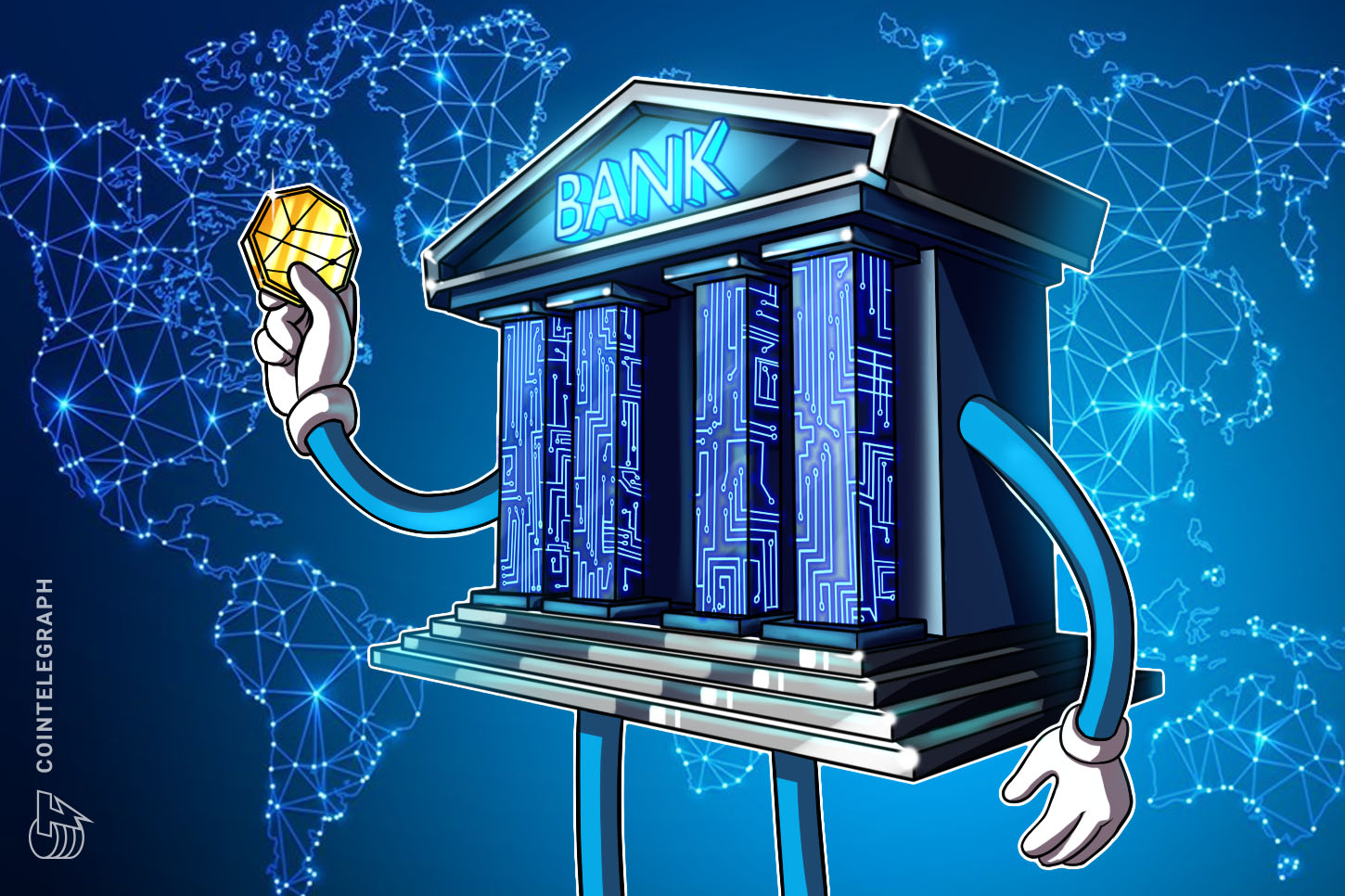
Are you curious whether digital dollars can make international money transfers cheaper and faster? This article explains what stablecoins are, how they function in cross‑border payments, and what you should consider before using them.
What a Stablecoin Is and How It Works
A stablecoin is a type of cryptocurrency designed to keep its price stable, usually by being pegged to a fiat currency such as the U.S. dollar. The most common method is full‑reserve backing, where every token issued is matched by an equivalent amount of the underlying fiat held in a bank account. Because the value does not swing wildly like Bitcoin or Ethereum, stablecoins can be used for everyday transactions while still benefiting from blockchain’s speed and transparency.
When you send a stablecoin, the transaction is recorded on a public ledger (often Ethereum, Solana, or another smart‑contract platform). The ledger verifies that the sender owns the tokens and updates the balances of both parties almost instantly, typically within seconds. Unlike traditional wire transfers, which may take days and involve multiple correspondent banks, a blockchain transaction requires only the network’s validators to confirm the move.
To turn a stablecoin back into local cash, the recipient uses a gateway—a service that exchanges the digital token for fiat currency. This step can involve a small fee and may be subject to local regulations.
Real‑World Example: World Bank, Circle, and Citi
In November 2026, the World Bank announced a partnership with Circle and Citi to explore using Circle’s USDC stablecoin for payments to borrowing countries. The plan is to integrate USDC into the bank’s existing banking network, allowing funds to move more quickly and at lower cost. Circle would provide the tools for issuing and transferring USDC, while Citi would connect the stablecoin flow to traditional banking channels. The pilot will start with countries that already permit digital assets.
What It Means for You
If you are looking to earn or move money across borders, stablecoins offer three practical advantages:
- Speed: Transactions settle in minutes rather than days.
- Cost: Fees are generally lower than those charged by correspondent banks or remittance services.
- Transparency: Every transfer is recorded on a public ledger, making it easier to trace the flow of funds.
These benefits can be especially valuable for freelancers, small businesses, or NGOs that need to send or receive payments internationally without waiting for a lengthy banking process.
What to Check Before Using Stablecoins
- Backing and Audits: Verify that the stablecoin issuer holds full reserves and publishes regular audit reports.
- Regulatory Environment: Ensure the destination country permits stablecoin transactions and that you understand any tax obligations.
- Conversion Costs: Compare the fee and exchange rate offered by different gateways for turning the stablecoin into local currency.
- Network Fees: Consider the blockchain’s transaction (gas) fees, which can vary with network congestion.
- Security Practices: Use reputable wallets and enable two‑factor authentication to protect your private keys.
FAQ
Can stablecoins replace traditional bank transfers?
They can be a faster, cheaper alternative for many use cases, but they still rely on gateways to convert to fiat, and not all jurisdictions accept them yet.
Are stablecoins safe from price volatility?
When fully backed by fiat reserves, the price stays close to $1. However, if the issuer’s reserves are insufficient or the peg mechanism fails, the value could deviate.
Do I need a special wallet to hold stablecoins?
Any wallet that supports the blockchain the stablecoin runs on (e.g., an Ethereum‑compatible wallet for USDC) will work. Choose a wallet with strong security features.
What fees should I expect?
Typical costs include a small issuance or transfer fee from the stablecoin provider, blockchain network fees, and a conversion fee when exchanging to local currency.
This article references reporting from cointelegraph.com.





