
Do you wonder why a government would require crypto exchanges to register and how that could affect your ability to trade? This article explains the purpose of exchange registries, the mechanics behind them, and what the risk of international sanctions means for everyday traders.
The plain explanation
A crypto exchange registry is a list maintained by a regulator that identifies which platforms are authorized to offer cryptocurrency services. Registration usually requires the exchange to meet certain standards, such as anti‑money‑laundering (AML) procedures, know‑your‑customer (KYC) checks, and capital requirements. In return, the exchange gains legal recognition and can operate under the jurisdiction’s financial rules.
Registries serve several purposes. First, they give regulators a way to monitor activity and enforce compliance, similar to how traditional banks are overseen. Second, they provide users with a reference point for choosing platforms that meet basic safety standards. Finally, registries help authorities trace illicit flows because registered entities must keep records that can be inspected.
When an exchange signs up, it typically submits documentation proving its ownership structure, security controls, and policies for handling customer funds. The regulator reviews this information and, if satisfied, adds the exchange to the public or private list. Some jurisdictions keep the list open to anyone, while others keep it confidential to protect business interests.
International sanctions are restrictions imposed by one country or a group of countries (such as the European Union) on individuals, companies, or entire sectors of another country. Sanctions can block access to the global financial system, freeze assets, or prohibit trade. When a crypto exchange appears on a sanctioned list, it can no longer process transactions involving the sanctioning jurisdictions, and its customers may lose access to their funds.
A real example
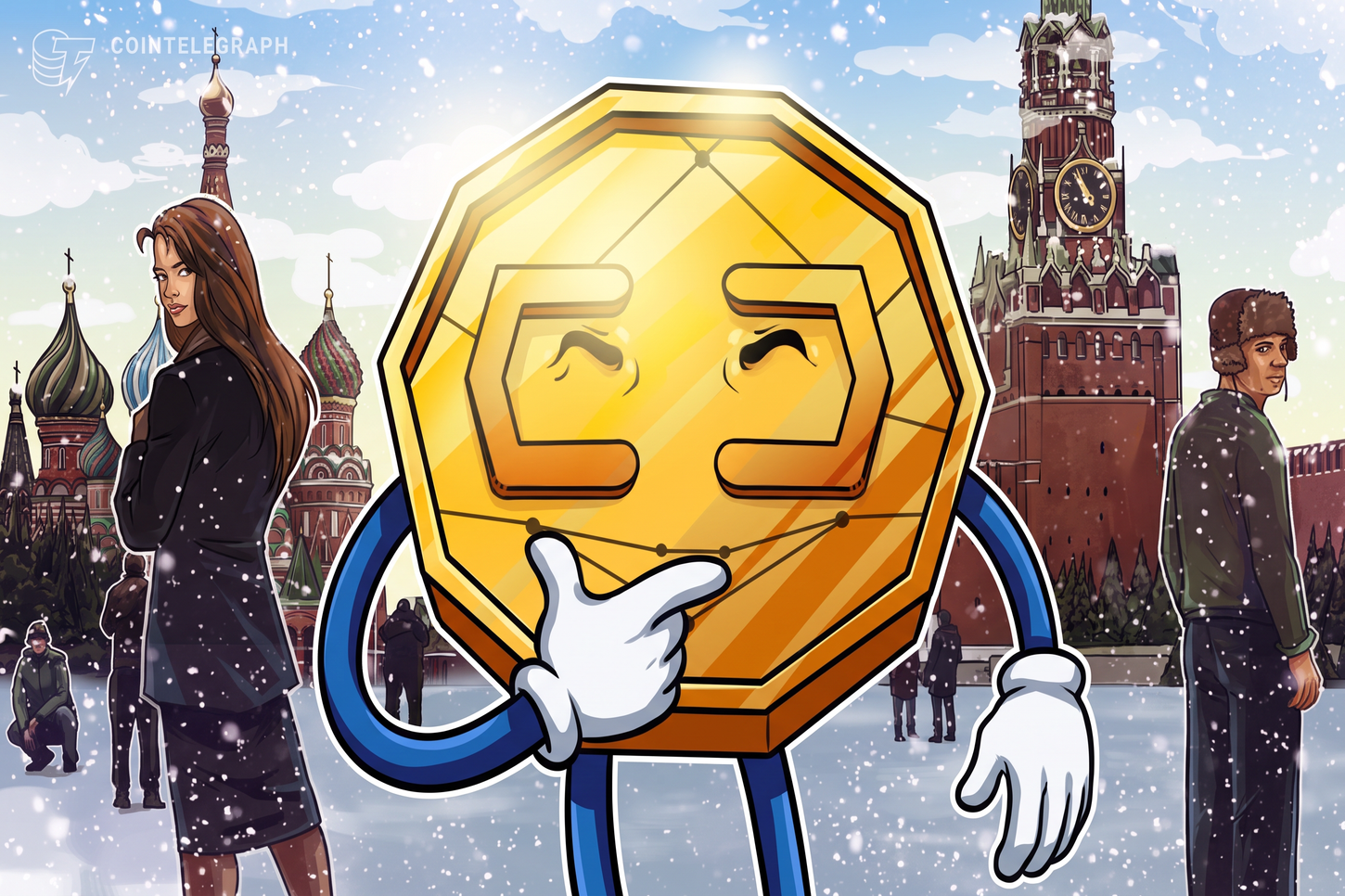
In November 2026, Russia’s central bank announced a public registry of crypto exchangers as part of a broader effort to bring cryptocurrency trading under government oversight. By that time, the list contained 30 authorized operators, including major banks such as Sberbank and VTB. However, the launch of regulated retail trading was delayed because many companies feared that being listed could expose them to upcoming European Union sanctions. The EU was preparing its 22nd sanctions package, which was expected to target crypto platforms operating in Russia. As a result, several exchanges hesitated to complete the registration, and the Moscow Exchange’s planned crypto trading start on December 1 remained uncertain.
What it means for you
If you trade on a platform that is registered in a jurisdiction with potential sanctions, you could face a few practical issues:
- Access interruptions: The exchange might be forced to block deposits or withdrawals for users in sanctioned countries, leaving you unable to move funds.
- Asset freezing: Funds held on a sanctioned exchange could be frozen by authorities, making them temporarily unavailable.
- Reduced liquidity: Sanctions can cause other traders to avoid the platform, leading to wider spreads and slower order execution.
- Compliance costs: Exchanges may raise fees to cover the expense of enhanced AML/KYC procedures required to stay off sanctions lists.
These risks are not limited to Russia; any exchange operating in a country that faces international sanctions could be affected. For traders seeking consistent access, it is important to diversify across platforms and stay informed about regulatory developments.
What to check / how to judge
- Registry status: Verify whether the exchange is listed in an official regulator’s registry and whether that list is public or private.
- Sanctions screening: Look for statements on the exchange’s website about compliance with international sanctions regimes.
- Geographic coverage: Ensure the platform supports users from your country and that it has not been barred by recent sanctions.
- Liquidity and volume: Exchanges that maintain strong trading volumes are less likely to be severely impacted by temporary restrictions.
- Transparency of policies: Favor platforms that publish clear AML/KYC procedures and provide regular updates on regulatory changes.
FAQ
Why do some regulators keep the exchange registry private?
Privacy can protect businesses from competitive disadvantages and reduce the risk of targeted attacks. However, it also limits public visibility, so users must rely on the regulator’s assurances that only compliant operators are listed.
Can I still trade on a non‑registered exchange safely?
Non‑registered exchanges may operate without oversight, which can increase risks of fraud, poor security, and regulatory crackdowns. While some unregistered platforms function well, they lack the consumer protections that registries provide.
What should I do if an exchange I use gets sanctioned?
Immediately withdraw any available funds to a wallet you control, and consider moving to an alternative platform that is not subject to the sanctions. Keep an eye on official announcements from the exchange and relevant authorities for guidance.
Do sanctions affect only the exchange, or also the cryptocurrencies themselves?
Sanctions typically target the legal entities providing services. The underlying cryptocurrencies remain decentralized, but access to trading, conversion, or withdrawal services can be restricted if the exchange is sanctioned.
This article references reporting from cointelegraph.com.





