
Ever wonder how banks can spot illegal crypto activity before it harms you? This article explains how artificial intelligence (AI) is used by financial institutions to detect suspicious crypto transactions, what the technology looks for, and what it means for anyone trying to earn online.
The plain explanation
AI in banking is a set of computer algorithms that learn to recognize patterns in large volumes of transaction data. When a bank receives a transfer, the AI compares the details—such as amount, destination address, timing, and the customer’s history—to models of normal behavior. If something deviates enough from the norm, the system flags the transaction for further review.
Key terms:
- Machine learning: A subset of AI where computers improve their predictions by analyzing examples. In this context, models are trained on known illicit and legitimate crypto transfers.
- False positive: A legitimate transaction that is incorrectly flagged as suspicious. Too many false positives can slow down legitimate users.
- False negative: A truly illicit transaction that the AI fails to flag, allowing the crime to continue.
- Know‑Your‑Customer (KYC): The process banks use to verify the identity of their clients. AI often works alongside KYC data to assess risk.
When a transaction involves crypto, the AI must also interpret blockchain data. Blockchains are public ledgers where every address and transfer is visible, but the identities behind those addresses are hidden. AI tools map addresses to known risk categories—such as mixers, darknet markets, or sanctioned entities—by cross‑referencing public blockchain analytics, sanction lists, and previous case studies.
Because crypto moves quickly and can cross borders in seconds, banks need real‑time or near‑real‑time analysis. Traditional rule‑based systems (e.g., “flag any transfer over $10,000”) are too blunt. AI can weigh many variables simultaneously, making it possible to spot subtle patterns like a series of small transfers that together form a larger illicit flow.
A real example
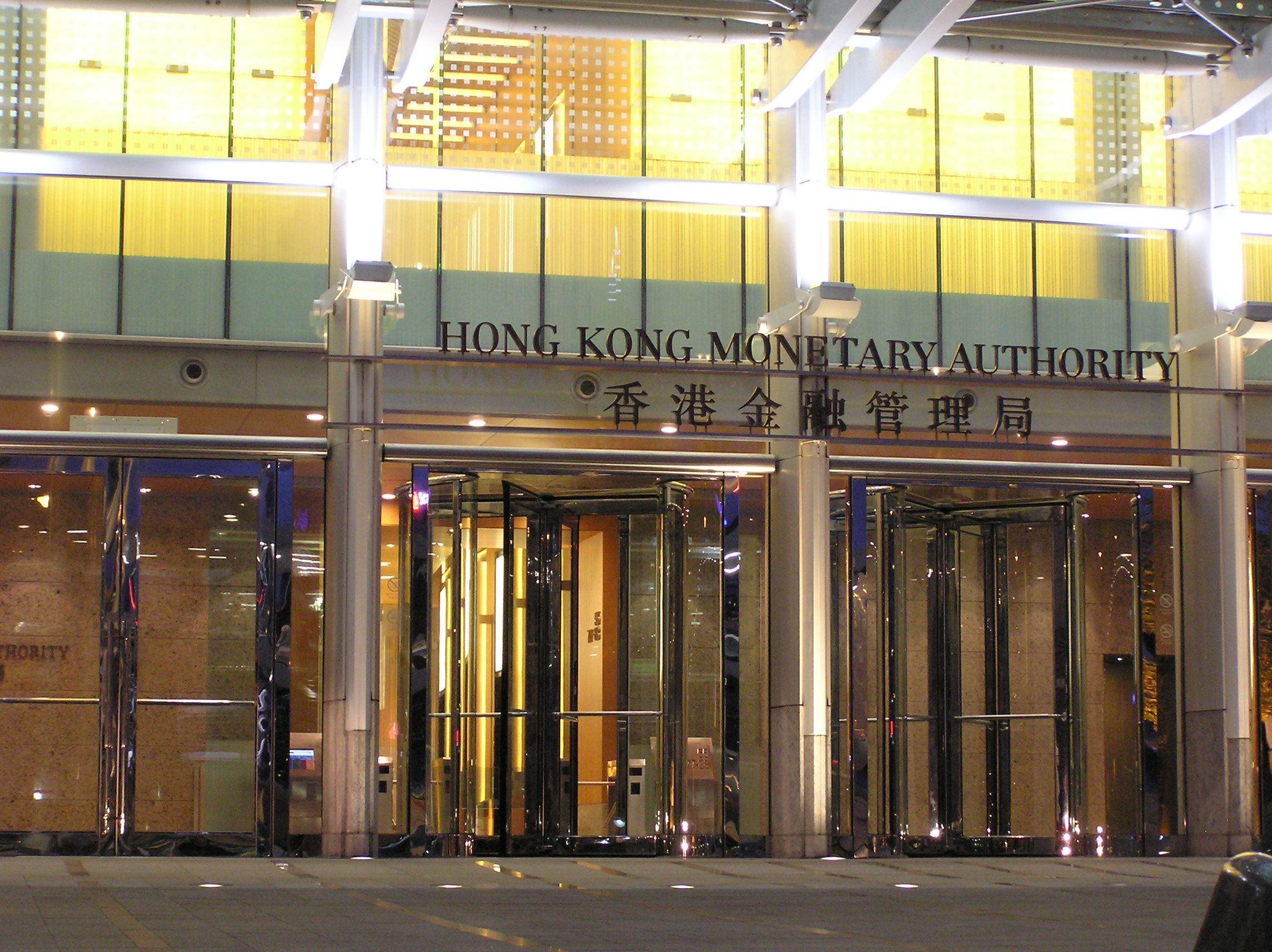
In March 2026, Hong Kong’s financial regulator announced that local banks should adopt AI tools to detect crypto‑related crime before the money disappears. The directive emphasized that the technology must identify suspicious transfers while ensuring customer funds remain safe. This move illustrates how regulators are pushing AI from a pilot phase into mainstream compliance.
What it means for you
If you use a bank to move crypto proceeds—whether from mining rewards, staking income, or cloud‑mining payouts—your transfers may be screened by AI. A legitimate transaction that looks unusual (for example, a sudden large deposit from a new crypto wallet) could be temporarily held for review. This is a protective measure, not a penalty.
On the upside, AI‑driven monitoring helps keep the overall ecosystem cleaner. By catching fraud, money‑laundering, and terrorist‑financing attempts early, banks reduce the risk that criminal activity will taint legitimate crypto businesses. A safer environment can lead to more stable access to banking services for crypto earners.
What to check / how to judge
- Know your bank’s AML (anti‑money‑laundering) policy and whether it mentions AI or blockchain analytics.
- Maintain up‑to‑date KYC documentation; accurate information reduces the chance of false positives.
- When receiving large crypto payouts, consider using a dedicated crypto‑friendly wallet or a service that provides transparent transaction records to simplify the AI’s assessment.
- Monitor your bank’s communications. If a transfer is flagged, banks usually provide a reason and a way to resolve the issue quickly.
FAQ
Will AI flag all crypto transactions?
No. AI focuses on transactions that deviate from your usual behavior or match known risk patterns. Regular, well‑documented transfers are less likely to be flagged.
Can I appeal a flagged transaction?
Yes. Banks typically have a compliance team that reviews flagged cases. Providing proof of the transaction’s legitimacy—such as invoices, mining payout statements, or exchange receipts—helps resolve the issue.
Does AI replace human reviewers?
AI acts as a first line of defense, automatically scanning millions of transactions. Human analysts still review flagged cases to make final decisions, especially for complex or borderline situations.
Is my privacy at risk when banks use AI?
AI systems operate on data the bank already collects for regulatory compliance. They do not add new surveillance, but you should ensure the bank follows data‑protection regulations and that you understand how your information is used.
This article references reporting from coindesk.com.





