
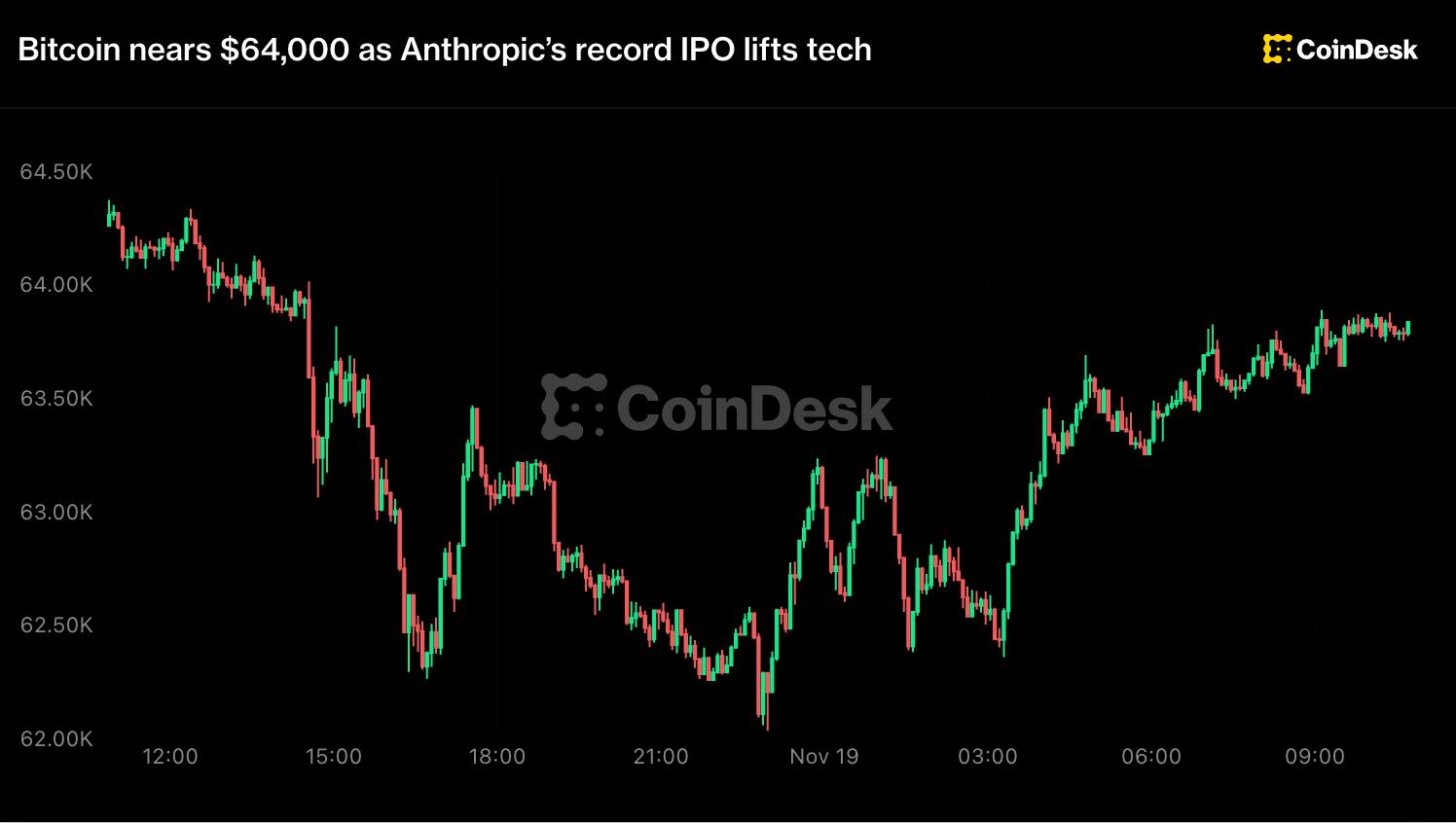
Are you wondering why Bitcoin’s price swings so dramatically and how those moves affect your ability to earn crypto online? This article breaks down the key factors that drive Bitcoin’s market price and explains what those changes mean for miners, stakers, and anyone looking for passive income.
What determines Bitcoin’s price?
Bitcoin, like any asset, is priced by supply and demand in the open market. When more people want to buy than sell, the price rises; when more want to sell than buy, it falls. Several specific forces shape that balance:
- Market sentiment. News, social media buzz, and macro‑economic events can shift public opinion quickly. Positive sentiment—such as a major tech IPO or a favorable regulatory announcement—often triggers buying pressure.
- Liquidity and trading volume. High trading volume on major exchanges makes it easier for large orders to be filled without moving the price dramatically. Low volume can cause even modest trades to create big price jumps.
- Institutional participation. When hedge funds, publicly traded companies, or large investors allocate capital to Bitcoin, they bring substantial buying power that can push the price upward.
- Supply dynamics. Bitcoin’s total supply is capped at 21 million coins, and new coins enter circulation only through mining rewards. Halving events, which cut the block reward roughly every four years, reduce the rate of new supply and can create upward pressure if demand stays steady.
- Macro‑economic factors. Inflation rates, interest‑rate policies, and currency devaluations influence how investors view Bitcoin as a store of value or hedge.
Each factor can act alone or combine with others, creating the complex price patterns that traders observe.
Real‑world illustration
In March 2026, Nasdaq futures surged nearly 2 % after the artificial‑intelligence company Anthropic announced a record‑breaking IPO. Shares were reported to be up as much as 24 % on the first day. One analyst suggested that the influx of IPO capital could flow back into crypto markets. This optimism contributed to Bitcoin approaching the $64,000 level, showing how a single non‑crypto event can ripple through sentiment and boost demand for Bitcoin.
What it means for you
If you earn crypto through mining, staking, or cloud‑based rewards, Bitcoin’s price directly impacts the value of your earnings. When the price climbs, the fiat value of the coins you receive rises, increasing your effective passive income. Conversely, a price drop reduces that value, even if the amount of Bitcoin you earn stays the same.
Understanding price drivers helps you plan for volatility. For example, if you expect a wave of institutional money to enter the market, you might allocate a larger portion of your earnings to Bitcoin now, anticipating higher future value. If you anticipate a regulatory crackdown, you might diversify into other assets to protect your income.
What to check before you earn
- Monitor news sources for macro‑economic events and major tech or financial announcements that could shift sentiment.
- Look at trading volume on the exchanges you use; higher volume generally means smoother price movements.
- Track institutional activity—large purchases reported by blockchain analytics firms often precede price rallies.
- Review Bitcoin’s supply schedule, especially upcoming halving events, to gauge long‑term scarcity effects.
- Consider diversifying your earnings across multiple cryptocurrencies to reduce reliance on a single price trajectory.
FAQ
Why does Bitcoin sometimes rise even when there’s no crypto‑specific news?
Broad market sentiment can be influenced by unrelated events, such as a major tech IPO or a change in interest‑rate policy. When investors feel more confident about risk assets, they often allocate money to Bitcoin, pushing the price up.
Can I protect my earnings from price drops?
One common strategy is to convert a portion of earned Bitcoin into stablecoins or fiat soon after receipt, locking in current value. Another is to spread earnings across several assets, so a decline in one does not wipe out all income.
How often do Bitcoin’s supply changes affect price?
The most noticeable supply change is the “halving,” which occurs roughly every four years and cuts the block reward in half. Historically, halving events have been followed by periods of price appreciation, though the effect can be delayed.
Is high trading volume always a good sign?
High volume usually indicates a healthy market where large orders can be filled without extreme price swings. However, volume spikes can also accompany panic selling, so it’s important to assess the context.
This article references reporting from coindesk.com.




