
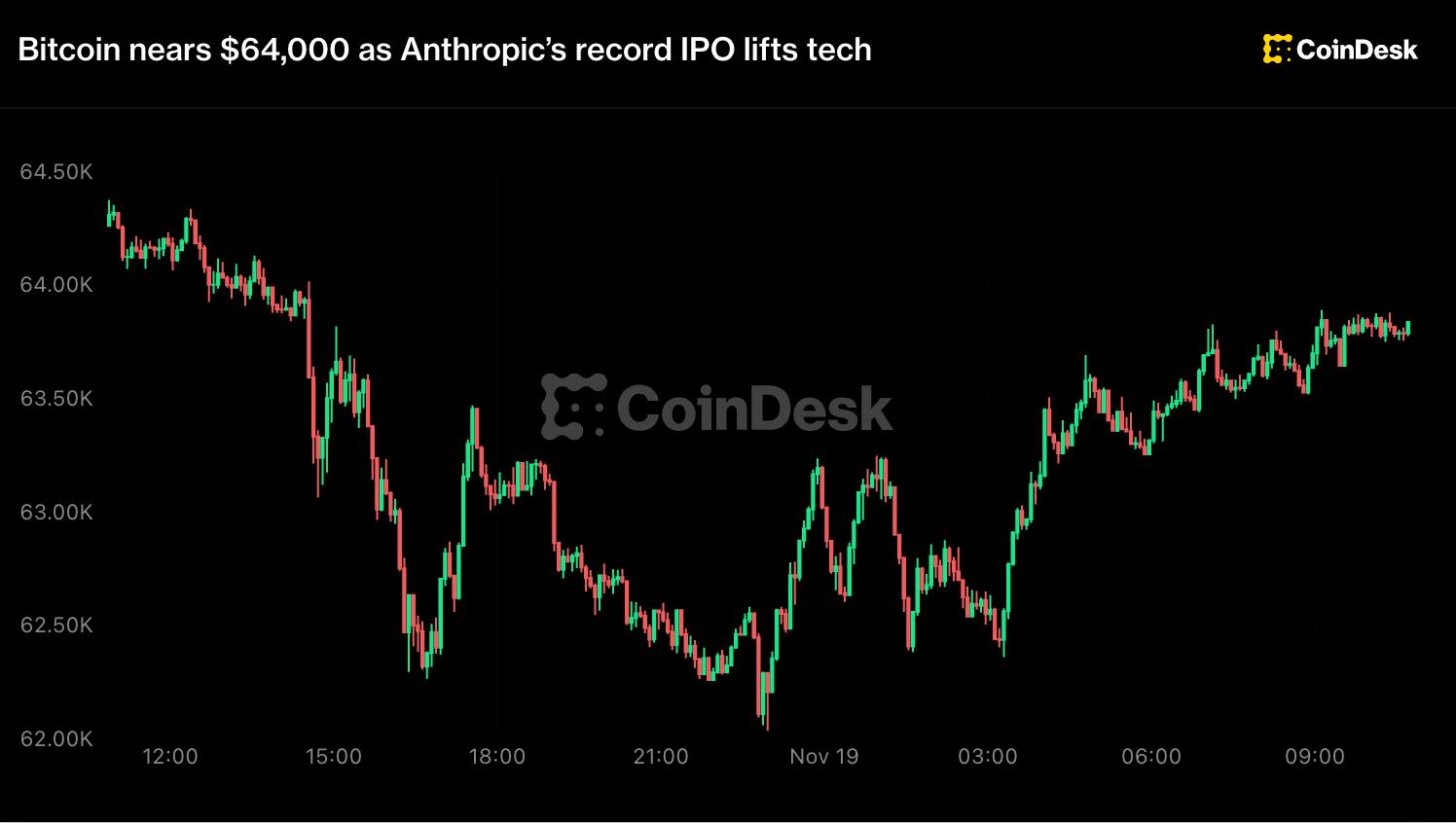
Are you curious about why money moves in and out of Bitcoin exchange‑traded funds (ETFs) and how those flows affect your ability to earn from crypto? This article explains what Bitcoin ETFs are, how inflows and outflows happen, and what the recent $300 million outflow tells beginners about market sentiment.
What a Bitcoin ETF Actually Is
An exchange‑traded fund (ETF) is a pooled investment vehicle that trades on a traditional stock exchange, just like a stock. A Bitcoin ETF holds Bitcoin—or Bitcoin‑related futures contracts—on behalf of investors, allowing them to gain exposure to the cryptocurrency without owning the digital asset directly. Because the ETF is listed on a regulated exchange, investors can buy or sell shares through ordinary brokerage accounts, avoiding the need for a crypto wallet, private keys, or dealing with a cryptocurrency exchange.
Key terms to know:
- Inflows: Money that investors add to the ETF, usually by buying new shares. This often signals confidence in the underlying asset.
- Outflows: Money that investors withdraw, typically by selling shares. Large outflows can indicate fear, profit‑taking, or a shift to other investments.
- Net asset value (NAV): The total value of the ETF’s holdings divided by the number of shares outstanding. NAV helps gauge whether the ETF is trading at a premium (above NAV) or discount (below NAV).
How Money Moves In and Out
When an investor purchases a Bitcoin ETF share, the fund manager either creates new shares or uses existing ones to meet demand. The manager then either buys more Bitcoin (or Bitcoin futures) to keep the fund’s holdings aligned with its size, or reallocates existing holdings. Conversely, when shares are sold, the manager may redeem them, selling a portion of the underlying Bitcoin to return cash to the investor.
Because the ETF is regulated, the creation and redemption process must follow strict rules set by the fund’s sponsor and the exchange. This structure keeps the ETF’s price closely linked to the price of Bitcoin, though short‑term discrepancies can appear due to market demand for the ETF shares themselves.
Real‑World Illustration
On a Wednesday in March 2026, Bitcoin ETFs experienced more than $300 million in outflows. Investors collectively sold that amount of ETF shares, pulling cash out of the funds. At the same time, market attention shifted toward Anthrophic’s planned $100 billion initial public offering (IPO), a separate event that can draw capital away from crypto‑related products.
What This Means for You
If you are using Bitcoin ETFs as a way to earn passive income—through dividend‑style distributions, price appreciation, or a strategy that involves holding the ETF while the underlying Bitcoin rises—large outflows can affect you in several ways:
- Price impact: Heavy selling pressure can push the ETF’s share price below its NAV, creating a discount. While a discount might look attractive, it can also signal broader market pessimism.
- Liquidity: Outflows reduce the amount of cash the fund holds, potentially making it harder to redeem shares quickly without affecting the price.
- Reward timing: Some ETFs distribute earnings from Bitcoin futures or staking activities. If the fund’s assets shrink, future distributions may be lower.
Understanding these dynamics helps you decide whether to hold, add to, or exit a Bitcoin ETF position based on your earnings goals and risk tolerance.
How to Evaluate a Bitcoin ETF Before You Invest
- Check the fund’s structure: Does it hold physical Bitcoin, futures contracts, or a mix? Physical holdings tend to track spot prices more closely, while futures can introduce roll‑over costs.
- Look at expense ratios: These are the annual fees the fund charges. Lower fees mean more of your earnings stay in your pocket.
- Monitor NAV versus market price: A persistent discount may indicate market doubts, while a premium can suggest strong demand but also higher price volatility.
- Assess liquidity: Higher daily trading volume means you can buy or sell shares with less slippage.
- Review distribution policies: Some ETFs pay out earnings from staking or futures; others reinvest. Choose the model that matches your income strategy.
FAQ
Why do Bitcoin ETFs sometimes trade at a discount to their NAV?
A discount occurs when investors are selling ETF shares faster than the fund can sell its underlying Bitcoin, often due to market fear or a shift to other assets. The fund’s price reflects supply and demand for the shares, not just the value of the Bitcoin it holds.
Can I earn passive income from a Bitcoin ETF?
Some ETFs generate income from Bitcoin futures or staking rewards and distribute it to shareholders. However, the amount varies, and fees can reduce net earnings. Always read the fund’s prospectus for its specific payout policy.
Is a Bitcoin ETF safer than buying Bitcoin directly?
Safety is relative. An ETF removes the need to manage private keys and reduces the risk of hacks on personal wallets, but it introduces counterparty risk—the fund manager could make mistakes or face regulatory issues. Direct ownership gives you full control but requires secure storage practices.
Do large outflows always mean Bitcoin’s price will fall?
Not necessarily. Outflows reflect investor sentiment toward the ETF, not the underlying Bitcoin price directly. Bitcoin can rise even as ETF shares are sold, especially if the outflow is driven by capital moving to other opportunities, such as a major IPO.
This article references reporting from coindesk.com.




