
Do you wonder how a traditional asset like a stock or a piece of real estate can become a digital token, and what the U.S. Securities and Exchange Commission (SEC) has to say about it? This article explains the basics of tokenization, how the SEC creates rules for it, and what you should consider before getting involved.
The plain explanation
Tokenization is the process of creating a digital representation—called a token—of a real‑world asset on a blockchain. The asset could be anything from a share of a private company to a mortgage, a fine‑art painting, or even a future revenue stream. Once an asset is tokenized, the token can be transferred, traded, or stored just like a cryptocurrency, but it carries a claim to the underlying asset.
Key terms you’ll encounter:
- Blockchain: A decentralized ledger that records transactions in immutable blocks.
- Smart contract: Self‑executing code on a blockchain that enforces the rules of a token, such as who can transfer it and under what conditions.
- Security token: A token that represents ownership or a financial interest in an asset and therefore falls under securities law.
- Utility token: A token that provides access to a product or service and is generally not considered a security.
The SEC’s role is to determine whether a token is a security. If it is, the token must comply with the same registration, disclosure, and investor‑protection requirements that apply to traditional securities. The SEC can issue formal rules—a detailed, binding set of requirements—or it can provide guidance, which is less formal but still influential.
A real example
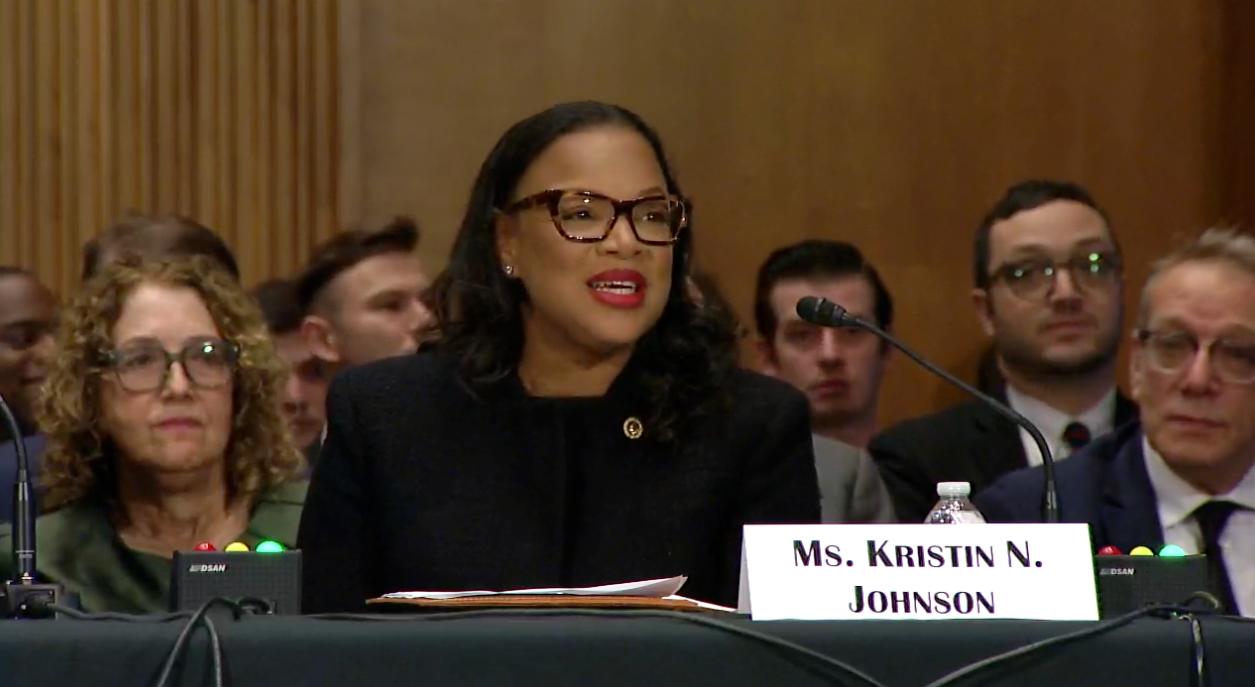
In March 2026, the U.S. Senate Banking Committee held a confirmation hearing for two SEC nominees, one from each major party, as the administration worked to rebuild market regulators. During the hearing, senators asked the nominees how the SEC would approach a comprehensive rulemaking process for tokenization. The discussion highlighted the agency’s intent to move from ad‑hoc guidance toward a full, formal rule that would clarify how tokenized assets must be treated under securities law.
What it means for you
If you are looking to earn passive income by buying tokenized assets—whether through a cloud‑mining platform, a tokenized real‑estate fund, or a security‑token offering—you need to know whether the token is subject to SEC registration. Tokens that are securities typically require the issuer to provide a prospectus, undergo periodic reporting, and limit sales to accredited investors unless an exemption applies. Non‑security (utility) tokens are not bound by those same rules, but they may still be subject to other regulations such as anti‑money‑laundering (AML) requirements.
Understanding the regulatory status helps you assess risk. A token that complies with SEC rules is more likely to have transparent reporting and investor protections, while an unregistered security could be pulled from exchanges or become the subject of enforcement actions.
What to check / how to judge
- Read the token’s whitepaper and any accompanying legal opinion. Look for explicit statements about whether the token is a security.
- Verify whether the issuer has filed a registration statement with the SEC (Form S‑1, Form D, etc.) or is relying on an exemption.
- Check if the token is listed on a regulated exchange that requires SEC compliance, such as a national securities exchange or a registered alternative trading system.
- Look for ongoing disclosure: quarterly reports, audited financials, or a public investor relations portal.
- Consider the jurisdiction of the issuer. Even if a token is issued abroad, if it is offered to U.S. investors it may still fall under SEC jurisdiction.
FAQ
Is every token a security?
No. The SEC applies the Howey Test to determine if a token is an investment contract. If the token involves an investment of money in a common enterprise with an expectation of profit derived from the efforts of others, it is likely a security.
Can I buy tokenized assets without being an accredited investor?
Only if the token is offered under an exemption that allows non‑accredited investors, such as Regulation A+ or a public offering that meets the SEC’s crowdfunding rules. Most security‑token offerings currently restrict purchases to accredited investors.
What happens if a token is later deemed a security after I bought it?
The issuer may be required to register the token retroactively or offer a resale exemption. In some cases, the token could be delisted from exchanges, and investors might face limited liquidity until compliance is achieved.
Do tokenization rules apply to crypto mining rewards?
Generally, mining rewards are native cryptocurrency tokens, not tokenized representations of external assets, so they are not treated as securities. However, if a mining pool issues its own token that promises a share of future mining profits, that token could be viewed as a security and subject to SEC rules.
This article references reporting from coindesk.com.




