
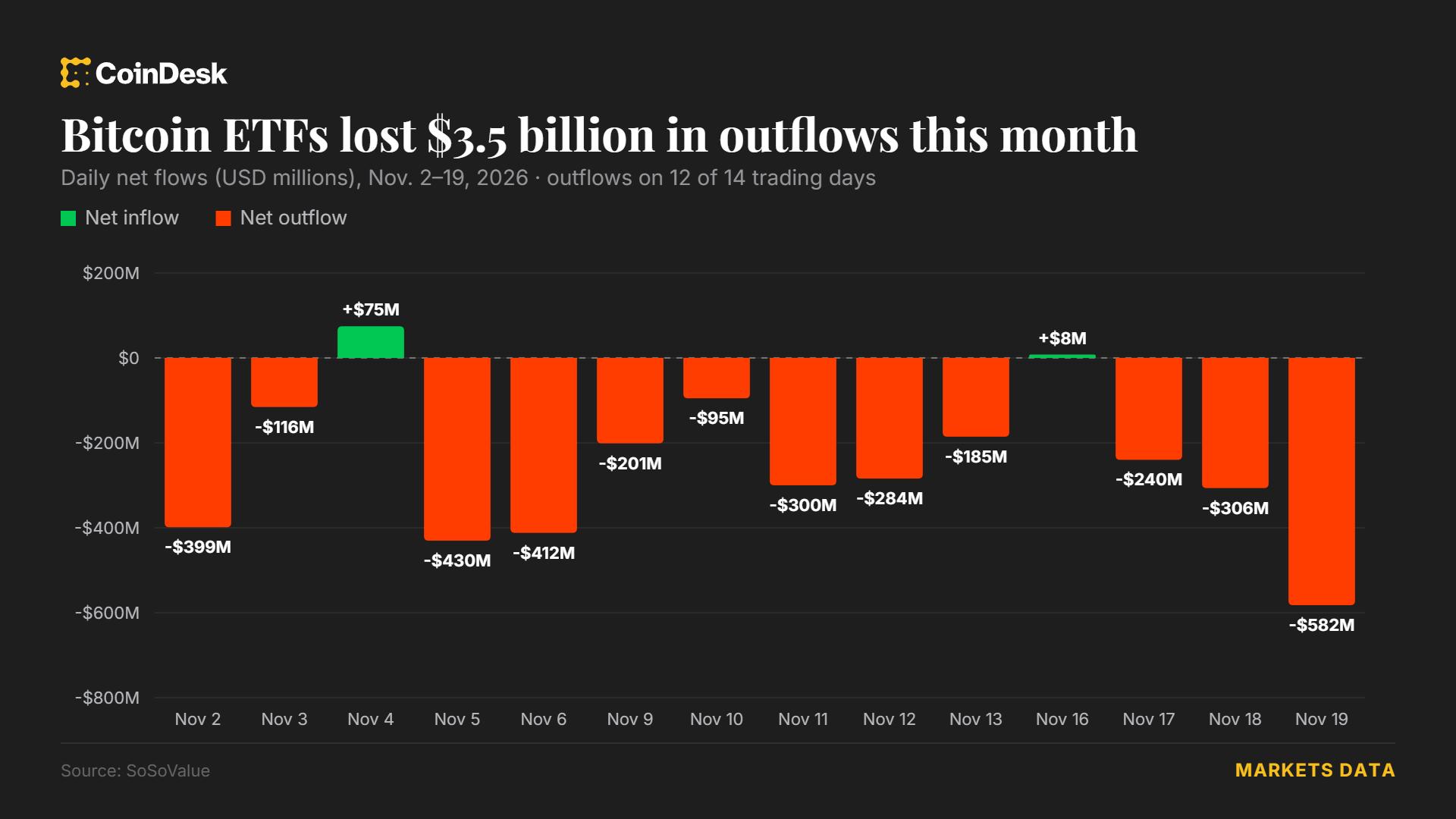
Are you wondering how a Bitcoin exchange‑traded fund (ETF) actually gives you exposure to the cryptocurrency, and why large investor withdrawals might matter to you? This article explains the mechanics of spot Bitcoin ETFs, what drives money moving in and out, and how you can assess the risk when you consider them as part of a passive‑income strategy.
The plain explanation
A spot Bitcoin ETF is a financial product that trades on a traditional stock exchange, just like a share of Apple or a bond. Unlike futures‑based ETFs, which hold contracts that promise delivery of Bitcoin at a later date, a spot ETF holds the actual cryptocurrency in custody. When you buy a share of the ETF, you own a proportional claim on the pool of Bitcoin that the fund manager has purchased and stored.
The key terms you need to know are:
- Spot price: The current market price of Bitcoin on exchanges such as Coinbase or Binance.
- Custody: The service that securely stores the Bitcoin on behalf of the fund. Custodians use cold‑storage wallets, multi‑signature controls and insurance to protect the assets.
- Net Asset Value (NAV): The total value of the Bitcoin held by the fund divided by the number of outstanding shares. The ETF’s market price should stay close to its NAV, though small premiums or discounts can appear.
- Creation/Redemption process: Authorized participants (usually large banks) can create new ETF shares by delivering Bitcoin to the fund, or redeem shares by returning them for Bitcoin. This mechanism helps keep the market price aligned with the NAV.
Because the ETF holds real Bitcoin, investors get price exposure without needing a personal wallet, private keys, or dealing with cryptocurrency exchanges. However, the ETF is still subject to traditional market forces, regulatory oversight, and the operational risk of the custodian.
A real example
In March 2026, BlackRock’s spot Bitcoin ETF experienced its largest single‑day outflow since the product launched more than two years earlier. Investors withdrew a significant amount of capital, causing the fund’s share price to dip alongside a broader slide in Asian technology stocks. This event illustrates how investor sentiment and external market factors can quickly affect the liquidity and price of an ETF, even when the underlying Bitcoin price remains relatively stable.
What it means for you
If you are using an ETF as a way to earn passive income—through dividend‑like distributions, staking‑related yields, or simply price appreciation—large outflows can create a few practical impacts:
- Liquidity risk: With fewer investors, the spread between the ETF’s market price and its NAV may widen, making it more expensive to buy or sell.
- Price volatility: While the ETF tracks Bitcoin’s spot price, heavy redemption activity can force the fund to sell Bitcoin quickly, potentially adding downward pressure on the spot market.
- Fee considerations: Management fees are charged on the total assets under management. A shrinking asset base means the fee represents a larger proportion of any returns you earn.
Understanding these dynamics helps you decide whether an ETF fits your risk tolerance compared with holding Bitcoin directly or using other earning methods such as cloud mining or staking platforms like EcoPool.
What to check / how to judge
Before adding a spot Bitcoin ETF to your portfolio, evaluate the following:
- Custodian reputation: Verify which firm holds the Bitcoin and what insurance or audit processes are in place.
- Creation/redemption mechanism: Ensure the ETF has active authorized participants; a healthy creation/redemption flow keeps the price close to NAV.
- Expense ratio: Compare the annual fee with other Bitcoin exposure options. Lower fees preserve more of your earnings.
- Liquidity metrics: Look at average daily trading volume and the bid‑ask spread. High volume reduces the cost of entering or exiting the position.
- Regulatory environment: Confirm that the ETF is registered with the relevant securities regulator (e.g., the SEC in the United States) and that it complies with reporting standards.
FAQ
Is a spot Bitcoin ETF the same as owning Bitcoin?
No. The ETF gives you a claim on Bitcoin held by the fund, but you do not control the private keys. You benefit from price movements without managing a wallet, but you also rely on the fund’s custody and management.
Can I earn interest or staking rewards from a spot Bitcoin ETF?
Most spot ETFs do not distribute staking rewards directly. Some may generate income by lending the underlying Bitcoin, but any such earnings are reflected in the ETF’s price rather than paid out as separate interest.
What causes large outflows like the one in March 2026?
Factors include broader market sentiment, regulatory news, shifts in risk appetite, or competition from other crypto‑investment products. When investors move money out, the fund must sell Bitcoin to meet redemptions, which can affect the ETF’s price.
Should I keep my entire crypto exposure in an ETF?
Diversification is key. An ETF can provide convenient exposure, but holding a portion of Bitcoin directly, using staking platforms, or exploring green mining options can spread risk and potentially increase earning opportunities.
This article references reporting from coindesk.com.




