
Are you curious about how you can borrow crypto without selling it, and why those loans can disappear in a flash? This article explains the mechanics of decentralized finance (DeFi) lending, what collateral and liquidation mean, and how you can protect yourself when using these services.
What is a DeFi collateralized loan?
In a DeFi lending platform, a borrower deposits a digital asset as collateral and receives a loan in another cryptocurrency. The loan is usually over‑collateralized, meaning the value of the collateral must exceed the loan amount by a safety margin (often 150 % or more). This margin protects lenders in case the collateral’s price falls.
The process works like this:
- Deposit collateral: You send a token—commonly Ether (ETH) or Bitcoin (BTC)—to a smart contract that holds it securely.
- Borrow against it: The contract issues a loan token, such as a stablecoin (USDC) or another crypto, based on the collateral’s current market value and the platform’s loan‑to‑value (LTV) ratio.
- Accrue interest: Interest is calculated on the borrowed amount, often paid in the same token or a platform‑specific reward token.
- Repay or be liquidated: If you repay the loan plus interest, the collateral is released. If the collateral’s value drops below a critical threshold, the protocol automatically sells (liquidates) part of the collateral to cover the loan.
Key terms:
- Loan‑to‑value (LTV): The ratio of the loan amount to the collateral’s market value. A lower LTV means more cushion against price drops.
- Health factor: A numeric score that indicates how close a loan is to liquidation. The higher the score, the safer the position.
- Liquidation penalty: An extra fee taken by the protocol when it sells collateral, designed to discourage risky borrowing.
Real‑world illustration
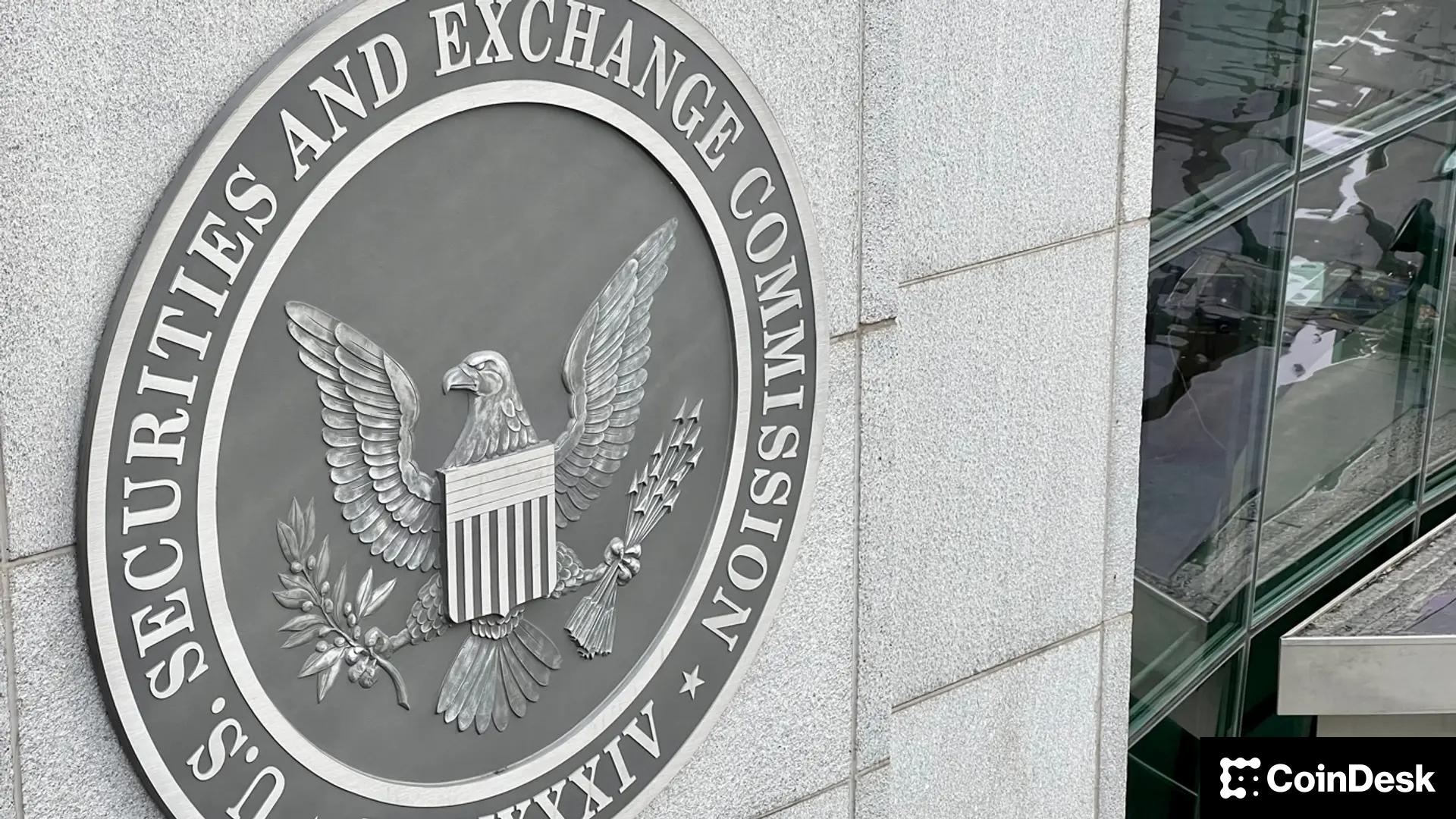
In March 2026, BTCS, a treasury firm that had taken a $54 million loan on the Aave platform using Ether as collateral, warned the U.S. Securities and Exchange Commission (SEC) that the loan could be liquidated. The firm reduced its reported Aave debt by about $10 million over ten days, but the continued decline in Ether’s price kept the collateral under pressure, pushing the health factor toward the liquidation threshold.
What this means for you
If you are considering a DeFi loan, the BTCS case shows that even large, professional entities can face liquidation when market prices move sharply. For individual borrowers, the stakes are similar: a sudden drop in the collateral’s price can trigger an automatic sale, potentially leaving you with a loss.
Understanding the risk helps you decide whether borrowing is the right move for your financial goals. If you need liquidity but want to keep exposure to an asset, a collateralized loan can be useful—provided you monitor the loan’s health and have a plan for price swings.
What to check before you borrow
- Collateral type and volatility: Choose assets with lower price volatility if you want a wider safety margin.
- LTV and health factor thresholds: Look for platforms that offer transparent LTV limits and real‑time health factor dashboards.
- Interest rates and fees: Compare the annual percentage rate (APR) and any liquidation penalties across platforms.
- Liquidity of the collateral: Ensure the platform can quickly sell the collateral without large price slippage.
- Smart‑contract audit status: Verify that the protocol’s code has been audited by reputable firms to reduce the risk of bugs that could affect liquidation mechanics.
FAQ
What happens if my collateral’s price drops just a little?
The protocol continuously monitors the health factor. As long as the factor stays above the liquidation threshold, nothing happens. Small price drops may reduce the cushion but won’t trigger a sale.
Can I add more collateral after taking a loan?
Yes. Most platforms let you deposit additional collateral at any time, which raises the health factor and reduces liquidation risk.
Is there any way to avoid liquidation altogether?
You can keep the LTV very low (e.g., borrowing only 30 % of the collateral’s value) or set up automatic alerts to add collateral when the health factor falls. However, market crashes can be rapid, so some risk always remains.
Do I need to repay the loan in the same token I borrowed?
Typically, repayment must be made in the same token, though some platforms allow swapping during repayment. Paying early can lower the total interest you owe.
This article references reporting from coindesk.com.




