
Do you wonder how traders can amplify their gains—or losses—by using leverage in crypto markets? This article explains what leveraged positions are, how they function, and what you should consider before using them to try and earn passive income.
What leverage actually is
Leverage lets a trader control a larger amount of cryptocurrency than the capital they actually put down. For example, a 10× leverage means you can open a position worth ten times your margin. The margin is the collateral you must lock up, typically a fraction of the total trade size. If the market moves in your favor, profits are multiplied by the leverage factor; if it moves against you, losses are multiplied the same way.
Key terms:
- Margin – the cash or crypto you deposit to open a leveraged trade.
- Leverage ratio – the multiple of exposure relative to your margin (e.g., 5×, 20×).
- Liquidation price – the price level at which the exchange automatically closes your position to prevent the margin from falling below a required minimum.
- Long position – betting that the price will rise.
- Short position – betting that the price will fall.
Because the exposure is larger than the capital, leveraged trading is essentially borrowing funds from the exchange or from other traders. The borrowed amount incurs an interest or funding fee, which is usually charged hourly or daily.
Real‑world illustration
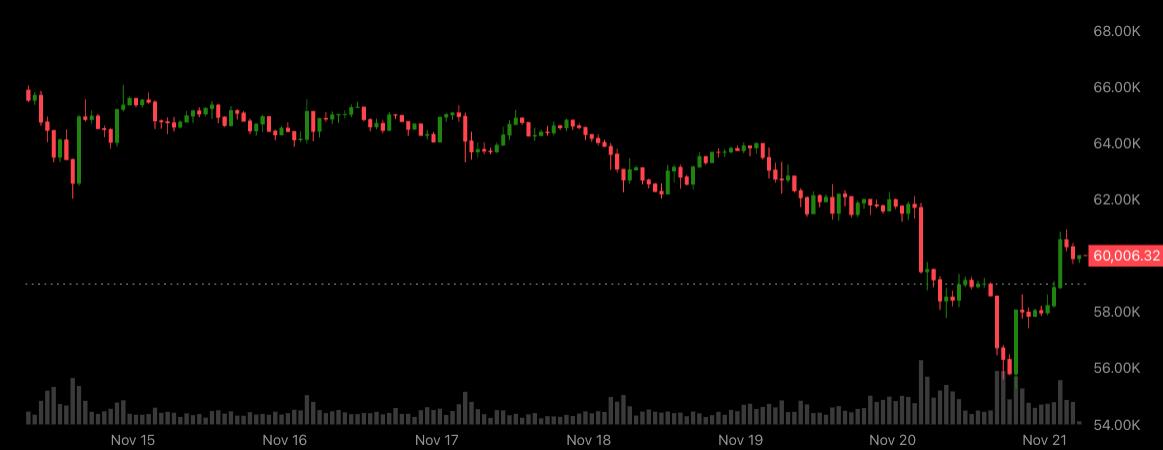
In March 2026, Bitcoin fell to a two‑year low, prompting a rapid sell‑off that erased about $1.8 billion in leveraged crypto positions, most of which were bullish bets expecting the price to keep rising. When the price dropped sharply, many traders hit their liquidation prices, and the exchange closed their positions to protect the borrowed capital.
What it means for you
If you are looking for ways to earn online, leveraged trading can seem attractive because a small amount of capital can generate large returns. However, the same mechanism that magnifies gains also magnifies losses. A modest adverse price move can wipe out your entire margin, and you may still owe the borrowed amount plus fees.
For most casual earners, the risk of losing more than you can afford outweighs the potential upside. Leveraged positions are better suited to experienced traders who can monitor markets closely, set stop‑loss orders, and manage the risk of liquidation.
What to check before you use leverage
- Understand the leverage ratio offered and choose a level you can comfortably cover with your margin.
- Calculate the liquidation price for your trade so you know how far the market can move against you before the position is closed.
- Check the funding or interest rates that will be applied to the borrowed amount.
- Use stop‑loss orders to automatically exit a trade if the price reaches a predefined level.
- Confirm the exchange’s margin call policy and how quickly liquidations are executed.
- Make sure you have enough capital reserves to cover potential losses without endangering your overall financial health.
FAQ
Can I lose more than my initial deposit?
Yes. If a position is liquidated and the market gaps past the liquidation price, the exchange may deduct the shortfall from your account, leading to a loss greater than the margin you posted.
Is leverage the same as borrowing money to buy crypto?
Leverage is a form of borrowing, but it is usually provided by the exchange rather than a traditional lender. The borrowed funds are tied to the specific trade and are repaid automatically when the position closes.
Do I need a special account to trade with leverage?
Most exchanges require you to enable margin trading and may ask for additional verification. You will also need to maintain a minimum margin balance as defined by the platform.
How does leverage affect taxes?
Profits and losses from leveraged trading are treated like any other crypto trade for tax purposes. However, because gains can be amplified, you may end up with larger taxable events, and you must also track any interest or funding fees paid.
This article references reporting from coindesk.com.




