
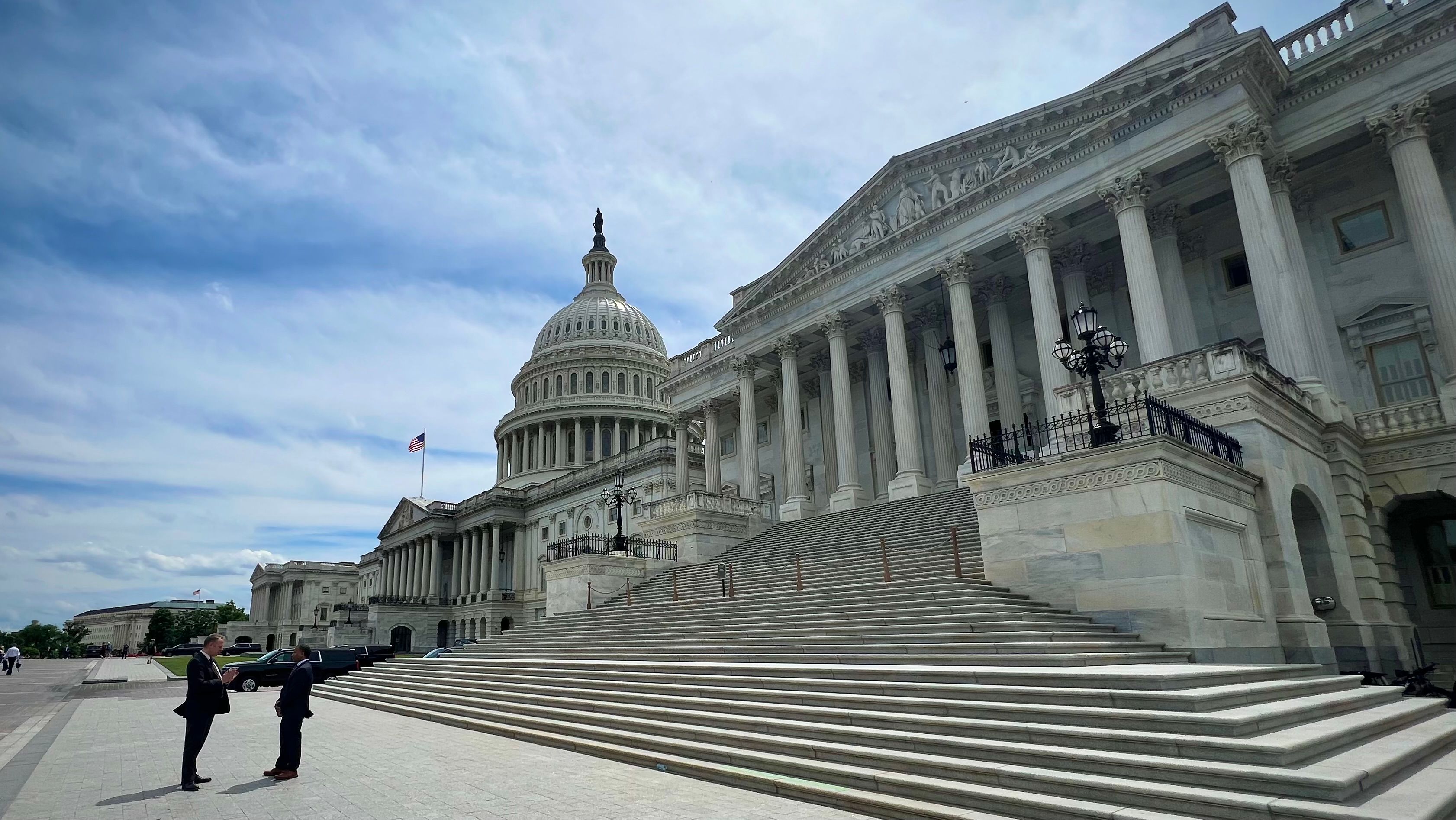
Are you worried that government scrutiny could affect the crypto rewards you earn online? This article explains how congressional oversight of the cryptocurrency sector works, what it aims to achieve, and how the process can impact everyday earners.
What congressional oversight of crypto actually is
Congressional oversight is the power of the United States Congress to monitor, investigate, and influence the actions of the executive branch and private industries. In the context of cryptocurrency, oversight usually takes the form of hearings, subpoenas, and reports issued by various committees. These committees—such as the Senate Banking Committee, the House Financial Services Committee, and the House Oversight Committee—summon industry executives, regulators, and experts to testify about market practices, consumer protection, financial stability, and national security.
Key terms to know:
- Committee hearing: A public or closed‑door session where witnesses answer questions from members of Congress.
- Subpoena: A legal order requiring a person or organization to provide documents or appear before a committee.
- Regulatory framework: The set of laws and rules that govern how crypto businesses operate, often drafted by agencies like the SEC (Securities and Exchange Commission) or the CFTC (Commodity Futures Trading Commission) but shaped by congressional intent.
Oversight does not create new law directly, but it can pressure agencies to act, inspire legislation, and signal to the market which practices are likely to attract scrutiny. For crypto earners, the main concerns are changes to tax treatment, restrictions on certain reward models, and potential bans on high‑energy mining or unregistered securities offerings.
Real‑world illustration: expanding hearings in 2024
In March 2024, new letters revealed that an expanding group of congressional committees planned to hold oversight hearings on the presidential administration’s handling of crypto collateral and related activities. The letters showed that not only the traditional finance committees, but also the House Judiciary Committee and the Senate Energy & Natural Resources Committee, intended to probe how crypto assets are used as collateral in lending, the environmental impact of mining, and the adequacy of consumer protections.
What this means for you as an online crypto earner
When multiple committees focus on crypto, several practical outcomes can affect your earnings:
- Policy shifts: Lawmakers may propose new rules that limit certain reward structures, such as high‑yield “cloud mining” contracts that lack clear disclosures.
- Regulatory enforcement: Agencies could increase enforcement actions against platforms that fail to register as securities or that misrepresent risk.
- Market perception: News of hearings often leads to short‑term price volatility, which can affect the value of the coins you earn.
- Compliance costs: Platforms may raise fees or tighten user verification to meet stricter anti‑money‑laundering (AML) and know‑your‑customer (KYC) requirements.
For most earners, the biggest impact is the potential for platforms to change their terms or to disappear if they cannot meet new regulatory standards. Staying informed helps you avoid sudden loss of access to rewards.
How to evaluate the safety of a crypto earning platform
Before you commit funds or time to a platform, consider these concrete checks:
- Regulatory registration: Verify whether the platform is registered with the SEC, CFTC, or a state financial regulator. Registered entities must disclose more information and are subject to periodic audits.
- Transparency of rewards: Look for clear explanations of how rewards are generated—whether they come from transaction fees, staking, or actual mining—and whether the model is sustainable.
- Audit reports: Independent security audits of smart contracts or the platform’s codebase reduce the risk of exploits.
- Legal terms: Read the user agreement for clauses about jurisdiction, dispute resolution, and the platform’s right to alter reward rates.
- Community reputation: Check forums, social media, and third‑party review sites for consistent feedback about withdrawals, customer support, and compliance history.
FAQ
Will congressional hearings directly shut down my crypto wallet?
No. Hearings themselves do not close wallets. However, resulting legislation or enforcement actions could require platforms to change how they operate, which might affect the availability of certain services you use.
Do I need to report crypto earnings to the IRS because of these hearings?
Yes. Regardless of congressional activity, U.S. tax law treats crypto earned from staking, mining, or rewards as taxable income. You must report the fair market value at the time you receive the coins.
Can a platform continue offering high‑yield rewards if regulators intervene?
Possibly, but they may need to adjust the structure to comply with securities laws or consumer‑protection rules. Often, platforms reduce yields, add more disclosures, or shift to a lower‑risk model.
Is it safer to use a platform that is already under congressional scrutiny?
Not necessarily. Platforms under scrutiny may be more transparent because they are already answering questions, but they also face higher regulatory risk. Evaluate each platform on the criteria above rather than assuming scrutiny equals safety.
This article references reporting from coindesk.com.




