
Wondering why Bitcoin’s price sometimes climbs while other times it stalls? This article explains how central bank actions, especially those of the U.S. Federal Reserve, affect Bitcoin’s market dynamics and what that means for anyone trying to earn crypto through mining or staking.
The basics: Bitcoin price drivers
Bitcoin is a decentralized digital asset, but its market price is set on open exchanges where buyers and sellers meet. Several factors influence where that price lands:
- Supply constraints. Only 21 million bitcoins will ever exist, and new coins are created at a predictable rate through mining. This scarcity can support higher prices if demand rises.
- Demand from investors and users. When more people want to own Bitcoin—whether as a store of value, a hedge, or a speculative asset—prices tend to rise.
- Macro‑economic environment. Broad economic conditions, such as inflation, interest rates, and currency stability, shape investor sentiment toward risk‑on or risk‑off assets.
- Regulatory news. Government policies that restrict or enable crypto activity can cause sharp price movements.
Among these, macro‑economic conditions—particularly the policies of major central banks—play a outsized role because they affect the overall cost of capital and the attractiveness of alternative stores of value.
How the Federal Reserve influences Bitcoin
The Federal Reserve (the Fed) controls the United States’ monetary policy, primarily through setting the federal funds rate and managing the money supply. Its decisions ripple through global financial markets in three main ways:
- Interest rates. When the Fed raises rates, borrowing becomes more expensive, and traditional savings accounts offer higher yields. This can make low‑yielding assets like Bitcoin less attractive, prompting price drops.
- Inflation expectations. If the Fed’s actions are perceived as insufficient to curb inflation, investors may seek assets that preserve purchasing power, such as Bitcoin, driving prices up.
- Liquidity. Quantitative easing (the Fed buying bonds to inject cash) increases market liquidity, often boosting risk‑on assets, including cryptocurrencies.
Because the Fed’s policy decisions are closely watched, Bitcoin’s price often reacts to the tone of Fed statements, meeting minutes, and economic data releases.
Real‑world illustration
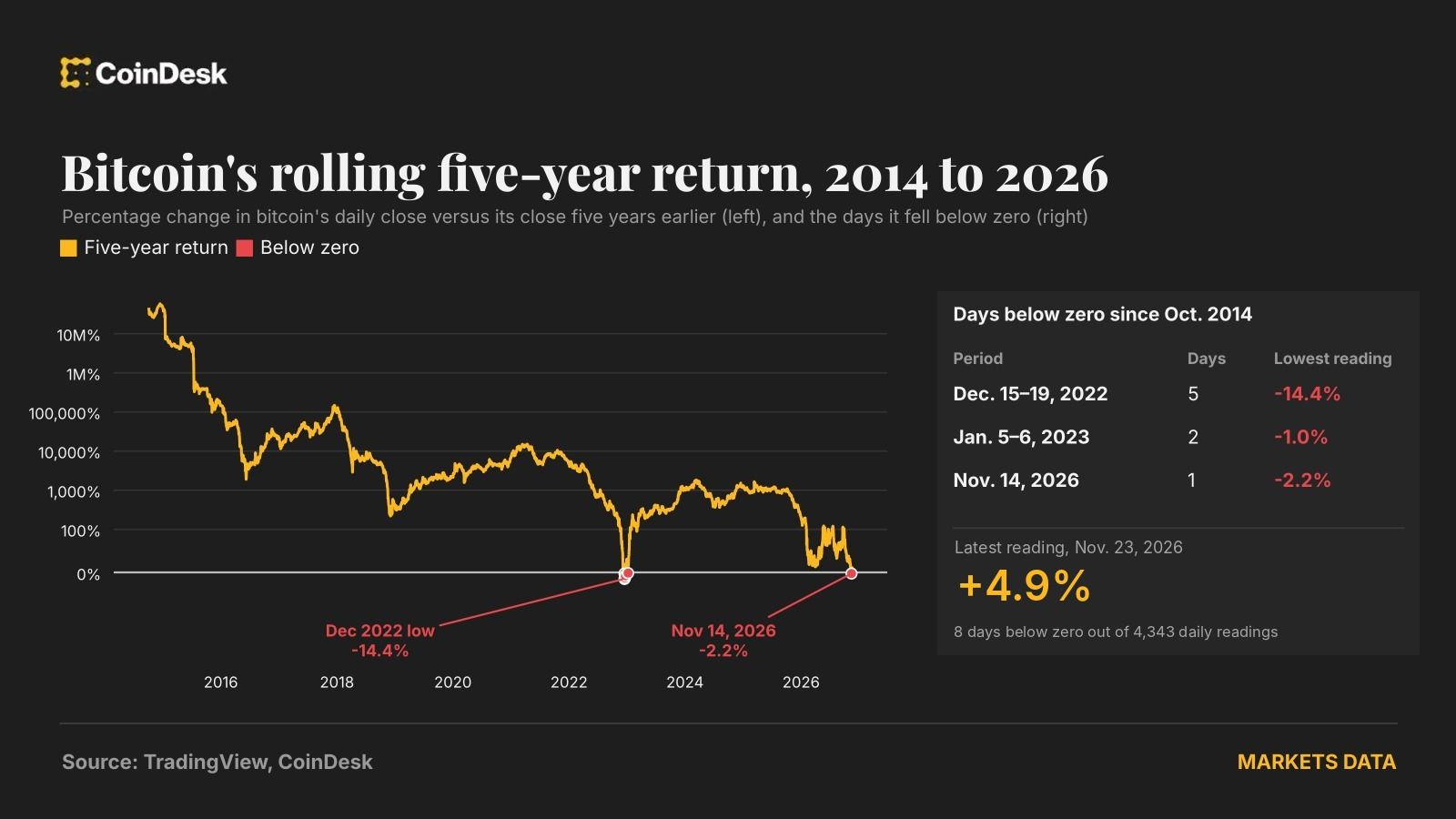
In March 2026, an analysis highlighted that Bitcoin’s five‑year total return was “nearly zero.” The report noted that the strong narratives that once propelled the asset—such as “digital gold” and “decentralized finance”—had faded, leaving the Fed’s policy stance as the dominant market driver. This example shows how, when broader storylines lose steam, macro factors can become the primary source of price movement.
What this means for you as an online earner
If you earn crypto by mining, staking, or providing cloud rewards, your income is directly tied to Bitcoin’s market price:
- Mining profitability. Miners earn newly minted bitcoins and transaction fees. When Bitcoin’s price falls, the fiat value of those rewards drops, potentially turning a profitable operation into a loss.
- Staking and liquidity provision. Some platforms reward participants in Bitcoin‑linked tokens. Their value follows Bitcoin’s price, so a stagnant or falling market reduces your passive income.
- Opportunity cost. Holding cash or low‑yield assets while the Fed raises rates may become more attractive than holding Bitcoin, influencing your decision to allocate capital.
Understanding the Fed’s policy cycle helps you anticipate periods when Bitcoin might underperform and plan your earning strategy accordingly.
How to evaluate the macro environment before committing funds
Before you invest time or money in Bitcoin‑related earning activities, consider these checkpoints:
- Watch Fed rate announcements. Note the direction (increase, decrease, hold) and the accompanying language about inflation.
- Track inflation data. Higher consumer price index (CPI) readings can signal rising inflation expectations, which historically boost interest in Bitcoin.
- Assess market liquidity. Look for signs of quantitative easing or tightening in major economies; increased liquidity often supports crypto price rallies.
- Compare alternative yields. Evaluate the returns on traditional savings, bonds, or money‑market funds. If they become competitive, Bitcoin may lose some of its appeal.
- Diversify earnings. Relying solely on Bitcoin rewards can be risky. Consider mixing in other crypto assets or non‑crypto passive income streams.
FAQ
Why does Bitcoin sometimes move opposite to the stock market?
When the Fed raises rates, risk‑on assets like stocks can suffer, while some investors view Bitcoin as a hedge against inflation, leading to divergent price paths.
Can I protect my mining earnings from a falling Bitcoin price?
One approach is to hedge by converting a portion of mined coins into stablecoins or fiat soon after receipt, reducing exposure to price swings.
Do higher interest rates always hurt Bitcoin?
Not always. If higher rates are accompanied by strong inflation, Bitcoin may still attract investors seeking to preserve purchasing power.
How often should I reassess the macro environment?
Key Fed meetings occur roughly every six weeks. Reviewing the outcomes and related economic data after each meeting helps keep your earning strategy aligned with market conditions.
This article references reporting from coindesk.com.




