Wondering why Bitcoin’s price can swing dramatically and how those swings affect your ability to earn from mining or staking? This article breaks down the key forces that move Bitcoin’s market value and shows you how to think about profitability when the price changes.
What determines Bitcoin’s market price?
Bitcoin’s price is set by supply and demand on exchanges around the world. When more people want to buy than sell, the price rises; when more want to sell than buy, it falls. Several factors influence that balance:
- Macro‑economic indicators. Inflation data, interest‑rate decisions, and the strength of the US dollar can shift investor appetite for risk assets like Bitcoin.
- Technology news. Announcements about hardware, software upgrades, or major corporate adoption can create optimism or caution.
- Regulatory signals. New laws, tax guidance, or enforcement actions in major markets often cause rapid price reactions.
- Market sentiment. Media coverage, social‑media trends, and the behavior of large “whale” holders can amplify moves in either direction.
Because Bitcoin is a global, decentralized asset, no single entity controls its price. Instead, a network of traders, investors, miners, and institutions collectively determines the market level at any moment.
A real‑world illustration
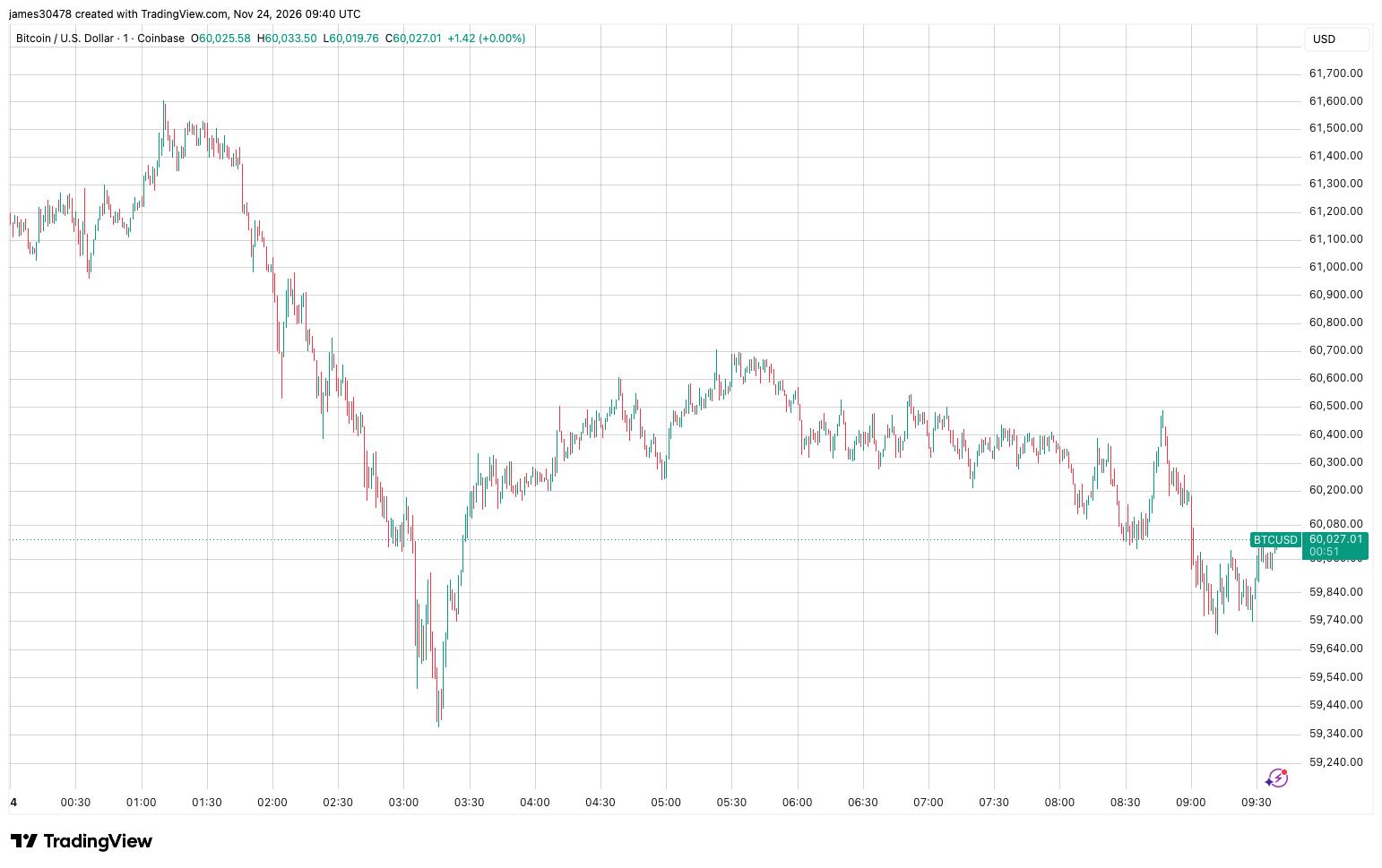
In March 2026, Bitcoin slipped below the $60,000 mark after a rally tied to Nvidia co‑founder Jensen Huang’s return to the company lost steam. Nasdaq 100 futures fell about 1 % and the US Dollar Index stayed above 104, its highest level since March 2025. The combination of a weakening tech rally and a strong dollar reduced demand for risk assets, pulling Bitcoin’s price down.
What this means for you
If you earn Bitcoin through mining, staking, or cloud‑based rewards, the price you receive for your output can change dramatically from day to day. A higher price means each mined coin translates into more fiat value, improving your net earnings. Conversely, a price drop reduces the dollar value of the same amount of Bitcoin, potentially turning a profitable operation into a break‑even or loss‑making one.
It’s also important to remember that mining costs—electricity, hardware depreciation, and pool fees—are largely fixed in fiat terms. When Bitcoin’s price falls, those costs represent a larger share of your revenue, squeezing margins. Staking rewards, which are paid in the native token, face the same valuation risk.
How to evaluate profitability amid price swings
- Calculate break‑even in fiat. Convert your estimated daily mining or staking reward into dollars using a recent price and compare it to your total daily costs.
- Track the dollar index. A strong dollar often pressures Bitcoin’s price. Watching the Dollar Index can give you an early hint of broader market direction.
- Monitor hardware efficiency. More efficient ASICs or GPU rigs reduce electricity per megahash, giving you a buffer when prices dip.
- Consider diversified earnings. Combining mining with other passive‑income streams—such as cloud rewards or green‑focused platforms—can smooth out revenue fluctuations.
FAQ
Why does a strong US dollar hurt Bitcoin’s price?
A strong dollar makes all other currencies more expensive, which can reduce demand for assets priced in dollars, including Bitcoin. Investors may also shift from riskier assets to dollar‑denominated safe havens.
Can I still profit when Bitcoin’s price is falling?
Profitability depends on your cost structure. If your electricity and hardware costs are low enough, you can remain in the black even at lower prices. Monitoring your break‑even point is essential.
Do mining pools affect my earnings during price volatility?
Mining pools distribute rewards proportionally based on contributed hash power. While pools smooth out the timing of payouts, the fiat value of those payouts still follows the market price, so volatility impacts the dollar amount you receive.
Is staking safer than mining when the price drops?
Staking eliminates electricity costs, but you still receive rewards in the native token. If the token’s price falls, the fiat value of your rewards declines. Both methods share price risk; the difference lies in operational expenses.
This article references reporting from coindesk.com.