Ever wonder why Bitcoin’s price swings so dramatically and how those swings affect anyone trying to earn from the network? This article breaks down the key forces that drive Bitcoin’s market value and explains what those forces mean for miners, stakers, and other online earners.
What determines Bitcoin’s price?
Bitcoin’s price is set on open markets where buyers and sellers trade the digital coin. Unlike a stock that pays dividends, Bitcoin’s value comes from supply‑and‑demand dynamics and the broader perception of its utility.
Supply side: The total number of Bitcoins that can ever exist is capped at 21 million. New coins are created through mining, a process that adds a fixed amount of Bitcoin to the supply roughly every ten minutes. Because the supply schedule is predictable, price changes are driven mostly by demand.
Demand side: Demand is influenced by several factors:
- Investor sentiment – news, macro‑economic trends, and social media chatter can sway how people feel about Bitcoin as a store of value.
- Regulatory environment – announcements from governments about bans, taxes, or supportive policies can either scare investors away or attract new capital.
- Adoption and use cases – when businesses accept Bitcoin, or when developers build applications on its blockchain, the perceived utility rises.
- Market liquidity – the ease with which large amounts can be bought or sold without moving the price too much. Low liquidity can cause sharp spikes or drops.
All of these factors interact in real time, creating the volatile price patterns that Bitcoin is known for.
Real‑world illustration
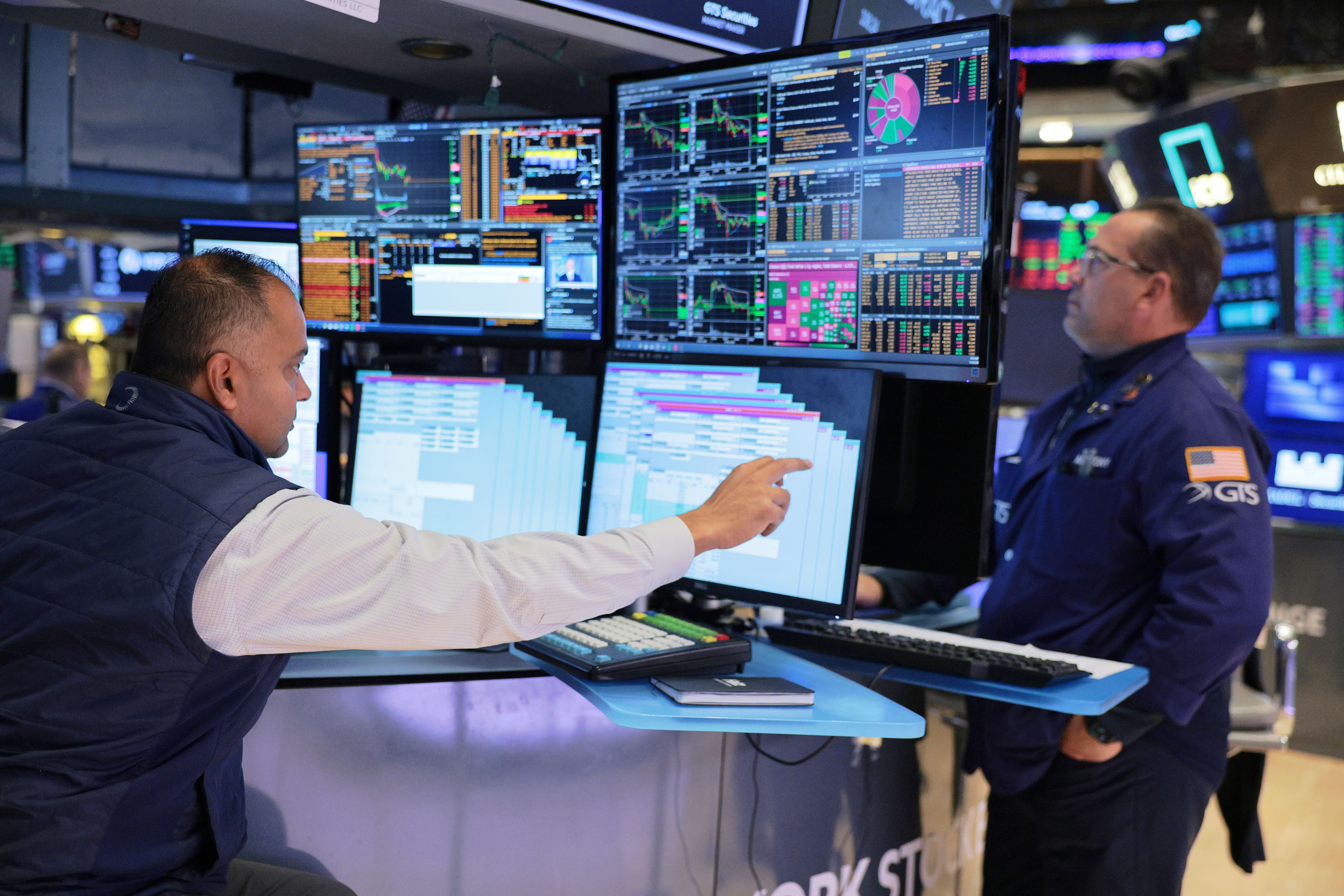
In early March 2026, market enthusiasm for tech assets faded quickly, leaving Bitcoin hovering near bear‑market lows. Traders noted that while some sectors showed signs of recovery, Bitcoin’s participation in the broader rally remained weak. This snapshot shows how sentiment and broader market trends can decouple from Bitcoin’s price movements.
What it means for you
If you are earning Bitcoin through mining, staking, or cloud‑based reward platforms, price swings directly affect your bottom line. When Bitcoin’s price falls, the fiat value of any newly minted or earned coins drops, even if the number of coins you receive stays the same. Conversely, a price surge can turn a modest reward into a sizable profit.
For miners, profitability also depends on the cost of electricity and hardware efficiency. A low Bitcoin price can make mining unprofitable unless you have very cheap power or highly efficient equipment. Stakers and cloud‑reward services face a similar dilemma: the reward rate is fixed in Bitcoin, so a falling price reduces the fiat return.
How to evaluate a Bitcoin‑earning opportunity
- Calculate break‑even price: Estimate your total cost per Bitcoin earned (electricity, hardware depreciation, fees) and compare it to the current market price.
- Check liquidity: Platforms that allow easy conversion of earned Bitcoin to fiat or stablecoins reduce the risk of being stuck with a low‑price asset.
- Assess risk tolerance: Decide how much price volatility you can handle. If you need steady fiat income, consider diversifying into assets with less price swing.
- Look for transparency: Choose services that publish their reward formulas, hardware specs, and energy sources so you can verify the numbers yourself.
FAQ
Why does Bitcoin’s price sometimes move opposite to the rest of the market?
Bitcoin is often treated as a “digital gold” and can react to macro‑economic news differently than tech stocks. For example, inflation concerns may boost Bitcoin while equity markets fall, or vice‑versa if investors see Bitcoin as risky.
Can I protect myself from a price drop while mining?
One common strategy is to sell a portion of the mined Bitcoin immediately to lock in fiat value, keeping the rest for long‑term upside. Using low‑cost electricity or renewable energy can also lower your break‑even price.
Is staking Bitcoin possible?
Bitcoin uses a proof‑of‑work consensus, which means it does not support staking. Earnings from Bitcoin come from mining rewards and transaction fees, not from locking up coins for network security.
How often should I reassess my earning setup?
Because both Bitcoin’s price and electricity costs can change quickly, a quarterly review is a good baseline. Adjust your operation if the break‑even price moves far above the market price.
This article references reporting from coindesk.com.