Are you wondering why Bitcoin can tumble so sharply after a seemingly small event? This article explains how leveraged trading and forced liquidations work, and why they can amplify price moves in the crypto market.
What leverage and liquidation mean
Leverage lets a trader borrow funds to increase the size of a position beyond the amount of capital they actually hold. For example, 10 × leverage means a trader can control $10,000 of Bitcoin with just $1,000 of their own money. The borrowed amount must be repaid, plus interest, and the trader’s own capital acts as collateral.
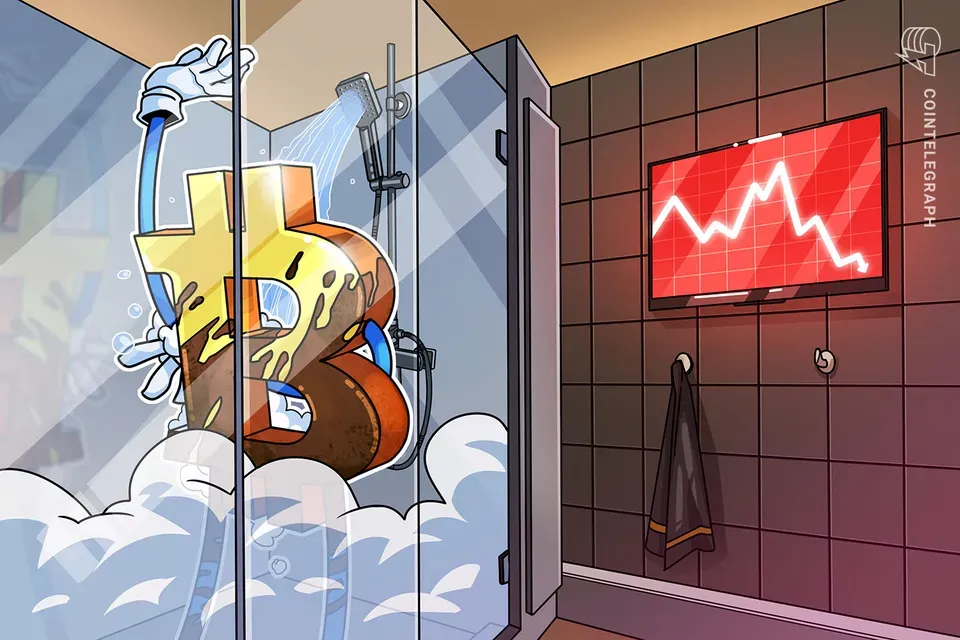
Because the borrowed money magnifies both gains and losses, exchanges set a liquidation price – the price at which the trader’s collateral no longer covers the borrowed amount. When the market moves against a leveraged position and reaches that price, the exchange automatically closes (or “liquidates”) the position to protect the lender. This forced sale adds more sell orders to the market, pushing the price down further.
Liquidations are most common in “margin” or “futures” markets, where contracts settle in cash or the underlying asset. They are a built‑in risk‑management tool for exchanges, but they can also create feedback loops: a falling price triggers liquidations, which add sell pressure, which drives the price down even more.
Real‑world illustration
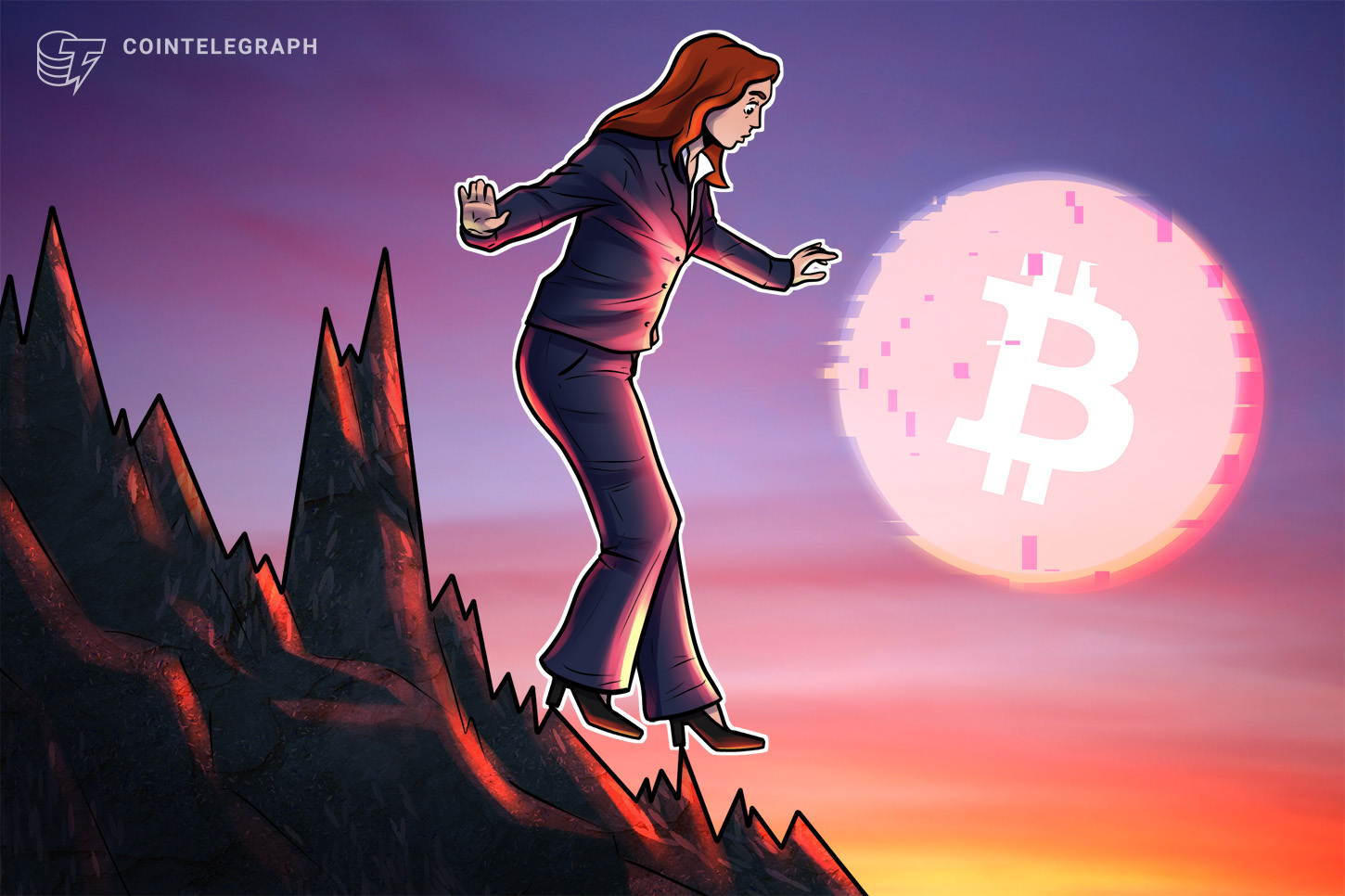
In a report published on 24 November 2026, crypto asset manager 21Shares linked a major Bitcoin sell‑off to both weakened demand and forced liquidations. After the $6.4 billion Binance hack on 29 October 2026, Bitcoin fell 5.1 % in two days, then recovered. Between 4 and 11 November, demand softened and Bitcoin dropped another 8.3 %. The biggest shock came when leveraged long positions were liquidated, pulling the price down an additional 13.5 % over three days. In the week ending 15 November, total crypto liquidations reached $5.8 billion, with 81 % coming from long (buy) positions.
What this means for you
If you are looking to earn passive income through mining, staking, or cloud rewards, you may not interact with leverage directly, but you will feel its impact. Large liquidation cascades can depress Bitcoin’s price, reducing the value of any BTC you hold or earn. Conversely, a market that is heavily leveraged can also present short‑term arbitrage opportunities for careful traders, though those opportunities come with high risk.
Understanding the role of leverage helps you set realistic expectations for earnings and prepares you for periods of heightened volatility. It also highlights why monitoring overall market sentiment—such as stablecoin supply or ETF inflows—can be as important as watching price charts.
How to assess leverage risk
- Check the leverage ratio offered on major exchanges. Higher ratios (e.g., 50 × or 100 ×) increase liquidation risk for the market.
- Look at open interest and funding rates. Rising open interest signals more capital locked in leveraged contracts, while extreme funding rates can indicate an imbalance between longs and shorts.
- Monitor liquidation data. Many data providers publish real‑time liquidation volumes; spikes often precede rapid price moves.
- Consider your own exposure. Even if you don’t trade on margin, holding BTC during a liquidation wave can affect the value of your passive earnings.
FAQ
What is the difference between margin trading and futures?
Margin trading borrows funds to buy the underlying asset directly, while futures are contracts that settle at a future date based on the asset’s price. Both can be leveraged, but futures often allow higher leverage and settle in cash.
Can I avoid liquidation risk if I don’t trade on margin?
Directly, no. Market-wide liquidations add sell pressure that can lower prices for all holders, including those with spot positions.
How do exchanges decide the liquidation price?
They calculate the price at which the trader’s collateral plus any maintenance margin no longer covers the borrowed amount, factoring in fees and the chosen leverage level.
Is high leverage always a bad thing?
High leverage can amplify profits, but it also magnifies losses and increases the likelihood of forced liquidation. It is suitable only for experienced traders who can manage rapid margin calls.
This article references reporting from cointelegraph.com.