
Ever wonder why some cryptocurrencies seem to tumble more sharply than Bitcoin when the stock market slides? This article explains the relationship between equity markets and crypto prices, why altcoins are especially sensitive, and what that means for anyone trying to earn passive income online.
The basics: how crypto prices relate to traditional markets
Cryptocurrencies are traded on global exchanges just like stocks, but they are not tied to a single country’s economy or a specific company’s earnings. Bitcoin (BTC) is often called “digital gold” because investors view it as a store of value that can hedge against inflation or currency risk. Altcoins—all other coins and tokens besides Bitcoin—include platforms like Ethereum (ETH) and a wide range of DeFi (decentralized finance) tokens that power lending, borrowing, and other financial services on blockchain.
When investors move money between asset classes, they look for safety, liquidity, and potential returns. In a calm market, many allocate a portion of their portfolio to riskier assets such as altcoins, hoping for higher upside. When equities start to lose value, the same investors often sell riskier positions first to free up cash or reduce exposure. This “flight to safety” can cause a cascade of selling across crypto markets.
Two key factors drive the difference in price reactions:
- Risk perception: Altcoins are generally considered higher‑risk than Bitcoin because they depend on the success of specific projects, developer activity, and network effects. When confidence wanes, traders exit these positions faster.
- Liquidity: Bitcoin has the deepest order books and the most trading volume of any crypto, meaning large sell orders can be absorbed with smaller price impact. Many altcoins trade on thinner markets, so even modest sell pressure can push prices down sharply.
Real‑world illustration
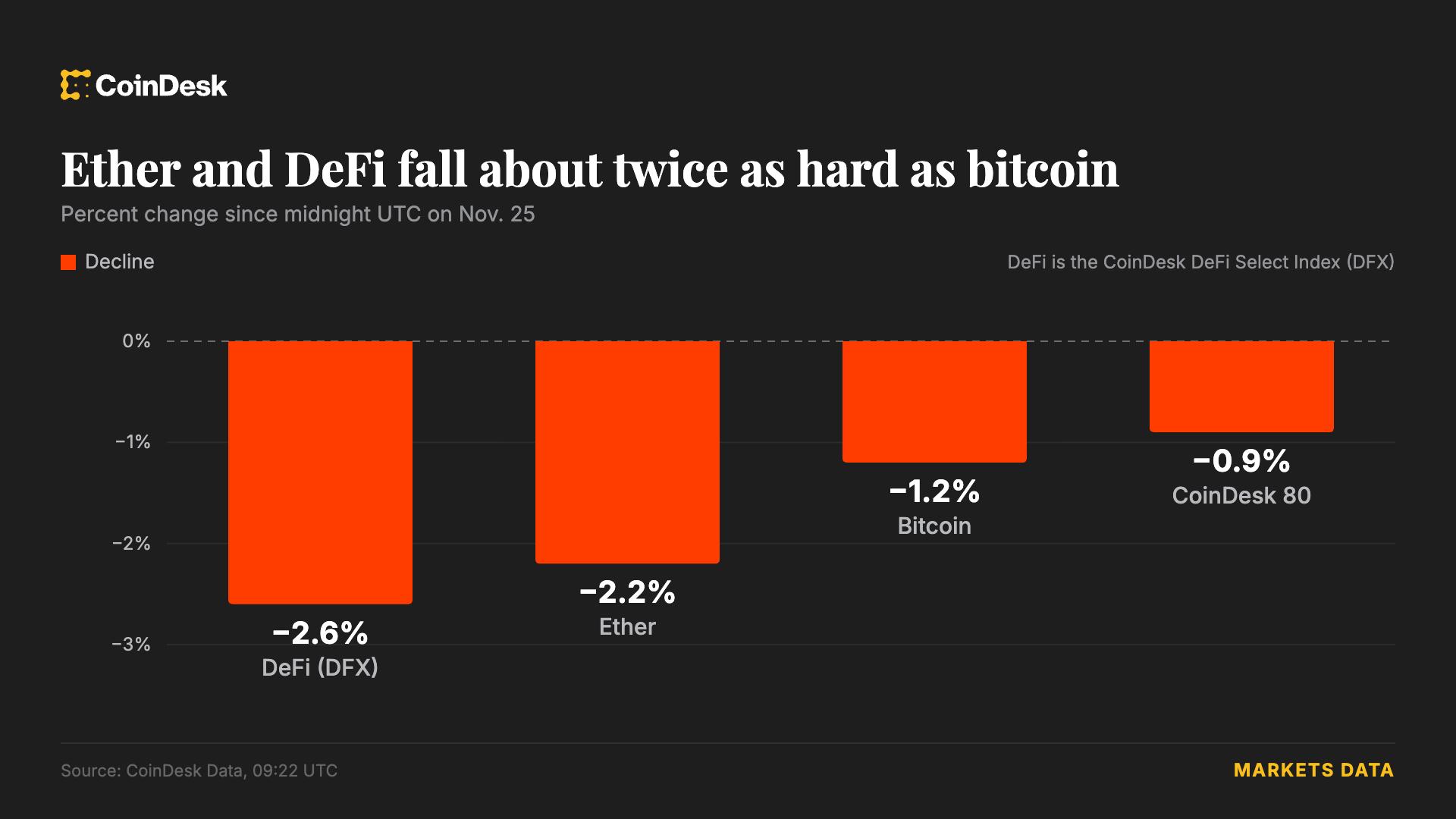
In March 2026, as a broad equity selloff continued, Bitcoin fell 1.2% from its midnight UTC price. At the same time, Ether and a basket of DeFi tokens dropped roughly twice as far, losing about 2.4% each. This pattern mirrors the typical behavior described above: the broader market dip triggered a risk‑off mood, and the less‑liquid, higher‑risk altcoins felt the pressure more intensely.
What it means for you
If you earn crypto through mining, staking, or cloud‑based reward platforms, the volatility of the underlying token directly affects your earnings. A sudden dip in an altcoin’s price can reduce the fiat value of any rewards you receive, even if the number of tokens stays the same. Conversely, Bitcoin’s relative stability can make it a more predictable base for long‑term passive income.
Understanding these dynamics helps you decide where to allocate your effort. For example, if you prefer steadier returns, focusing on Bitcoin‑centric mining pools or staking services may suit you better. If you enjoy higher upside and can tolerate swings, participating in Ethereum or DeFi projects could still be worthwhile—but you should be prepared for sharper drops during market stress.
How to evaluate a crypto earning opportunity
- Check liquidity: Look at the 24‑hour trading volume on major exchanges. Higher volume usually means price swings will be less severe.
- Assess risk profile: Determine whether the token is a store‑of‑value (like Bitcoin) or a utility token tied to a specific application (like many DeFi tokens).
- Review reward structure: Understand if rewards are paid in the native token, a stablecoin, or a mix. Stablecoin payouts can shield you from price volatility.
- Monitor market sentiment: Follow broad equity indices and macro‑economic news. A rising risk‑off sentiment often precedes larger altcoin declines.
- Consider diversification: Spreading earnings across several assets can reduce the impact of any single token’s price movement.
FAQ
Why does Bitcoin usually fall less than other cryptocurrencies?
Bitcoin’s larger market depth and its perception as a “digital gold” make it a preferred safe‑haven during market turbulence. Larger order books absorb sell pressure with smaller price changes.
Can I avoid losses from altcoin drops by converting rewards to stablecoins?
Yes. Some platforms let you receive rewards in stablecoins (cryptocurrencies pegged to a fiat currency). This protects the fiat value of your earnings, though you may miss out on upside if the token later rebounds.
Is it better to mine Bitcoin than Ethereum for stable earnings?
Bitcoin mining typically offers more predictable returns due to its higher price stability and broader market. However, mining profitability also depends on hardware costs, electricity rates, and network difficulty, so you should calculate both scenarios before deciding.
Do equity market trends always affect crypto prices?
Not always, but there is a strong correlation during periods of heightened risk aversion. When stocks tumble, investors often sell riskier assets, including many altcoins, leading to sharper price drops.
This article references reporting from coindesk.com.





