
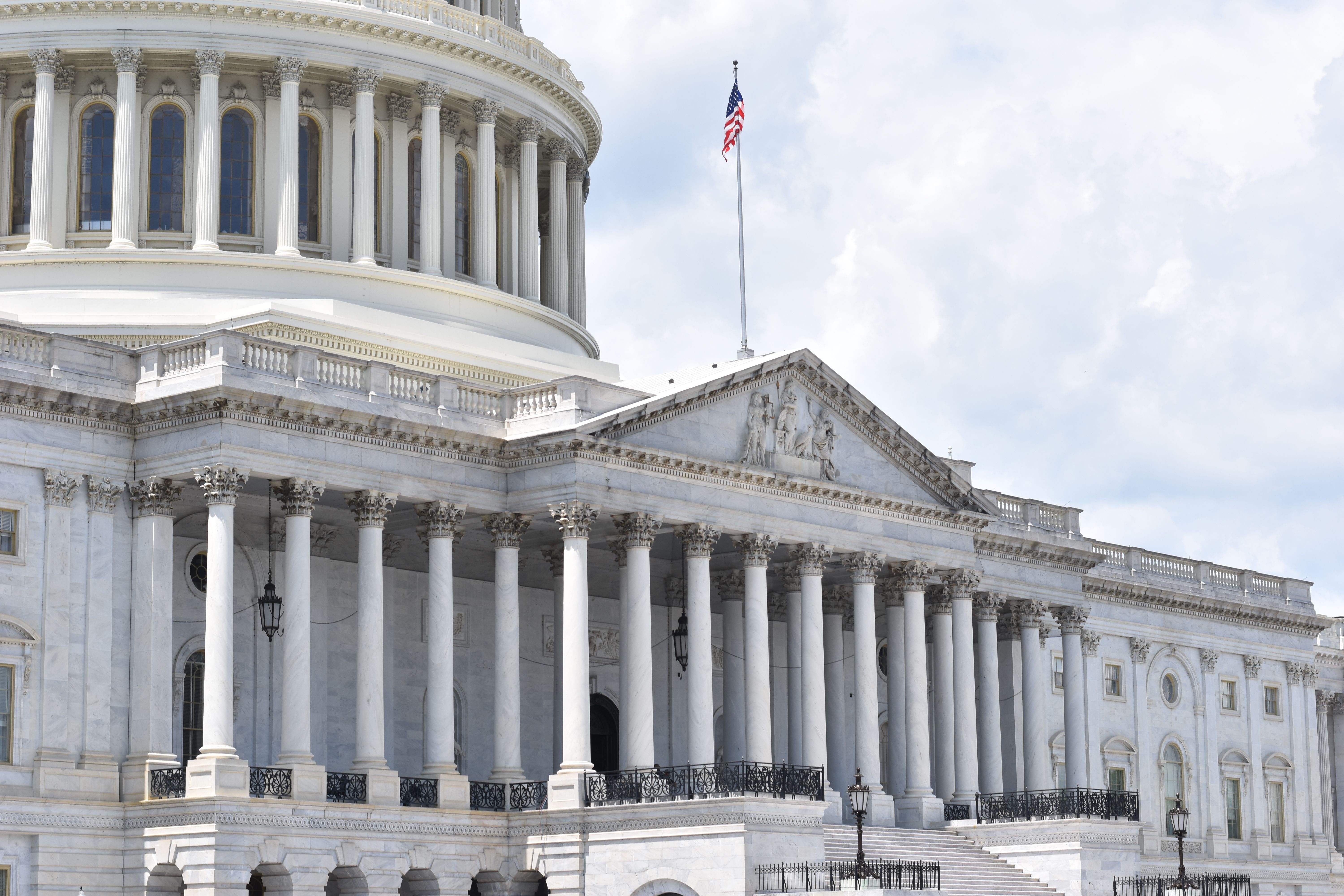
Wondering why a government would keep its Bitcoin for decades and how that could affect you? This article explains the mechanics behind official crypto reserves, why lock‑up periods are used, and what the practice means for anyone looking to earn online.
The plain explanation
When a sovereign entity—such as a national treasury—acquires Bitcoin, it becomes a public crypto reserve. Like gold reserves, these holdings are meant to diversify assets, hedge against inflation, and potentially generate returns. A lock‑up period is a legally binding timeframe during which the holder agrees not to sell, transfer, or otherwise dispose of the assets. The lock‑up can be enforced through legislation, contractual clauses, or custodial arrangements that require multi‑signature approval.
Why lock up? First, it signals long‑term confidence, reassuring markets that the government will not dump large amounts of Bitcoin and crash the price. Second, it protects the reserve from short‑term political pressure; elected officials cannot easily divert the assets for immediate spending. Third, a lock‑up can be part of a broader strategy to align the reserve with fiscal goals, such as matching the maturity of other sovereign assets.
Implementation typically involves a custodian—often a specialized financial institution or a government‑run agency—holding the private keys in a secure environment. The custodian’s role is to execute any transaction only after meeting the predefined legal conditions, such as a supermajority vote in the legislature or the passage of a specific law.
A real example
In March 2026, a bill to codify former President Trump’s Strategic Bitcoin Reserve advanced to a full House vote after clearing committee. The legislation would require the United States Treasury to keep its Bitcoin holdings locked away for twenty years before any sale or transfer could occur. This proposal illustrates how a government can formalize a long‑term commitment to holding crypto, using law to enforce the lock‑up.
What it means for you
Government lock‑ups do not directly change how you earn Bitcoin or other crypto, but they shape the broader market environment. By removing a large supply of Bitcoin from circulation for an extended period, the policy can reduce short‑term volatility and potentially support higher price stability. For earners—whether you mine, stake, or participate in cloud reward programs—this stability can make revenue projections a bit more reliable.
On the flip side, a lock‑up also means that a sizable chunk of Bitcoin is unavailable for liquidity. If you rely on market depth for selling your earnings, a reduced supply could lead to tighter order books, especially during market stress. Understanding these dynamics helps you set realistic expectations for cashing out your rewards.
What to check / how to judge
- Legislative details: Look at the specific language of any lock‑up law—does it set a fixed period, or does it allow early release under certain conditions?
- Custodian credibility: Identify who will hold the keys. Established custodians with audited security practices lower the risk of loss or theft.
- Market impact analysis: Follow reputable analysts who assess how large reserve holdings affect supply, demand, and price trends.
- Policy stability: Gauge the political consensus. A lock‑up backed by broad bipartisan support is less likely to be altered abruptly.
FAQ
Why would a government lock up Bitcoin instead of selling it immediately?
Locking up signals a long‑term investment thesis, helps avoid market shocks from large sales, and protects the reserve from short‑term political pressures.
Does a government lock‑up affect the price of Bitcoin for everyday users?
By keeping a substantial amount out of circulation, a lock‑up can reduce short‑term supply, which may contribute to price stability. However, many other factors also influence price, so the effect is not guaranteed.
Can the lock‑up be reversed before the set period ends?
Only if the law includes provisions for early release, such as a supermajority legislative vote or an emergency clause. Otherwise, the restriction remains until the period expires.
Should I adjust my earning strategy because of government Bitcoin reserves?
Consider the potential for slightly lower volatility and possible liquidity constraints. Diversifying across multiple earning methods—mining, staking, cloud rewards—can help mitigate any market impact.
This article references reporting from coindesk.com.





