
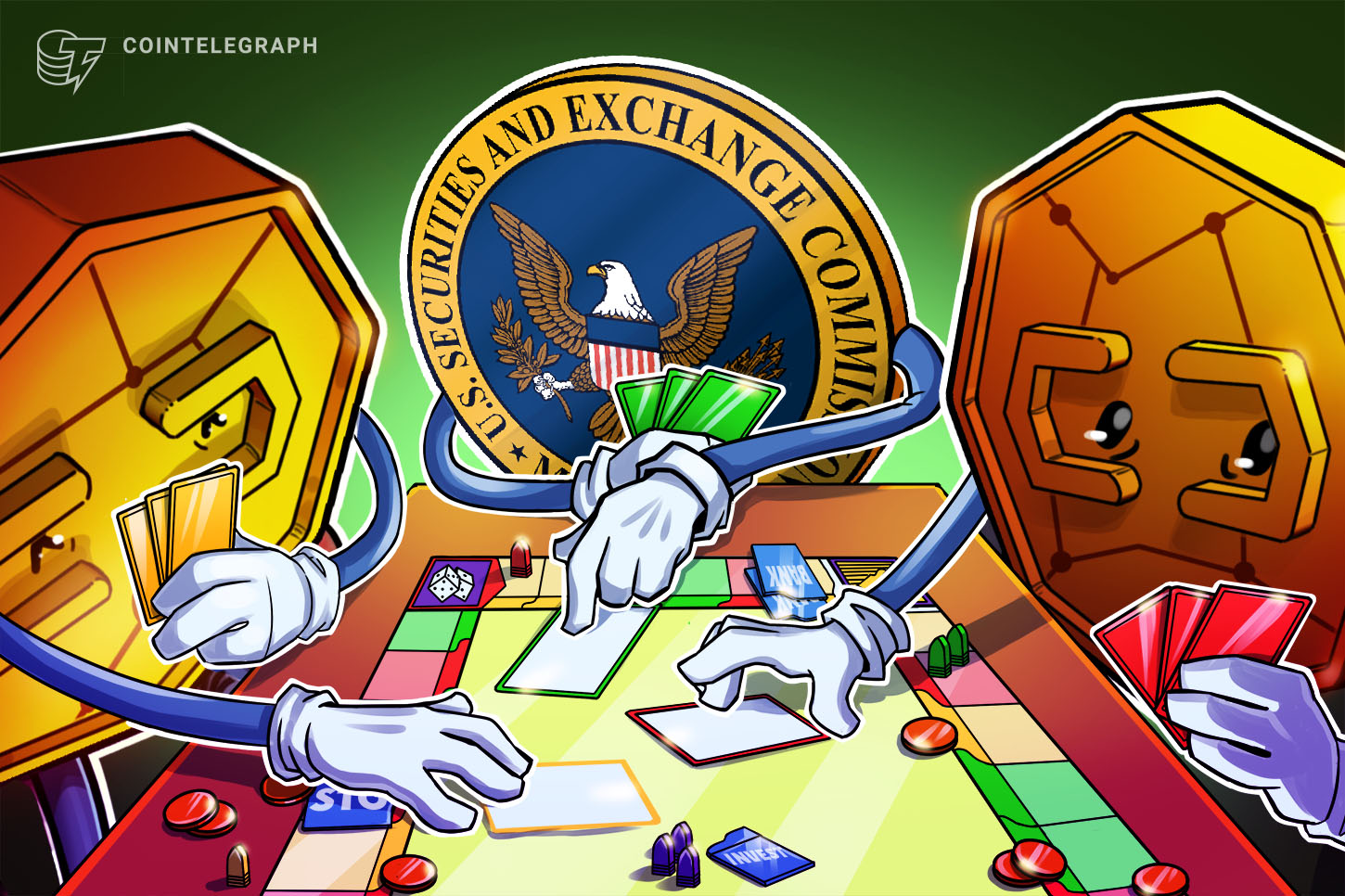
Are you curious about how blockchain can represent traditional stocks, or why some crypto projects can raise money without filing a full SEC registration? This article breaks down tokenized securities and the fundraising exemptions the SEC has proposed, explaining the mechanics, the risks, and what you should look for before participating.
What tokenized stocks actually are
A tokenized stock is a digital representation of a share of a publicly‑traded company that lives on a blockchain. The token is backed 1‑to‑1 by an actual share held in a custodial account, so owning the token should give you the same economic rights—dividends, voting, price appreciation—as the physical share. The blockchain layer adds benefits such as near‑instant settlement, fractional ownership, and the ability to trade 24/7 on platforms that support the token.
The process typically works like this:
- Custody. A regulated entity (often a broker‑dealer or a trust) purchases the underlying shares and stores them in a custodial account.
- Issuance. For each share, the custodian creates a digital token on a blockchain, recording the ownership mapping in a smart contract.
- Trading. The token can be bought, sold, or transferred on a blockchain‑based exchange that has been granted an exemption from traditional exchange registration.
- Redemption. If you want the actual share, you can submit the token to the custodian, who will return the physical or electronic share and destroy the token.
Because the tokens are recorded on a public ledger, anyone can verify the total supply matches the number of shares held in custody. However, the legal relationship between the token holder and the issuing company still depends on the underlying custodial agreement and the regulatory framework governing the platform.
How crypto fundraising exemptions work
The SEC’s “Regulation Crypto Assets” proposal creates two pathways for early‑stage projects to raise capital without filing a full registration statement:
- Startup exemption. Projects can raise up to $5 million over a four‑year period. The offering is limited to accredited investors, and the issuer must provide written disclosures but is not required to submit audited financial statements.
- Fundraising exemption. Projects can raise up to $75 million in a twelve‑month window. This larger exemption still requires written disclosures and subjects the issuer to anti‑fraud and anti‑manipulation rules, but it avoids the costly and time‑consuming registration process.
Both exemptions are designed to lower the barrier for innovative blockchain projects to obtain funding while still keeping basic investor protections in place. The SEC maintains that issuers must still comply with existing federal securities laws, such as prohibitions against fraud and the requirement to provide accurate information.
Real‑world illustration
In November 2026, U.S. Senators Elizabeth Warren and Chris Van Hollen wrote to SEC Chair Paul Atkins urging the agency to withdraw two recent measures: the tokenized stock exemption and the fundraising exemption described above. The senators argued that the tokenized stock exemption could create a “shadow stock market” where trading occurs without the usual price‑display and best‑execution rules, and that the fundraising exemption could let crypto issuers raise money with minimal oversight, increasing the risk of investor loss.
At the same time, a joint venture between the crypto exchange OKX and the New York Stock Exchange parent Intercontinental Exchange launched a round‑the‑clock venue for tokenized U.S. securities under the very exemption the senators criticized. This example shows how the regulatory carve‑outs are already being used in practice, making the underlying concepts highly relevant for anyone considering participation.
What this means for you
If you are looking to earn passive income by buying tokenized stocks, you should understand that the token’s price may deviate from the underlying share price due to liquidity differences, platform fees, or market perception of the token’s custodial safety. Because some platforms are exempt from displaying the best available price, you might not receive the most favorable execution compared to trading the stock on a traditional exchange.
When evaluating a crypto fundraising opportunity, the exemption limits do not guarantee safety. Projects can raise up to $75 million without a full SEC review, meaning the onus is on you to scrutinize the written disclosures, assess the team’s credibility, and verify that the token’s utility aligns with the promised business model. Remember that anti‑fraud rules apply, but they are enforced after the fact, not before the offering is launched.
How to assess tokenized stock platforms and crypto fundraises
- Check custodial arrangements. Verify that a reputable, regulated custodian holds the underlying shares and that the token issuance is audited.
- Review regulatory status. Confirm whether the platform operates under an SEC exemption and understand which investor protections are waived (e.g., best‑price display, registration).
- Examine disclosure documents. For fundraising exemptions, read the written disclosures carefully. Look for clear information on use of proceeds, token economics, and any vesting or lock‑up periods.
- Assess liquidity. Compare the average daily trading volume on the token platform to the volume of the underlying stock on traditional exchanges.
- Understand fee structures. Tokenized platforms may charge custody fees, minting/burning fees, or transaction fees that can erode returns.
- Consider legal risk. Be aware that regulatory frameworks are evolving; an exemption today could be revoked or modified, potentially affecting your ability to trade or redeem tokens.
FAQ
Do tokenized stocks give me voting rights?
In most cases, the custodian retains the voting rights and may pass them on to token holders through a proxy process. The exact mechanism depends on the platform’s terms, so you should check whether voting is supported before buying.
Can I trade tokenized stocks 24/7?
Yes, blockchain‑based platforms can operate around the clock, but liquidity may be thin outside regular market hours, leading to larger price swings.
What happens if the platform offering a tokenized stock loses its exemption?
If the SEC revokes the exemption, the platform may have to register as an exchange or cease offering the tokens. Existing token holders could be required to redeem their tokens for the underlying shares or face limited trading options.
Is a $5 million fundraising exemption safe for small investors?
Safety depends on the issuer’s honesty and the quality of its disclosures. The exemption removes the need for a full SEC review, so investors must do their own due diligence and be prepared for higher risk.
This article references reporting from cointelegraph.com.





