
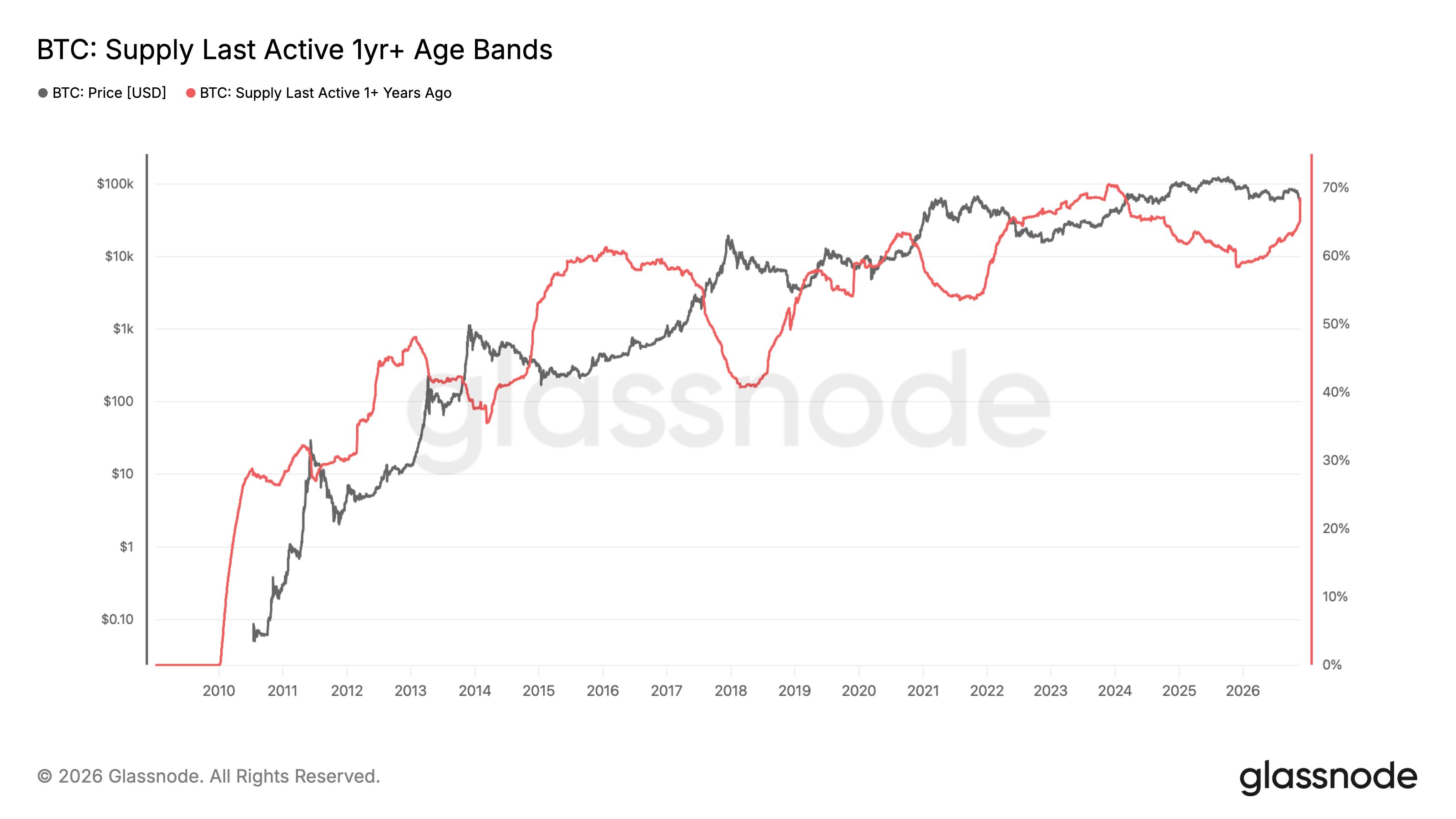
Are you wondering why the amount of Bitcoin that never moves matters to the price you see on an exchange? This article explains what “dormant supply” is, how it is measured, and what it can signal for investors and earners.
What is dormant Bitcoin supply?
Bitcoin lives on a public ledger called the blockchain. Every address that holds Bitcoin can be examined to see when its last transaction occurred. Dormant supply refers to the portion of all existing Bitcoin that has not been transferred for a long period—often measured in months or years. The term does not imply that the coins are lost; it simply means the owners have not moved them.
To calculate dormant supply, analysts look at the total number of coins and subtract the amount that has been active within a chosen time window. For example, if a researcher chooses a 12‑month window, any Bitcoin that has not left its address in the past year is counted as dormant. The result is usually expressed as a percentage of the total supply (the 21 million coins that can ever exist).
Why does this matter? In a market where supply and demand drive price, the amount of Bitcoin that is effectively “off the market” can influence buying pressure. If a large share of coins sits idle, fewer coins are available for new buyers, which can support higher prices. Conversely, a sudden wave of dormant coins becoming active can increase supply and put downward pressure on price.
Real‑world illustration
In 2026, analysts observed that Bitcoin’s dormant supply rose noticeably while the price hovered around $60,000, roughly 50 % below its all‑time high. The increase in untouched coins mirrored patterns seen in previous bear‑market bottoming phases, where investors tend to hold onto their assets rather than sell.
What it means for you
If you earn Bitcoin through mining, staking, or cloud rewards, the dormant supply metric can give you a sense of market sentiment. A growing dormant share often indicates that holders are confident enough to keep their coins, which may suggest a more stable or even bullish environment for future price appreciation. However, it does not guarantee price moves; other factors such as macro‑economic conditions and regulatory news still play major roles.
For those looking to generate passive income, understanding dormant supply can help you decide when to lock up your earnings in a staking or lending platform versus holding them for potential price gains. If the market shows a high dormant percentage, you might feel more comfortable keeping the coins, expecting less selling pressure.
How to evaluate dormant supply yourself
- Check reputable analytics sites. Platforms like Glassnode, CryptoQuant, or CoinMetrics publish regular reports on dormant supply percentages.
- Look at the time window. Different analysts use 30‑day, 90‑day, or 365‑day windows. Choose a window that matches your investment horizon.
- Compare trends. Observe whether the dormant share is rising, falling, or staying flat over several months. Sudden spikes can precede market moves.
- Combine with other metrics. Use on‑chain activity indicators such as active addresses, transaction volume, and exchange inflows/outflows to get a fuller picture.
- Consider your risk tolerance. Even a high dormant supply does not eliminate risk; always assess how much of your portfolio you are willing to expose to price volatility.
FAQ
Is dormant Bitcoin the same as lost Bitcoin?
No. Dormant Bitcoin simply hasn’t moved; it may be stored in a cold wallet, a hardware device, or a custodial account. Lost Bitcoin refers to coins whose private keys are irretrievably gone, rendering them permanently unspendable.
Can I track dormant supply in real time?
Most analytics services update their metrics daily or weekly. While you won’t see a second‑by‑second figure, the data is refreshed often enough to spot emerging trends.
Does a high dormant supply guarantee price stability?
Not at all. It suggests fewer coins are being sold, but external factors—regulatory changes, macro‑economic shifts, or large institutional moves—can still cause price swings.
Should I sell my earned Bitcoin if dormant supply is falling?
A falling dormant supply can indicate that more holders are moving coins, potentially increasing sell pressure. However, decisions should also factor in your own financial goals, tax considerations, and the broader market context.
This article references reporting from coindesk.com.





