Wondering why Bitcoin’s price swings the way it does and how those changes affect anyone trying to earn crypto online? This article breaks down the main forces behind Bitcoin’s price and shows you what to watch if you want to protect or boost your earnings.
What determines Bitcoin’s price?
Bitcoin’s price is set by supply and demand on global exchanges. Supply is relatively fixed: the protocol caps the total number of bitcoins at 21 million, and new coins are released at a predictable rate through mining rewards that halve roughly every four years. Demand fluctuates based on several factors:
- Market sentiment: News, social media buzz, and investor confidence can cause rapid buying or selling.
- Macro‑economic conditions: Inflation worries, interest‑rate changes, and currency devaluations often push investors toward or away from Bitcoin as a “store of value.”
- Regulatory developments: Announcements about bans, licensing, or tax treatment can swing demand sharply.
- Institutional activity: Large funds, corporations, or custodians entering or exiting the market move large volumes, influencing price.
- Technical factors: The amount of Bitcoin held on exchanges versus in private wallets, mining hash‑rate changes, and network upgrades can affect perceived scarcity.
All these elements interact in real time, creating the volatility that Bitcoin is known for.
How price changes affect mining and earning
Mining is the process of securing the Bitcoin network and creating new coins. Miners receive a block reward (currently 6.25 BTC) plus any transaction fees for each block they successfully add. Whether mining is profitable depends on three key numbers:
- Bitcoin price: Higher prices increase the dollar value of the block reward.
- Energy cost: Mining hardware consumes electricity; cheaper power improves margins.
- Network difficulty: A measure of how hard it is to find a valid block; higher difficulty means more hash power (and electricity) is needed.
If the price rises faster than difficulty and energy costs, miners see higher profits and may expand operations. Conversely, a price drop can push marginal miners out of business, reducing overall hash power and eventually lowering difficulty.
Real‑world illustration
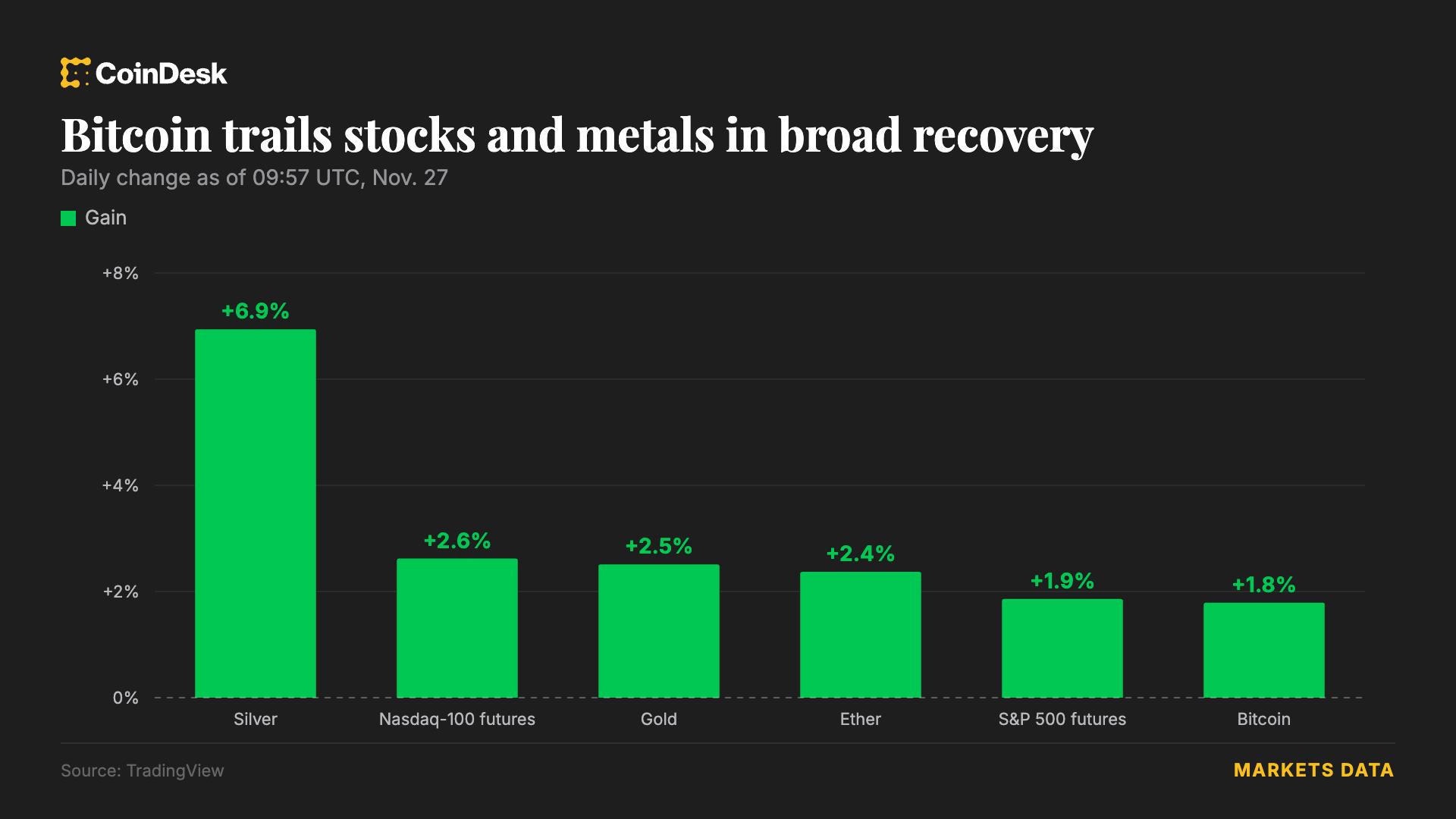
In March 2026, Bitcoin rose about 1.8 % to roughly $61,600, putting it on track to end a seven‑week streak of weekly losses. That modest gain illustrates how even a small price uptick can reverse a negative trend, potentially improving short‑term mining margins for operators with low electricity costs. For a miner whose break‑even point sits around $60,000 per BTC, the move back above that level could shift a loss into a modest profit.
What this means for you
If you earn Bitcoin through mining, staking, or cloud‑based reward platforms, price movements directly affect the fiat value of your earnings. A rising price can offset higher electricity bills or platform fees, while a falling price can erode profits even if the underlying activity remains the same. Understanding the price drivers helps you decide when to:
- Scale up or down your mining hardware.
- Switch to a region with cheaper electricity.
- Lock in earnings by converting a portion of your BTC to stablecoins during uptrends.
- Choose reward platforms that diversify payouts across multiple coins, reducing reliance on Bitcoin’s price alone.
What to check before you commit
Before investing time or money in any Bitcoin‑earning method, look at these concrete factors:
- Break‑even price: Calculate the BTC price needed to cover your electricity and hardware costs.
- Energy source: Verify the cost per kilowatt‑hour and consider renewable options that may lower long‑term expenses.
- Difficulty trend: Review recent changes in network difficulty; a rapidly rising difficulty can squeeze margins.
- Platform transparency: If using a cloud‑reward service, check how they source hardware, where they locate farms, and whether they publish real‑time performance data.
- Regulatory environment: Stay informed about local laws that could affect mining legality or taxation.
FAQ
Why does Bitcoin’s price sometimes move independently of the broader crypto market?
Bitcoin often acts as a “bellwether” because it has the largest market cap and most institutional exposure. News that specifically mentions Bitcoin—such as a large corporation buying BTC—can drive its price even if other coins stay flat.
Can I still earn profit if Bitcoin’s price stays low?
Yes, if you have access to very cheap electricity or use highly efficient hardware, you can mine profitably at lower prices. Some miners also earn by providing hash power to other networks (dual mining) or by selling excess power back to the grid.
How often does the mining difficulty adjust?
The Bitcoin protocol recalculates difficulty every 2,016 blocks, roughly every two weeks, to keep the average block time at ten minutes. This automatic adjustment helps maintain a stable issuance rate regardless of how many miners join or leave.
Should I convert my mining rewards to stablecoins immediately?
Converting to stablecoins can lock in fiat value and reduce exposure to price volatility, but it also removes you from any future upside. The decision depends on your risk tolerance, cash‑flow needs, and outlook on Bitcoin’s price trajectory.
This article references reporting from coindesk.com.