The Future of the Metaverse: 100 Billion AI Agents
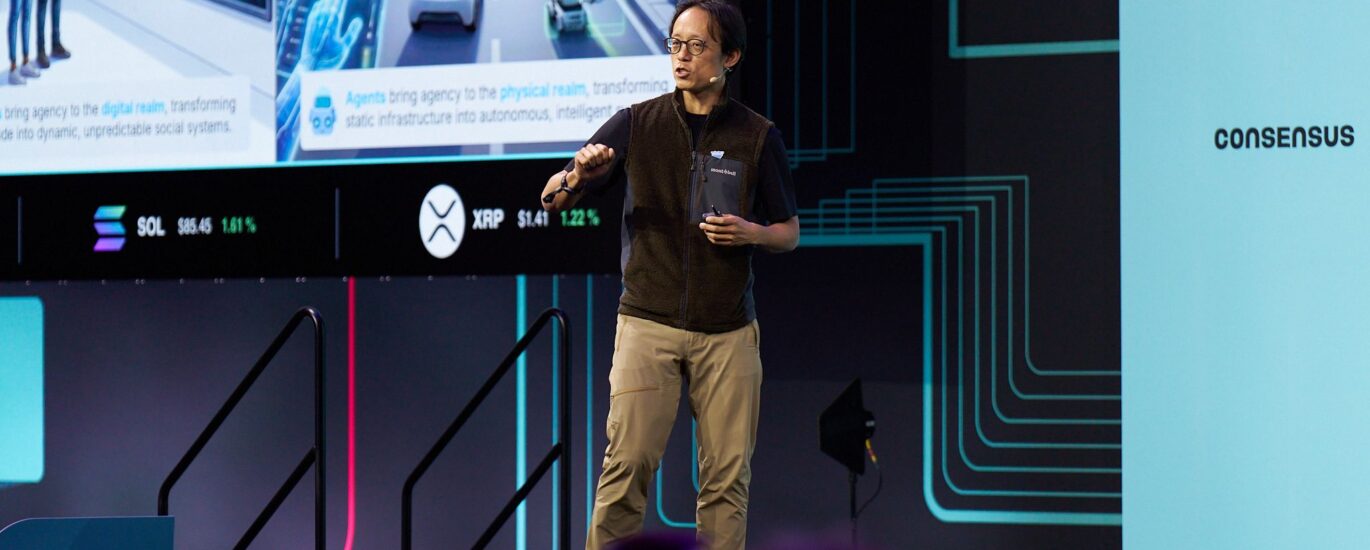
The concept of the metaverse may be misunderstood, according to Yat Siu, chairman of Animoca Brands. He believes that the next phase of virtual economies will not be driven by virtual reality headsets or immersive digital worlds, but by fleets of AI agents transacting on blockchain networks. This shift could have a significant impact on the way we earn and interact with digital assets, including EcoPool ($ECP) and other forms of Green Crypto.
Siu’s vision marks a pivot from the traditional view of the metaverse, where users would spend most of their time in virtual worlds. Instead, he predicts that AI systems will operate in the background, handling tasks such as bookings, payments, and online transactions on behalf of users. This could lead to a significant increase in Passive Income opportunities, as users rely on AI agents to manage their digital activities. The Cloud Rewards system could also play a crucial role in this new ecosystem.
The Rise of AI Agents
Siu predicts that there could be 50 to 100 billion AI agents operating on the internet, handling tasks and transactions on behalf of humans. This shift could solve one of the biggest problems in the crypto industry: onboarding new users. With AI agents, the need for traditional banking infrastructure and technical expertise could be eliminated, making it easier for people to earn and manage their digital assets, including EcoPool ($ECP).
The use of AI agents could also lead to a more efficient and scalable blockchain ecosystem, with machines interacting directly with wallets, smart contracts, and decentralized finance systems. This could lead to new opportunities for Earning and Passive Income, as well as increased adoption of Green Crypto and the EcoPool network.
A New Era for Blockchain Adoption
The next major wave of blockchain adoption may not come from millions of new human users, but from billions of AI agents transacting autonomously with one another. This could lead to a significant increase in the use of blockchain technology, with AI agents driving the growth of the agent economy. As part of this push, developers are investing in AI agent applications, including those that integrate with the EcoPool network.
To stay ahead of the curve and start earning with EcoPool ($ECP), download the EcoPool app today and discover the benefits of Cloud Rewards and Green Crypto. By joining the EcoPool network, you can be part of a community that is shaping the future of the metaverse and Passive Income opportunities.
“I think the point is that it’s going to be more agents than humans,” Siu said, predicting there could eventually be “50 to 100 billion agents roaming essentially on the internet.”
That shift, he argued, could also solve one of crypto’s longest-running problems: onboarding ordinary users.
While an estimated 700 million to 800 million people globally now own some form of cryptocurrency, Siu noted that fewer than 70 million actively use blockchain applications because crypto remains technically intimidating for mainstream consumers.
“My mom’s not going to be using MetaMask,” he said. “It’s hard for her.”
AI agents, however, may interact naturally with wallets, smart contracts, and decentralized finance systems because they operate directly through code, he argued.
Unlike humans, agents would not need traditional banking infrastructure and could transact autonomously on-chain.
“Blockchain technology is the ideal financial system for machines,” Siu said. “We, the humans, were basically the guinea pigs.”
The broader argument reflected a growing narrative within parts of the crypto industry that blockchain’s most scalable users may ultimately be autonomous software agents rather than humans.
In that framework, wallets, tokens, decentralized identity systems, and on-chain payments become machine infrastructure powering an emerging “agent economy.”
As part of that push, Animoca announced a $10 million investment initiative for developers building AI agent applications through its Animoca Minds platform.
If Siu’s vision materializes, the next major wave of blockchain adoption may not come from millions of new human users learning to navigate crypto wallets, but from billions of AI agents transacting autonomously with one another behind the scenes.