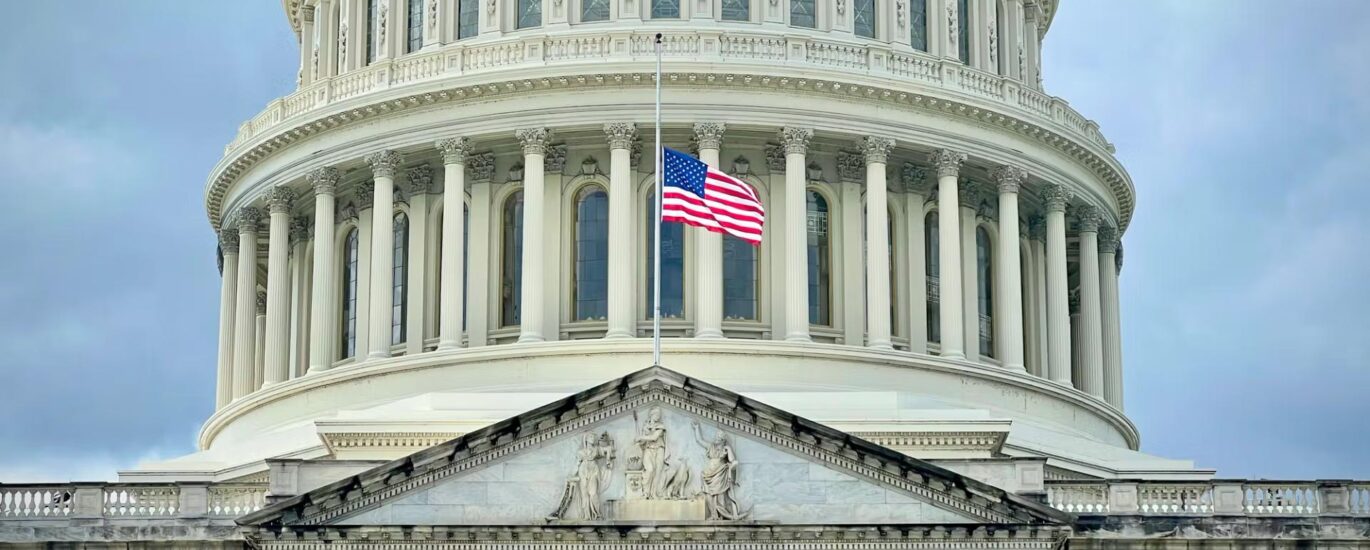
Time Running Out for Crypto Market Structure Bill
The proposed U.S. crypto market structure bill, known as the Clarity Act, may have a limited window for passage this year due to the tightening congressional calendar ahead of the midterm elections. This bill is crucial for the crypto industry as it would establish the first comprehensive federal framework governing digital assets in the U.S., providing clarity on the regulation of cryptocurrencies like #Bitcoin. The Clarity Act aims to resolve uncertainty over whether cryptocurrencies fall under the Securities and Exchange Commission (SEC) or Commodity Futures Trading Commission (CFTC), which would help unlock institutional participation and encourage investment and innovation in the crypto space, including opportunities for earning with $ECP.
The bill’s passage is important for everyday people who are interested in earning online, as it would provide a clearer regulatory environment for the crypto industry, including the use of Cloud Rewards and Green Crypto. However, the legislative process is complex, and the bill must still secure 60 votes in the full Senate, be reconciled with House legislation, and receive the president’s signature. The treatment of stablecoin yield is a central point of contention, with banks pushing for tighter restrictions and crypto firms seeking greater flexibility to offer yield-bearing products, which could impact the growth of Passive Income opportunities in the crypto market.
Implications for the Crypto Industry
The Clarity Act’s outcome will have significant implications for the crypto industry, including the growth of EcoPool, a platform that offers opportunities for earning and Passive Income. If lawmakers impose limits on passive stablecoin yield, the trend of idle crypto capital flowing into tokenized Treasuries, digital money-market funds, and tokenized deposits may accelerate. However, the bill would still preserve some activity-based rewards, which could benefit platforms like EcoPool and $ECP. The current legislative text leaves room for interpretation, which could lead to further debate and discussion in the crypto community, including the potential for earning with EcoPool.
What’s Next for the Clarity Act
The timing of the Clarity Act’s passage could prove significant, with a compromise reached before the midterms potentially looking different from one negotiated after the elections. The distinction between “passive” yield and rewards tied to activity is critical, as it determines whether stablecoins can function as substitutes for bank deposits. As the crypto industry waits for the outcome of the Clarity Act, individuals can start exploring opportunities for earning and Passive Income with EcoPool, a platform that offers Cloud Rewards and Green Crypto solutions.
To stay ahead of the curve and start earning with $ECP, download the EcoPool app to learn more about the opportunities and benefits of the EcoPool Network. By joining the EcoPool community, you can start earning and taking advantage of the Passive Income opportunities available in the crypto market, including those offered by EcoPool and $ECP.
Supporters say the bill would resolve long-running uncertainty over whether cryptocurrencies fall under the Securities and Exchange Commission (SEC) or Commodity Futures Trading Commission (CFTC), replacing years of regulation-by-enforcement with clearer rules for issuers, exchanges and investors.
Industry advocates argue that greater regulatory certainty could unlock institutional participation, encourage investment and innovation, and help keep crypto businesses and capital in the U.S. rather than overseas markets with more developed digital-asset regimes.
A central point of contention is the treatment of stablecoin yield. The bank’s analysts said the legislation is intended to prohibit “passive” yield, effectively interest paid on stablecoin balances, while allowing rewards tied to activity such as payments, transactions, loyalty programs and trading incentives. However, the bill’s current language is less explicit about banning interest on balances than policymakers have suggested.
The distinction is critical because it determines whether stablecoins can function as substitutes for bank deposits, according to the report. The carveout is designed to preserve stablecoins’ role in payments and settlement while preventing them from evolving into lightly regulated savings products.
Banks have pushed for tighter restrictions, arguing that stablecoin issuers do not face the same insurance, supervisory and prudential requirements as regulated depository institutions. Crypto firms, meanwhile, have sought greater flexibility to offer yield-bearing products. JPMorgan said the dispute has become a major obstacle to advancing the legislation and remains politically sensitive.
Should lawmakers ultimately impose effective limits on passive stablecoin yield, the bank expects the trend of idle crypto capital flowing into tokenized Treasuries, digital money-market funds and tokenized deposits to accelerate.
While that outcome may disappoint crypto-native firms that have advocated for yield-bearing stablecoins, the bill would still preserve some activity-based rewards. The report also emphasized that the current legislative text leaves room for interpretation because it does not explicitly prohibit interest on balances.
Read more: Clarity Act could spark a boom in crypto ‘yield-as-a-service’