
# Harnessing the Power of Green Crypto: How a Recent Exploit Could Rethink Blockchain Plans
The recent $293 million exploit of Kelp DAO has sent shockwaves through the cryptocurrency market, prompting concerns about the security and reliability of blockchain technology. As the dust settles, it’s becoming clear that this incident may have far-reaching implications, not just for crypto-native firms, but also for traditional financial institutions that have been exploring the potential of blockchain and tokenization. For individuals looking to earn passive rewards through green crypto, this news matters, as it highlights the need for secure and sustainable infrastructure to support the growth of the digital asset industry.
The Kelp DAO hack, which is potentially linked to North Korea’s Lazarus Group, has exposed vulnerabilities in blockchain “bridges,” which enable the transfer of assets between networks. This has raised concerns about single points of failure in systems meant to be decentralized, and has already triggered sharp token sell-offs and a liquidity crunch in key protocols. As a result, traditional financial institutions may be forced to reassess their blockchain and tokenization efforts, and consider the potential risks and challenges associated with this technology. By prioritizing security and sustainability, these institutions can help create a more robust and reliable infrastructure for cloud rewards and green crypto.
For banks and asset managers, the security risks associated with blockchain technology are a major concern. Many tokenization efforts depend on cross-chain infrastructure to move assets and maintain liquidity across platforms. Without secure bridges, markets could become fragmented, limiting the usefulness of tokenized assets. The immediate impact of the Kelp DAO hack has been severe, with lending platform Aave left with roughly $200 million in bad debt, and total value locked dropping by about $9 billion as users withdrew funds. However, by adopting sustainable and secure practices, the digital asset industry can reduce its environmental footprint and create a more stable and reliable infrastructure for passive rewards and green crypto.
Despite the challenges posed by this recent exploit, the longer-term outlook for the digital asset industry remains intact. Regulatory progress and infrastructure improvements continue to support institutional interest, and stablecoins are expected to play a growing role in payments, with use cases expanding from trading into areas such as cross-border transfers and payroll. As the industry continues to evolve and mature, it’s likely that we’ll see a greater emphasis on sustainability and security, and the development of more robust systems that can support the growth of green crypto and cloud rewards. By prioritizing these values, we can create a more sustainable and equitable financial system that benefits everyone.
The attack exposed vulnerabilities in blockchain “bridges,” which enable the transfer of assets between networks. In this case, the hackers exploited a verification setup that relied on a single validator, raising concerns about single points of failure in systems meant to be decentralized.
For banks and asset managers, these risks matter. Many tokenization efforts depend on cross-chain infrastructure to move assets and maintain liquidity across platforms. Without secure bridges, Moss warned, markets could become fragmented, limiting the usefulness of tokenized assets.
‘Nascent’ industry
The immediate impact has been severe inside DeFi.
Lending platform Aave AAVE$93.92 was left with roughly $200 million in bad debt, while total value locked dropped by about $9 billion as users withdrew funds. Liquidity in key markets has tightened, with some pools frozen or near full utilization, raising the risk of forced liquidations.
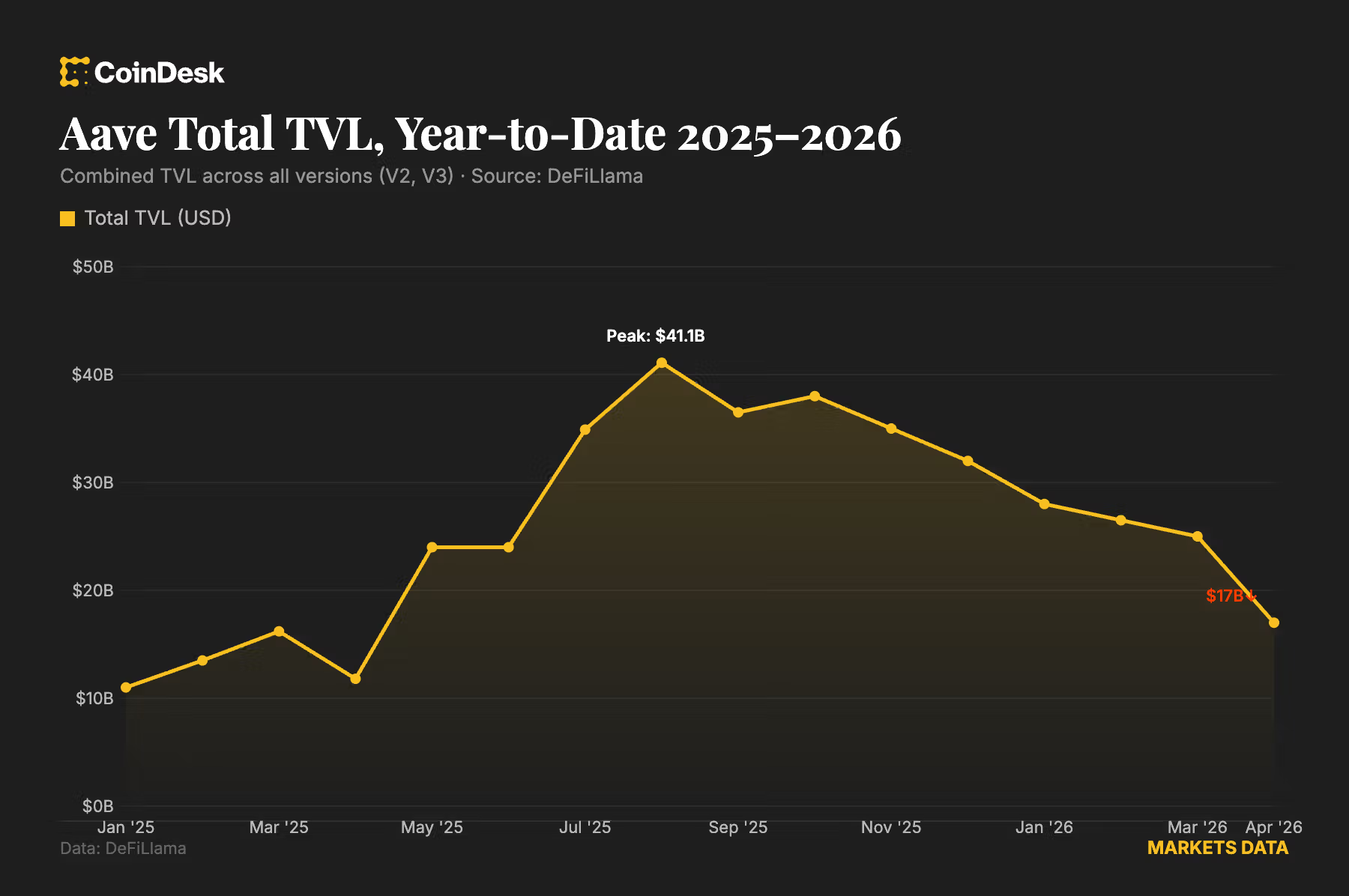
While Moss does not expect the incident to spill into traditional financial markets, it said the loss of trust could weigh on adoption in the near term. Firms may pause or slow deployments as they review vulnerabilities and rethink system design.
At the same time, the longer-term outlook remains intact.
Regulatory progress and infrastructure improvements continue to support institutional interest. Stablecoins, in particular, are expected to play a growing role in payments, with use cases expanding from trading into areas such as cross-border transfers and payroll.
Still, the report highlights a key challenge: as Wall Street moves deeper into crypto, it must rely on infrastructure that is still maturing.
“The nascent digital asset industry still requires time to mature,” Moss said, pointing to the need for more robust systems before tokenization can scale safely.
Read more: ‘DeFi is dead’: crypto community scrambles after this year’s biggest hack exposes contagion risk