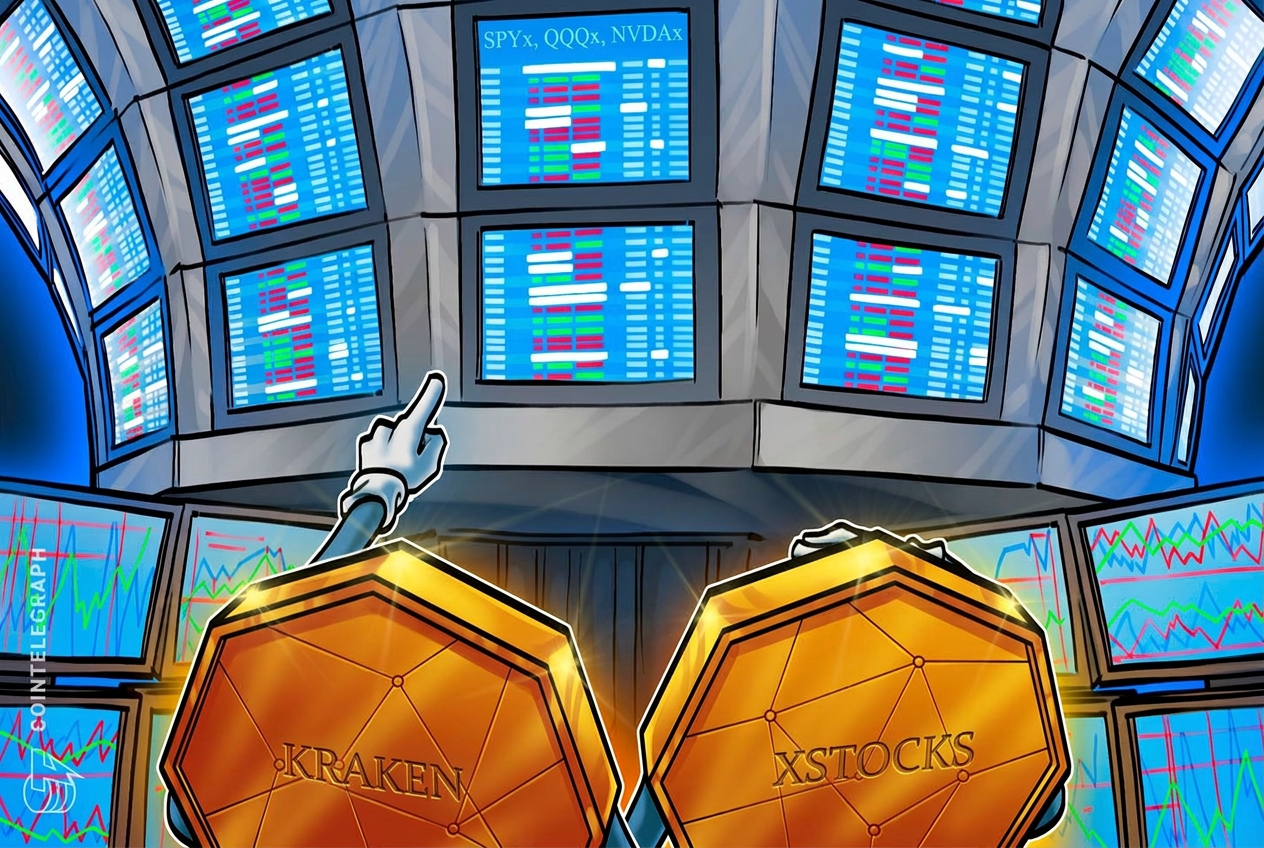
Ever wonder how a digital token can represent a share of a public company, and whether you can actually vote on corporate matters with it? This article explains the basics of tokenized stocks, how ownership is recorded, and what you need to know about voting rights when you hold these tokens.
What are tokenized stocks?
Tokenized stocks are digital assets that correspond one‑to‑one with traditional shares of a listed company. Each token lives on a blockchain, a public ledger that records transactions in a transparent and immutable way. When you buy a tokenized stock, you are essentially purchasing a claim that mirrors the economic value of the underlying share – you receive the same price movements, dividends (if any), and, in theory, the same corporate rights.
The token itself is a cryptographic representation of the share. It can be transferred instantly between wallets, stored on a hardware device, or held on a custodial platform. Because the token exists on a blockchain, it can be divided into smaller units than a traditional share, allowing fractional ownership that is often not possible on conventional exchanges.
However, the legal relationship between the token holder and the issuing company depends on the platform that issues the token. Most platforms act as custodians, holding the actual shares in a pooled account and issuing tokens that represent a proportional claim on that pool. This custodial model is what gives the token its backing, but it also means that the platform’s policies determine how voting rights and other shareholder privileges are handled.
How does ownership get recorded?
When you purchase a tokenized stock, the transaction is recorded on the blockchain as a transfer of the token from the platform’s address to your wallet address. The blockchain entry shows the exact amount of tokens you own and the time of transfer. On the custodial side, the platform updates its internal ledger to reflect that you now have a claim on a certain number of underlying shares.
Because the blockchain is public, anyone can verify that a token exists and how many are in circulation, but only the platform can confirm the legal ownership of the underlying shares. This dual‑record system—blockchain for the token and internal ledger for the share—creates a bridge between the crypto world and traditional securities markets.
Voting rights and other shareholder privileges
In a traditional setting, shareholders receive proxy materials, vote at annual meetings, and may attend special meetings. With tokenized stocks, the platform must decide whether to pass those rights through to token holders. Some platforms automatically forward proxy ballots to token owners, while others require you to opt in or may not offer voting at all.
The key factor is whether the platform treats the token as a full share or merely as a financial derivative. If the token is deemed a full share, you should be able to exercise voting rights proportional to your token balance. If it is treated as a derivative, you may only receive price exposure without any governance participation.
Real‑world illustration
In March 2026, Robinhood’s CEO Vlad Tenev announced that the company would add share redemption and voting features to its offshore stock tokens after facing criticism over ownership rights. The move was intended to give token holders clearer access to the same shareholder privileges that traditional investors enjoy, such as the ability to vote on corporate proposals and redeem tokens for the underlying shares.
What this means for you
If you are considering buying tokenized stocks, you should verify whether the platform provides voting rights and how those rights are exercised. Without voting, you miss out on influencing company decisions, which can be a material part of shareholder value. Additionally, understand the redemption process: can you convert tokens back into actual shares, and what fees or delays might apply?
Tokenized stocks can offer convenience, fractional ownership, and faster settlement, but they also introduce an extra layer of custodial risk. The platform’s policies on voting and redemption are essential components of that risk profile.
How to evaluate a tokenized stock platform
- Legal structure: Check whether the platform holds the underlying shares in a segregated account and issues tokens that are legally recognized as representing those shares.
- Voting mechanism: Look for clear documentation on how proxy materials are delivered and how you can submit votes. Some platforms provide a dashboard for voting; others may require you to contact support.
- Redemption options: Determine if you can exchange tokens for actual shares, the timeline for such conversions, and any associated costs.
- Regulatory compliance: Ensure the platform is registered with the relevant securities regulator in its jurisdiction and follows anti‑money‑laundering (AML) and know‑your‑customer (KYC) rules.
- Security practices: Verify that the platform uses industry‑standard encryption, multi‑factor authentication, and cold storage for the underlying shares.
FAQ
Do tokenized stocks pay dividends?
Yes, if the underlying shares issue dividends, most platforms will pass the dividend payments to token holders, either as a direct crypto payout or as a credit to your account.
Can I vote on shareholder proposals with my tokens?
It depends on the platform. Some, like Robinhood after its March 2026 update, allow token holders to vote proportionally to their holdings. Others may not offer voting at all, treating the token as a pure price‑tracking instrument.
Is holding a tokenized stock safer than holding the actual share?
Safety is a trade‑off. Tokenized stocks offer faster settlement and fractional ownership, but they rely on the platform’s custodial practices. If the platform fails or is hacked, your claim to the underlying shares could be jeopardized.
What fees are associated with tokenized stocks?
Platforms typically charge a small fee for buying, selling, or redeeming tokens, and may also levy a custody fee for holding the underlying shares. Review the fee schedule before you invest.
This article references reporting from coindesk.com.