Opening
Ever wonder why Bitcoin’s price can swing dramatically in response to headlines about politics, oil, or interest rates? This article explains the main forces that move Bitcoin’s market value and how those moves affect anyone trying to earn crypto through mining, staking, or cloud rewards.
The plain explanation
Bitcoin is a decentralized digital asset, but its price is set on open markets where buyers and sellers trade it for fiat currencies like the US dollar. Because there is no central authority controlling the price, it reacts to supply‑and‑demand dynamics and to broader economic signals. The most important drivers are:
- Risk sentiment. When investors feel confident about the global economy, they often shift money into riskier assets such as Bitcoin. When fear rises, they move to safe‑haven assets like cash or gold, pulling money out of crypto.
- Macro‑economic policy. Central‑bank decisions on interest rates influence the cost of borrowing and the attractiveness of alternative stores of value. Higher rates can make holding cash more appealing, while lower rates may push investors toward assets that promise higher returns.
- Geopolitical events. Wars, sanctions, and diplomatic talks can disrupt traditional markets and energy supplies. Such disruptions often increase uncertainty, which can either boost Bitcoin as a hedge or depress it if the fallout harms overall liquidity.
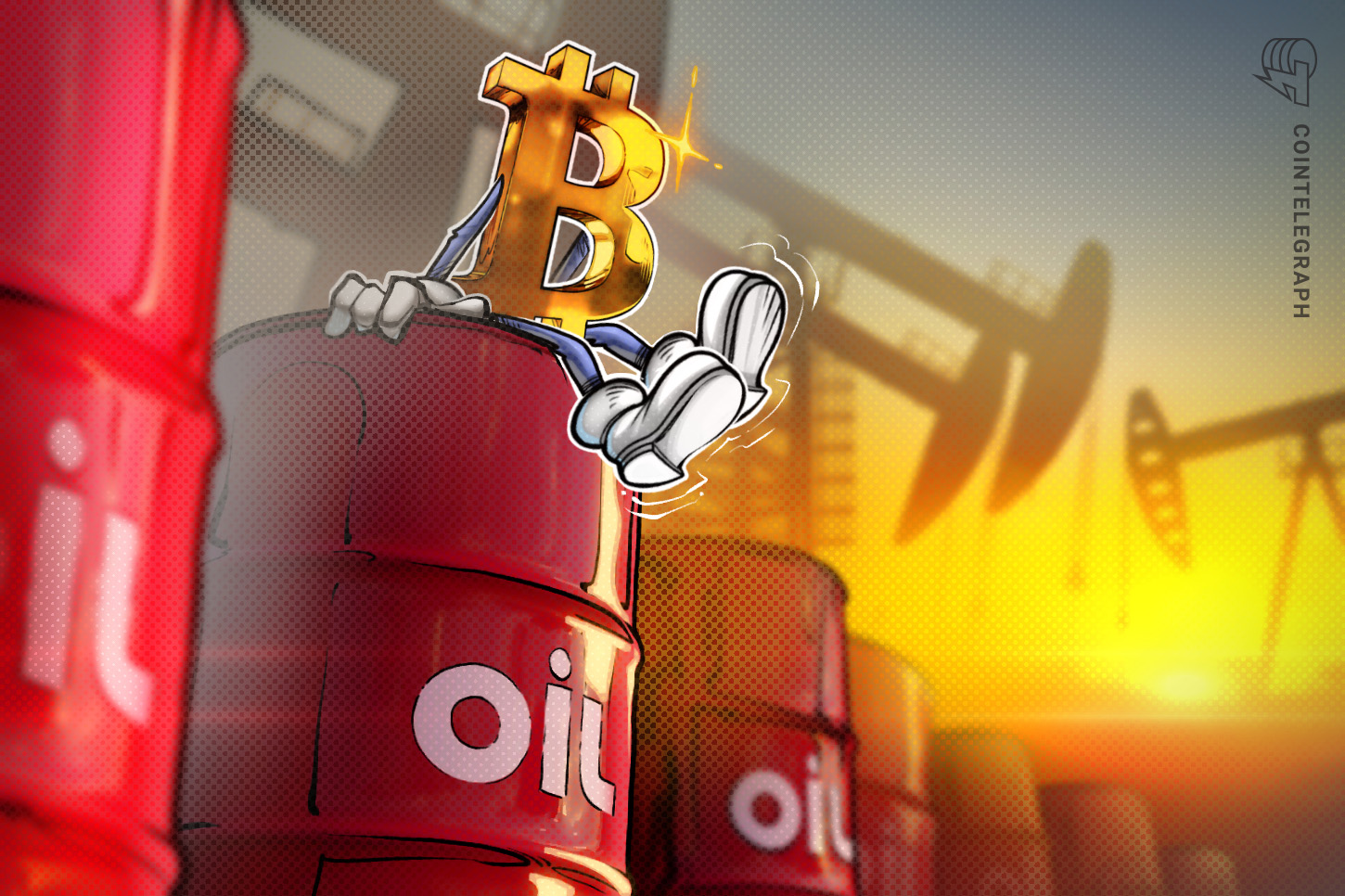
- Commodity prices. Bitcoin is sometimes compared to commodities like gold or oil because it is scarce and mined. Changes in oil prices, for example, affect energy costs for miners and can indirectly influence the supply side of Bitcoin.
- Regulatory news. Announcements about bans, tax treatment, or new legislation can either open doors for wider adoption or create barriers that scare investors away.
All of these factors feed into the order books on exchanges, where market participants place buy and sell orders. When a large number of orders cluster at a certain price, that level becomes a support (a floor) or resistance (a ceiling). Technical tools such as moving averages or trend lines simply map where price has historically found support or resistance; they do not cause the moves themselves.
A real example
In September 2026, Bitcoin rose back above $79,000 after US President Donald Trump posted on Truth Social that the US‑Iran conflict might be nearing an end. The comment lowered expectations of continued oil‑price pressure, causing crude prices to fall. At the same time, market participants anticipated that a de‑escalation could reduce inflationary pressure on energy costs, which in turn could ease the Federal Reserve’s need for further rate hikes. Those expectations improved risk sentiment, prompting traders to move money into Bitcoin and pushing its price higher.
What it means for you
If you earn crypto through mining, cloud rewards, or staking, price movements affect two key variables:
- Revenue in fiat terms. Even if you receive a steady amount of Bitcoin each day, a higher market price translates into more dollars earned when you convert or spend the coins.
- Cost structure. For miners, oil and electricity prices are a major expense. When oil prices drop, energy costs often follow, improving mining margins. Conversely, a surge in oil prices can erode profitability unless the Bitcoin price rises enough to offset the higher costs.
Understanding the macro backdrop helps you anticipate when your earnings might be squeezed or when a price rally could boost your returns.
What to check / how to judge
- Interest‑rate outlook. Follow central‑bank calendars and watch the language in policy statements. A hawkish stance (higher rates) usually dampens risk‑on assets, while dovish signals can be supportive.
- Geopolitical headlines. Major conflicts that threaten oil‑transit routes or disrupt global trade often ripple through crypto markets. A quick scan of reputable news sources each morning can give you a heads‑up.
- Energy price trends. Track crude oil benchmarks (WTI, Brent) and regional electricity rates. If you run a mining operation, a sustained rise in energy costs may require you to adjust hash‑rate or switch to more efficient hardware.
- Regulatory updates. Keep an eye on announcements from financial regulators in the jurisdictions where you operate. New tax rules or licensing requirements can change the net earnings from your crypto activities.
- Technical support levels. While not a driver, knowing where Bitcoin’s 50‑week exponential moving average (EMA) or other major support zones sit can help you gauge market sentiment and decide when to lock in profits or add to your position.
FAQ
Why does Bitcoin sometimes move opposite to oil prices?
Oil price changes affect the cost of electricity for miners. When oil prices rise, mining becomes more expensive, which can reduce the supply of new Bitcoin and put upward pressure on its price. However, higher oil prices also signal inflationary pressure, which may lead central banks to raise rates, making risk assets like Bitcoin less attractive. The net effect depends on which factor dominates at the time.
Can I protect my earnings from price volatility?
One common approach is to convert a portion of earned Bitcoin into stablecoins or fiat on a regular schedule—a strategy called “dollar‑cost averaging out.” This reduces exposure to sudden drops while still allowing you to benefit from long‑term price appreciation.
Do higher interest rates always hurt Bitcoin?
Not always. Higher rates increase the appeal of cash and fixed‑income assets, which can draw money away from Bitcoin. Yet, if rates rise because the economy is strong, overall liquidity may also increase, supporting risk assets. The specific context matters more than the rate level alone.
Should I worry about short‑term news when I’m mining?
Short‑term news can cause price spikes or dips, but mining profitability is primarily driven by long‑term trends in Bitcoin’s price and energy costs. Focus on maintaining efficient hardware, securing low‑cost electricity, and monitoring broader macro trends rather than reacting to every headline.
This article references reporting from cointelegraph.com.