Are you confused about why both Washington and your state government can claim authority over crypto companies? This article explains how the United States divides regulatory power between federal agencies and state attorneys general, and what that means for anyone trying to earn money through digital assets.
What “federal vs. state” regulation actually means
In the U.S., the Constitution gives the federal government the power to regulate interstate commerce, while each state retains its own police powers to protect residents from fraud, theft, and other harms. For crypto, the federal side is mainly handled by two agencies:
- Securities and Exchange Commission (SEC): Oversees assets that are considered securities—typically tokens sold as investment contracts.
- Commodity Futures Trading Commission (CFTC): Regulates commodities and derivatives, which can include certain cryptocurrencies classified as commodities.
State attorneys general (AGs) operate under state law. They can bring civil or criminal actions against companies that operate in their jurisdiction, especially when fraud or consumer protection violations are alleged. This dual system is meant to provide a safety net: the federal framework sets broad rules, while states can act quickly on local misconduct.
Why the balance matters – a real‑world illustration
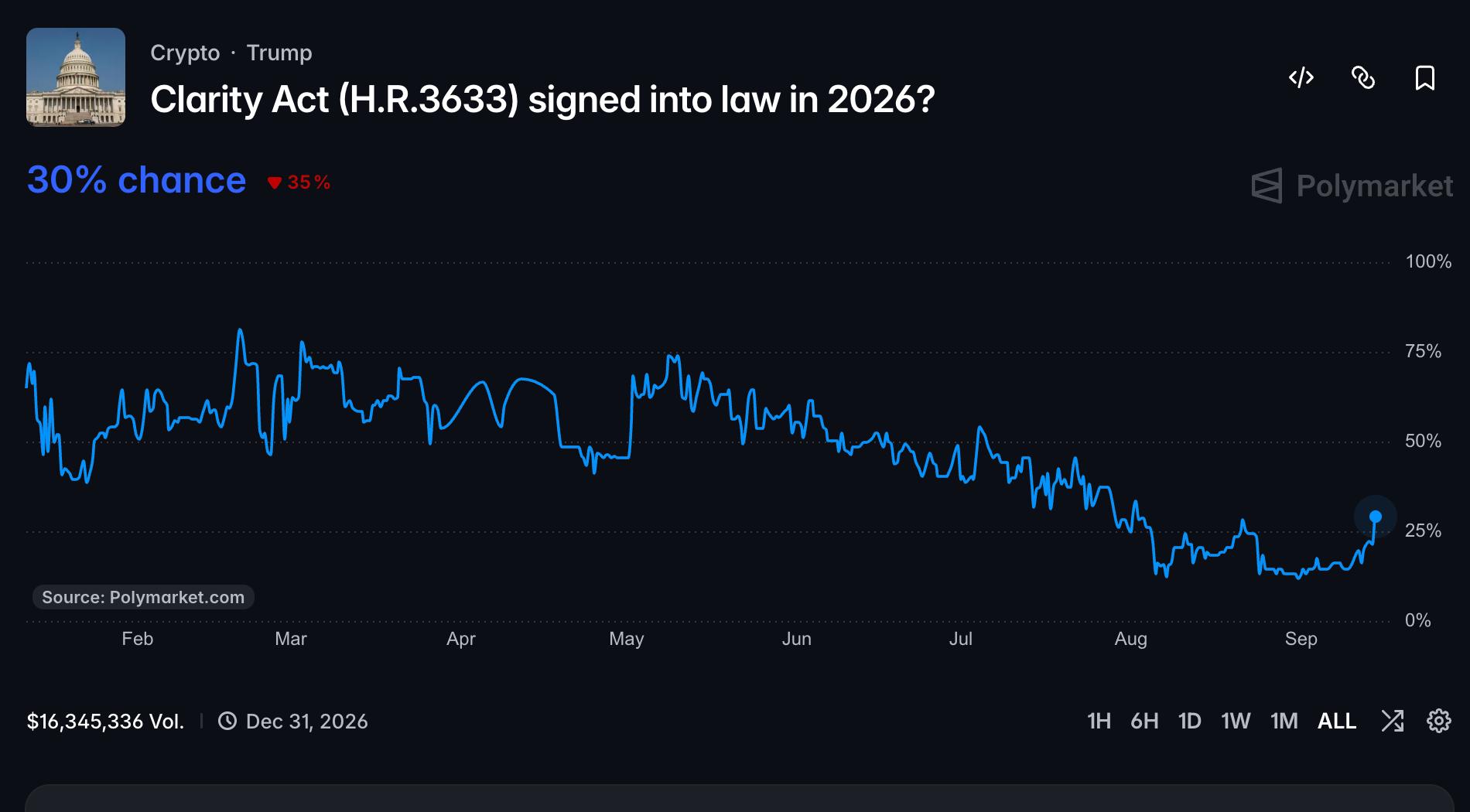
In September 2026, the CLARITY Act—a proposed federal bill that would create a unified market structure for digital assets—faced opposition from a coalition of 18 state attorneys general led by New York AG Letitia James. The AGs argued that the draft language could “weaken state oversight” by making it harder for states to prosecute fraud or other misconduct. Their concern highlights a common tension: federal legislation that centralizes rules can unintentionally limit the ability of states to enforce consumer‑protective actions.
What this means for you as an online earner
If you earn passive income through staking, cloud mining, or DeFi platforms, you are subject to both federal and state regulations. Federal rules determine whether a token is treated as a security (which may require registration or exemption filings) or a commodity (subject to different reporting standards). State AGs can still pursue actions if a platform engages in deceptive practices, even if the federal framework appears to allow the activity.
In practice, this means you might see a platform that complies with SEC guidelines still face a lawsuit from a state AG for alleged fraud. Conversely, a platform that avoids federal registration but operates transparently may escape federal enforcement but still be vulnerable to state actions.
How to assess regulatory risk before you invest
- Check the token classification: Look for public statements from the SEC or CFTC about whether a token is a security or commodity. This influences reporting obligations.
- Review the platform’s compliance disclosures: Reputable services often publish their legal opinions, registration status, or exemption filings.
- Research state actions: Search for recent lawsuits or cease‑and‑desist letters from state AGs targeting the platform or similar services.
- Understand your tax obligations: Both federal and state tax authorities treat crypto earnings differently; consult a tax professional.
- Monitor legislative developments: Bills like the CLARITY Act can reshape the regulatory landscape, affecting how future earnings are taxed and reported.
FAQ
Do I need to register my crypto earnings with the SEC?
Only if the assets you earn are classified as securities and you are offering them to others in a way that meets the definition of an investment contract. Most personal staking or mining rewards do not require SEC registration, but you must still report income for tax purposes.
Can a state AG shut down a crypto platform that complies with federal rules?
Yes. State attorneys general can bring actions for fraud, unlicensed money transmission, or consumer protection violations, even if the platform follows federal guidelines. Their authority is based on state law, not federal classification.
What happens if federal and state regulations conflict?
Generally, the more stringent rule applies. If a state law offers greater protection than the federal baseline, companies must comply with the stricter standard to avoid legal trouble.
Is it safer to use platforms that are based outside the United States?
Offshore platforms may not be subject to U.S. federal regulation, but they can still be targeted by state AGs if they serve U.S. residents. Additionally, using foreign services can raise tax reporting complexities and limit legal recourse if problems arise.
This article references reporting from cointelegraph.com.