Are you wondering how new government rules might change the way you earn crypto online? This article explains what market‑structure regulation is, how it works, and what it means for people who mine, stake, or earn passive income.
What market‑structure regulation actually is
Market‑structure regulation refers to laws that define how crypto exchanges, brokers, and other trading platforms must operate. The goal is to create transparent, fair, and stable markets, much like the rules that govern stock exchanges. Key concepts include:
- Broker‑Dealer Registration: Platforms that match buyers and sellers may need to register as broker‑dealers, subjecting them to oversight by the Securities and Exchange Commission (SEC) or the Commodity Futures Trading Commission (CFTC).
- Clearing and Settlement: Rules that dictate how trades are finalized, ensuring that the buyer receives the cryptocurrency and the seller receives payment without undue delay or risk.
- Investor Protection: Requirements for disclosures, anti‑money‑laundering (AML) checks, and safeguards against market manipulation.
- Capital Requirements: Minimum reserves that firms must hold to cover potential losses, protecting users if a platform fails.
These rules can apply to centralized exchanges (CEXs), decentralized finance (DeFi) aggregators, and even services that offer “cloud mining” or “cloud rewards.” When a jurisdiction adopts a comprehensive framework, it can change the cost of compliance for providers and, ultimately, the fees and features available to users.
Real‑world illustration
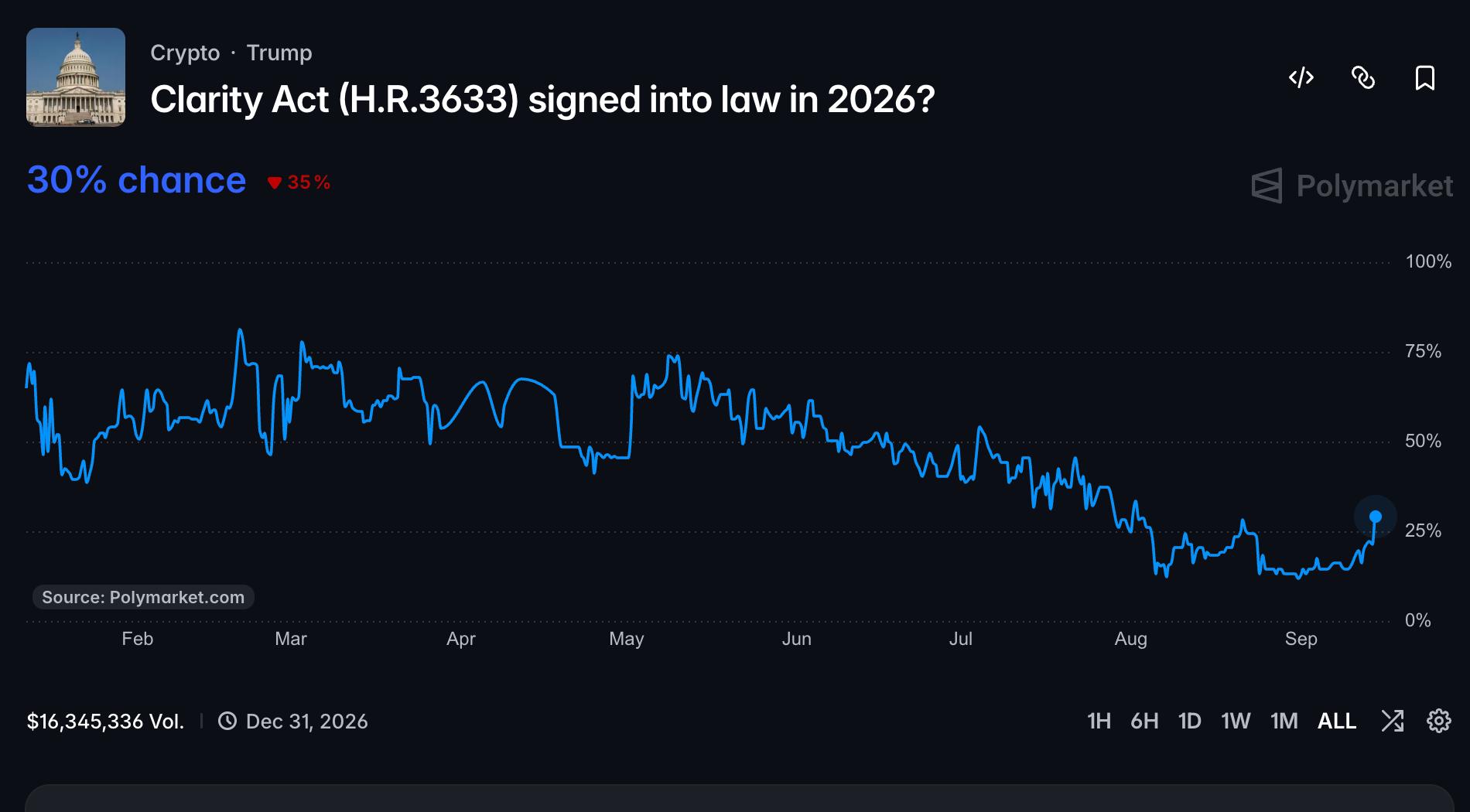
In March 2026, prediction‑market platforms Kalshi and Polymarket showed a sharp rise in the odds that a U.S. Senate vote would approve a crypto market‑structure bill. The bet‑driven odds reflected growing expectations that the legislation could pass, signaling that lawmakers were seriously considering a formal regulatory framework for crypto trading venues.
What it means for you
If such a bill becomes law, several practical effects could reach everyday earners:
- Higher Fees: Exchanges may pass compliance costs—such as registration fees, reporting systems, and legal counsel—onto users. This can reduce the net return on trading or staking.
- Limited Platform Choice: Smaller or overseas platforms that cannot meet new requirements might be forced to shut down or restrict U.S. users, narrowing the pool of services you can access.
- Increased Transparency: Mandatory disclosures can help you better understand the risks of a platform, such as how rewards are calculated or how mining hardware is sourced.
- Potential for New Opportunities: Regulated platforms often attract institutional liquidity, which can improve price stability and make it easier to convert earned tokens into fiat currency.
What to check before you commit
When evaluating a platform for mining, staking, or cloud rewards, consider the following checklist:
- Regulatory Status: Is the platform registered with the SEC, CFTC, or a comparable authority? Look for public filings or licensing information.
- Compliance Transparency: Does the service publish its AML/KYC policies and audit reports?
- Fee Structure: Are fees clearly listed, and do they include any “regulatory surcharge” that could change over time?
- Security Audits: Has the platform undergone third‑party smart‑contract or code audits? This is especially important for DeFi‑based reward programs.
- Exit Options: Can you withdraw your earnings to a personal wallet without excessive delays or penalties?
FAQ
Will regulation eliminate all crypto scams?
No. Regulation can reduce the number of fraudulent platforms by imposing licensing and reporting requirements, but it cannot guarantee that every scam disappears. Always perform due diligence.
Do I need to report earnings from cloud mining or staking?
Yes. In most jurisdictions, crypto earnings are taxable income. Keep records of the amount earned, the date, and the fair market value at that time.
Can regulated platforms still offer “green” mining options?
Regulation does not prohibit environmentally friendly mining. Some platforms, such as EcoPool, emphasize renewable energy sources while complying with applicable rules.
What if a platform I use becomes non‑compliant?
Regulators may order the platform to cease operations for certain users. In that case, you should withdraw any remaining balance promptly and look for an alternative service that meets compliance standards.
This article references reporting from coindesk.com.