Are you curious how holding a cryptocurrency can turn into a regular cash flow? This article explains how staking works, where the rewards come from, and what you should consider before committing your assets to a staking platform.
What staking actually is
Staking is the process of locking up a cryptocurrency that uses a Proof‑of‑Stake (PoS) consensus mechanism. In PoS, validators—participants who hold and “stake” the native token—are chosen to create new blocks and confirm transactions. In return for securing the network, validators receive a portion of the block rewards and transaction fees. The reward is paid in the same token that is being staked, creating a recurring income stream as long as the validator remains active.
Key terms:
- Validator: An entity that runs the software required to propose and attest to new blocks.
- Staking yield: The annualized percentage return earned on the amount of token that is staked.
- Unbonding period: The time you must wait after deciding to withdraw your stake before the tokens become liquid again.
- Delegation: Some PoS networks let token holders delegate their stake to a professional validator while retaining ownership of the tokens.
The amount you earn depends on three main factors: the total amount of tokens staked across the network, the network’s inflation rate (new tokens minted as rewards), and any transaction fees that are shared with validators. When many tokens are staked, the reward per token typically drops, and vice‑versa.
Real‑world illustration
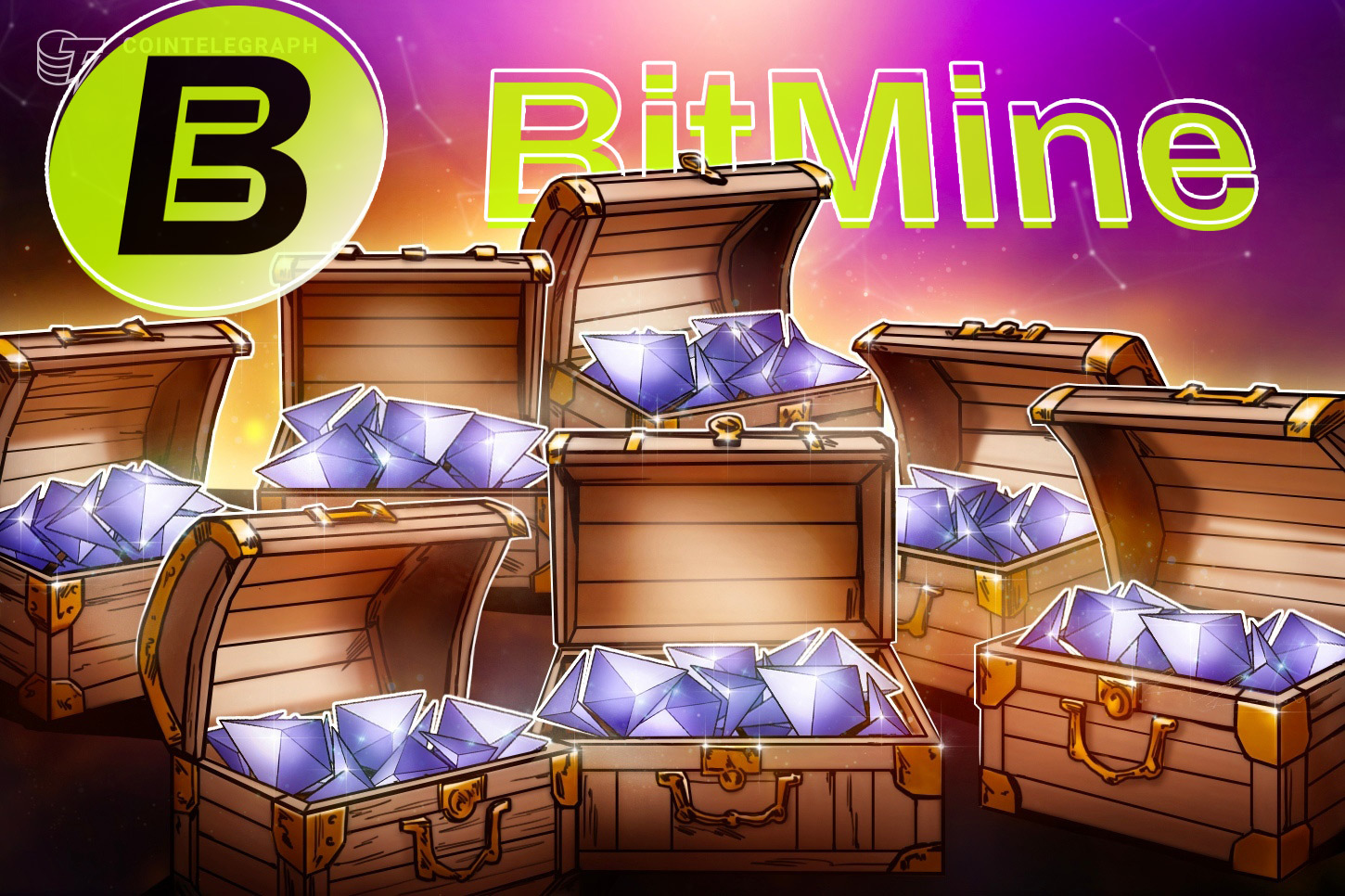
In September 2026, Bitmine Immersion Technologies reported that it had accumulated more than 5.95 million ETH, worth roughly $15.4 billion, and that about 85 % of this Ether was actively staked. The company estimated that the staked portion—over 5.06 million ETH—was generating approximately $334 million in annualized staking revenue at the prevailing rates. This example shows how a large treasury can convert a static asset into a steady cash flow, even when the market price of the underlying token fluctuates.
What this means for you
If you hold a PoS token such as Ethereum, Cardano, or Solana, you can earn a passive income simply by staking it. The income is not guaranteed; it varies with network conditions and the amount of total stake. However, staking can provide a hedge against price volatility because you receive rewards regardless of short‑term market moves. For small holders, delegation to a reputable validator is often the easiest way to participate without running full validator nodes.
Staking also introduces liquidity considerations. During the unbonding period—ranging from a few days to several weeks—your tokens are locked and cannot be sold or transferred. This lock‑up risk should be weighed against the expected yield.
What to check before you stake
- Validator reputation: Look for validators with a strong uptime record and transparent fee structures. High fees can erode your net return.
- Staking yield and inflation: Compare the advertised yield with the network’s base inflation rate. Excessively high yields may signal hidden risks.
- Unbonding period: Ensure the lock‑up time aligns with your liquidity needs.
- Security measures: Verify that the platform uses hardware security modules (HSMs) or multi‑signature wallets to protect staked assets.
- Regulatory environment: Some jurisdictions treat staking rewards as taxable income. Understand your local tax obligations.
FAQ
Do I need technical expertise to stake?
No. Most PoS networks allow you to delegate your tokens through user‑friendly wallets or exchanges. Running a full validator node requires more technical knowledge and hardware resources.
Are staking rewards taxed?
In many countries, rewards are considered ordinary income at the time they are received. When you later sell the tokens, you may also incur capital gains tax. Consult a tax professional for guidance specific to your jurisdiction.
What happens if the validator I delegate to misbehaves?
Validators can be penalized (slashed) for double‑signing or being offline. In most delegation models, the slashing penalty is shared proportionally among delegators, so choosing a reputable validator reduces this risk.
Can staking protect me from a falling token price?
Staking provides a steady stream of additional tokens, which can offset some price decline, but it does not eliminate market risk. If the token’s price drops sharply, the value of both your principal and rewards may still decrease.
This article references reporting from cointelegraph.com.