Ever wondered how traditional stocks, bonds, or Treasury bills can exist on a blockchain? This article explains the basics of tokenized securities, how they are created, and what you should consider before getting involved.
What tokenized securities are
A tokenized security is a digital representation of a real‑world financial asset—such as a share of stock, a corporate bond, or a Treasury bill—issued on a blockchain. Each token is linked to the underlying asset and carries the same legal rights (dividends, interest, voting power, etc.) as the physical or paper version.
The process starts with an issuer (a company, government, or fund) partnering with a trusted platform that follows regulatory standards. The platform creates a smart contract—a self‑executing piece of code—that defines the token’s properties, including total supply, ownership records, and settlement rules. Once the contract is deployed, the tokens can be transferred peer‑to‑peer, stored in digital wallets, and traded on compatible exchanges.
Key terms:
- Smart contract: Code on a blockchain that automatically enforces the terms of an agreement.
- On‑chain: Activities that occur directly on the blockchain, such as token transfers or data storage.
- Off‑chain: Processes that happen outside the blockchain, like traditional banking settlement, but may be linked to on‑chain events.
- Tokenization platform: The service that handles the legal, compliance, and technical steps to turn an asset into a token.
Why tokenization matters
Tokenization can make markets more efficient by enabling 24/7 trading, faster settlement (often within seconds), and fractional ownership—allowing investors to buy a slice of a high‑value asset. It also improves transparency because every transaction is recorded on an immutable ledger that anyone can audit.
However, the technology is still maturing. Regulatory frameworks differ across jurisdictions, and the infrastructure for custody, clearing, and reporting is being built out by traditional financial firms and new crypto‑focused companies alike.
Real‑world example: Kaiko’s Series B funding
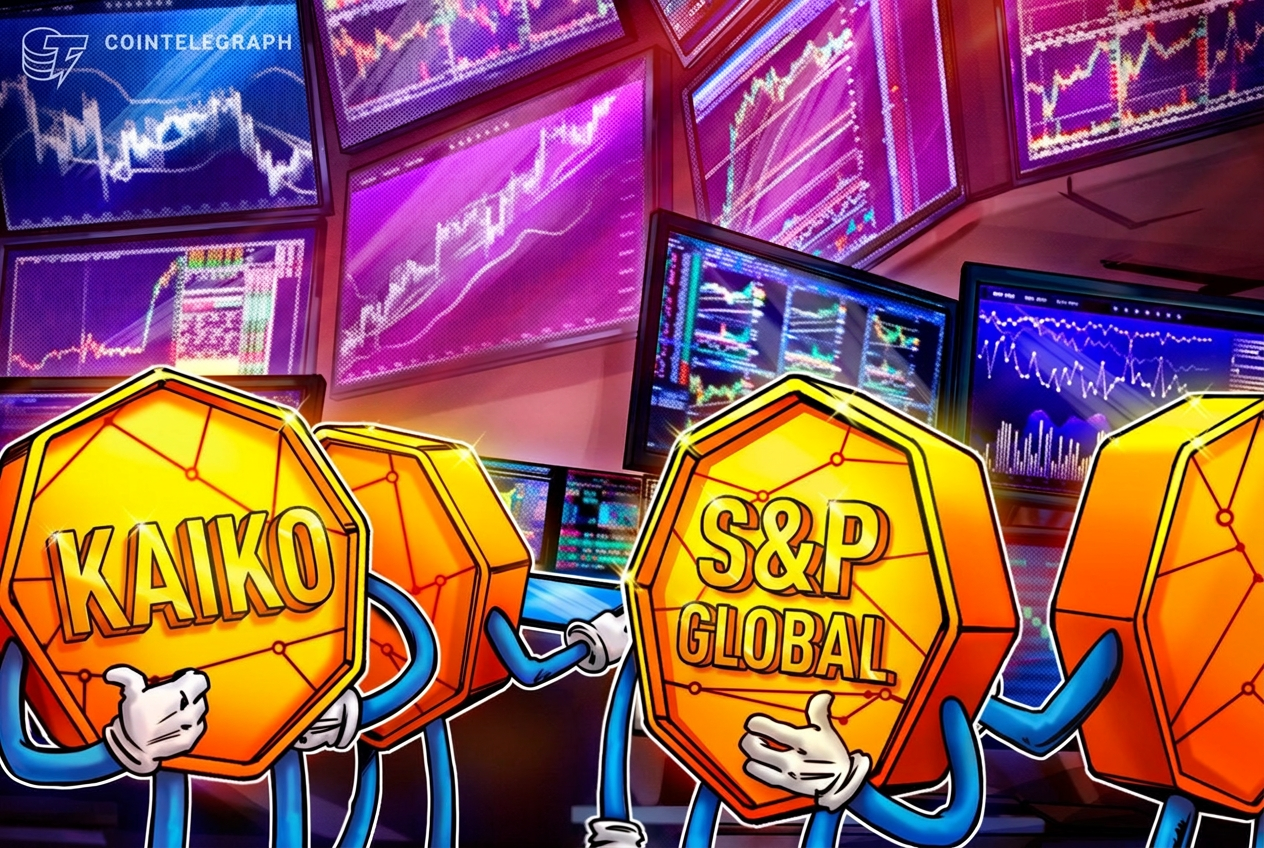
In September 2026, S&P Global led a strategic investment that pushed the Paris‑based crypto market data provider Kaiko’s Series B round to $110 million. The capital is earmarked for expanding Kaiko’s data infrastructure for tokenized financial markets, including services for tokenized Treasury bills, money‑market funds, equities, and bonds.
Kaiko’s investors—ranging from BNP Paribas to Nasdaq Ventures—are joining a Kaiko‑led industry working group aimed at developing standards and data tools for tokenized products. This move reflects a broader trend where legacy institutions are building the on‑chain data pipelines needed for reliable pricing, compliance, and risk management of tokenized securities.
What this means for you
If you’re looking to earn passive income or diversify your portfolio, tokenized securities could give you access to assets that were previously out of reach due to high minimum investment sizes or limited market hours. Because tokens can settle instantly, you might see faster access to dividends or interest payments compared to traditional settlement cycles.
At the same time, you’ll need to navigate new kinds of risk. Market liquidity may be lower than for fully established equities, and the technology stack—wallets, smart contracts, and blockchain networks—adds operational risk. Understanding who holds the legal title to the underlying asset and how the token is backed is essential.
How to evaluate a tokenized security
- Regulatory compliance: Verify that the token issuer is registered or licensed in the relevant jurisdiction and that the token complies with securities laws.
- Custody solution: Check whether a reputable custodian safeguards the underlying asset and whether the token’s smart contract includes clear redemption mechanisms.
- Data transparency: Look for providers like Kaiko that offer reliable on‑chain pricing and audit trails, which help you assess fair value.
- Liquidity: Assess whether the token trades on multiple exchanges or platforms and whether market makers are present.
- Smart contract audit: Ensure the contract code has been reviewed by independent security firms to reduce the risk of bugs or exploits.
FAQ
Can I buy tokenized securities on the same exchanges I use for crypto?
Some regulated exchanges have started offering tokenized stocks and bonds alongside traditional crypto assets. However, not all platforms support them, so you may need to use a specialized broker that complies with securities regulations.
Do tokenized securities pay dividends or interest automatically?
When a dividend or interest payment is declared, the issuer’s smart contract can distribute the payout directly to token holders’ wallets. The timing and method depend on how the token was programmed and the underlying settlement process.
What happens if the blockchain network experiences a failure?
Most tokenized securities are designed with fallback mechanisms. If the primary blockchain is unavailable, the issuer may revert to an off‑chain process to ensure settlements continue, though this can introduce delays.
Is tokenization safe for small investors?
Tokenization offers new opportunities, but it also adds layers of technical and regulatory risk. Small investors should start with well‑known platforms, verify compliance, and only allocate a portion of their portfolio to tokenized assets until they become comfortable with the technology.
This article references reporting from cointelegraph.com.