Are you worried that new crypto laws might make it harder to fight online scams? This article explains how securities and commodities regulations work in the crypto space and what that means for protecting your digital assets.
The basics of securities and commodities regulation in crypto
In the United States, two federal agencies oversee financial markets: the Securities and Exchange Commission (SEC) and the Commodity Futures Trading Commission (CFTC). The SEC focuses on securities—investment contracts, stocks, and bonds—while the CFTC regulates commodities, which include futures and derivatives based on assets like gold, oil, or certain cryptocurrencies.
When a crypto project sells tokens, the question is whether those tokens are securities. The SEC applies the Howey Test, which looks at whether buyers expect a profit from the efforts of the token issuer. If the test is met, the token must be registered or qualify for an exemption, and the issuer must follow disclosure rules.
Commodities regulation kicks in when a crypto asset is used as the underlying for futures contracts or other derivative products. The CFTC requires that such products be traded on regulated exchanges and that participants meet certain reporting and margin requirements.
State attorneys general (AGs) also have authority to bring enforcement actions under state securities laws (often called “blue sky” laws) and state consumer protection statutes. They can pursue fraud, unregistered offerings, and deceptive practices that affect residents of their states.
Why the distinction matters for scam victims
If a token is classified as a security, the SEC can bring federal actions, impose fines, and order disgorgement of ill-gotten gains. Victims may also have the right to file a class‑action lawsuit in federal court. Conversely, if a token is deemed a commodity, the CFTC can pursue civil penalties and injunctions, especially when the fraud involves derivative trading.
State AGs add another layer of protection. They can act more quickly than federal agencies, target smaller scams that affect only a handful of residents, and coordinate with local law‑enforcement. However, their power can be limited if federal legislation preempts state authority or imposes narrow definitions of what counts as a security or commodity.
Real‑world illustration
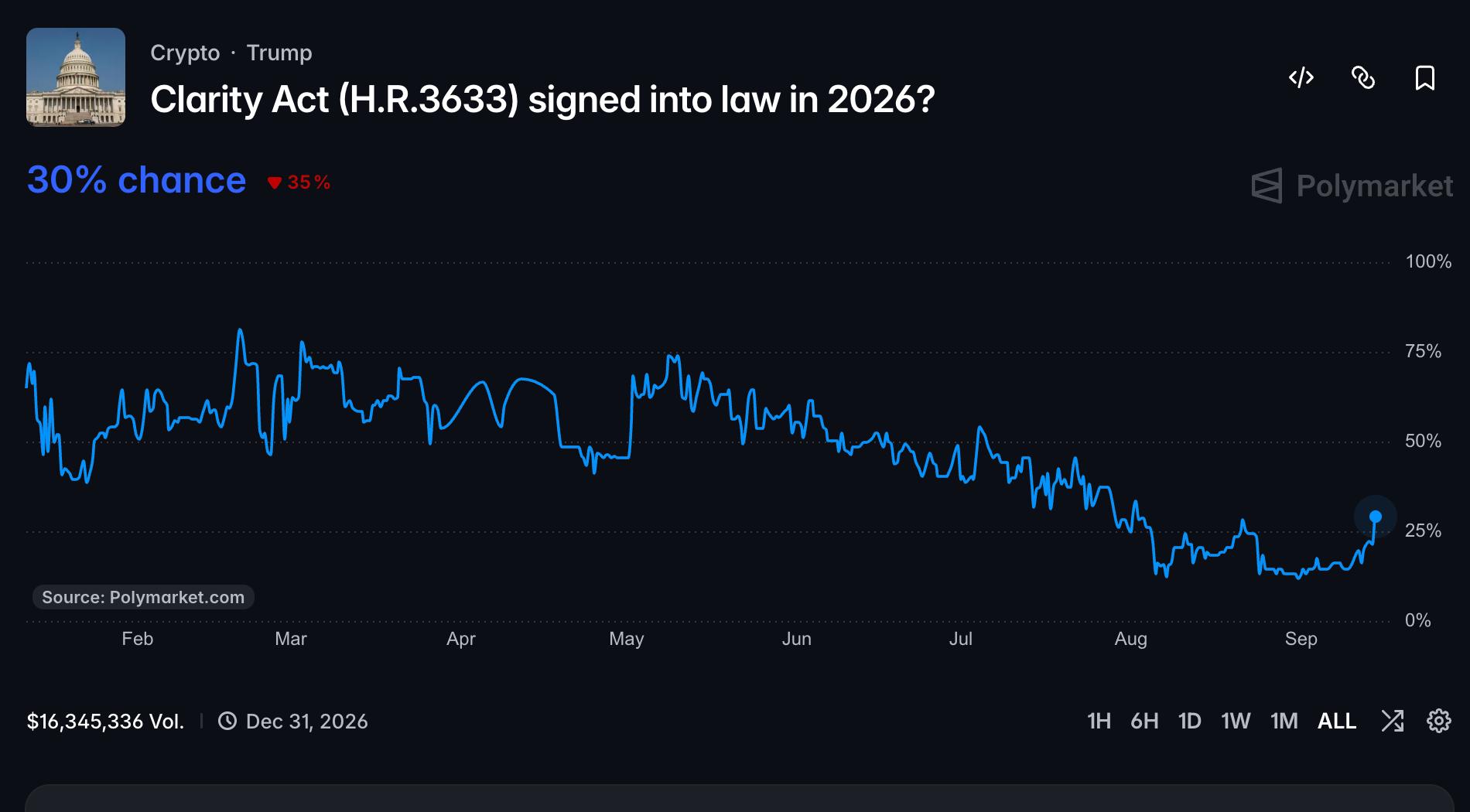
In March 2026, a bipartisan coalition of 17 state attorneys general sent a letter to the U.S. Senate urging lawmakers to reject the proposed “Clarity Act.” The AGs argued that the bill could restrict their ability to bring securities and commodities cases tied to online scams. Their concern highlights how federal legislation can influence the balance of power between federal regulators and state enforcement.
What this means for you
If you are looking to earn passive income through crypto staking, mining, or cloud‑reward platforms, understanding the regulatory landscape helps you assess risk. Projects that operate without clear registration may be more likely to run afoul of the SEC or CFTC, increasing the chance of a shutdown or legal action that could freeze your funds.
Conversely, platforms that comply with both federal and state regulations tend to have stronger consumer protections, clearer dispute‑resolution processes, and a lower likelihood of being targeted by enforcement actions.
How to evaluate a crypto project’s regulatory compliance
- Check the token’s classification. Look for public statements from the project about whether the token is a security, commodity, or utility. If the classification is unclear, proceed with caution.
- Review registration status. Search the SEC’s EDGAR database for any registration statements or exemption filings. For commodity‑based products, check the CFTC’s registration list.
- Assess state‑level disclosures. Some projects file “blue‑sky” notices with state securities regulators. These filings are often available on state AG websites.
- Look for legal counsel. Reputable projects typically retain experienced securities or commodities lawyers and will reference legal opinions in their documentation.
- Monitor regulatory news. Changes in legislation, like the proposed Clarity Act, can shift the enforcement environment. Staying informed helps you anticipate potential risks.
FAQ
Is every crypto token considered a security?
No. Only tokens that meet the Howey Test—where buyers expect profits primarily from the efforts of the issuer—are treated as securities. Utility tokens that grant access to a product or service without an expectation of profit usually fall outside securities law.
Can a state attorney general pursue a case if the SEC is already involved?
Yes. State AGs can bring separate actions under state law, especially when the fraud primarily affects residents of their state. However, overlapping jurisdiction can sometimes lead to coordination challenges.
What happens to my funds if a project is shut down by regulators?
Regulatory shutdowns can result in frozen accounts, loss of access to wallets, or forced token swaps. The outcome depends on the enforcement order and whether the project can return funds to users.
Do compliance checks guarantee safety?
Compliance reduces certain legal risks but does not eliminate all dangers. Market volatility, smart‑contract bugs, and operational failures remain possible, so always diversify and only invest what you can afford to lose.
This article references reporting from coindesk.com.