Are you wondering why a single piece of legislation can cause Bitcoin’s price to swing and what that means for your mining or earning plans? This article explains how government regulations shape the crypto market, how price changes affect mining profitability, and what you can do to protect your earnings.
What government regulation means for Bitcoin
Regulation refers to laws and rules that a government creates to oversee activities within its borders. In the context of Bitcoin, regulation can cover a range of topics: how exchanges must verify users (KYC/AML), tax treatment of crypto transactions, and the legal status of mining operations. When a regulator announces a new rule or a vote is upcoming, the market reacts because participants try to anticipate how the rule will affect supply, demand, and risk.
Two key ways regulation impacts Bitcoin are:
- Demand side: Clear, favorable rules can encourage more people and institutions to buy Bitcoin, driving the price up. Conversely, restrictive or uncertain rules can scare investors away, pushing the price down.
- Supply side: Rules that target mining—such as energy usage limits or tax changes—can affect how many miners stay online. Fewer active miners reduce the network’s hash rate, potentially lowering the difficulty of mining new blocks and influencing miners’ revenue.
Because Bitcoin’s price is a major component of mining revenue, any regulatory news that moves the price will directly affect a miner’s bottom line.
Real‑world illustration
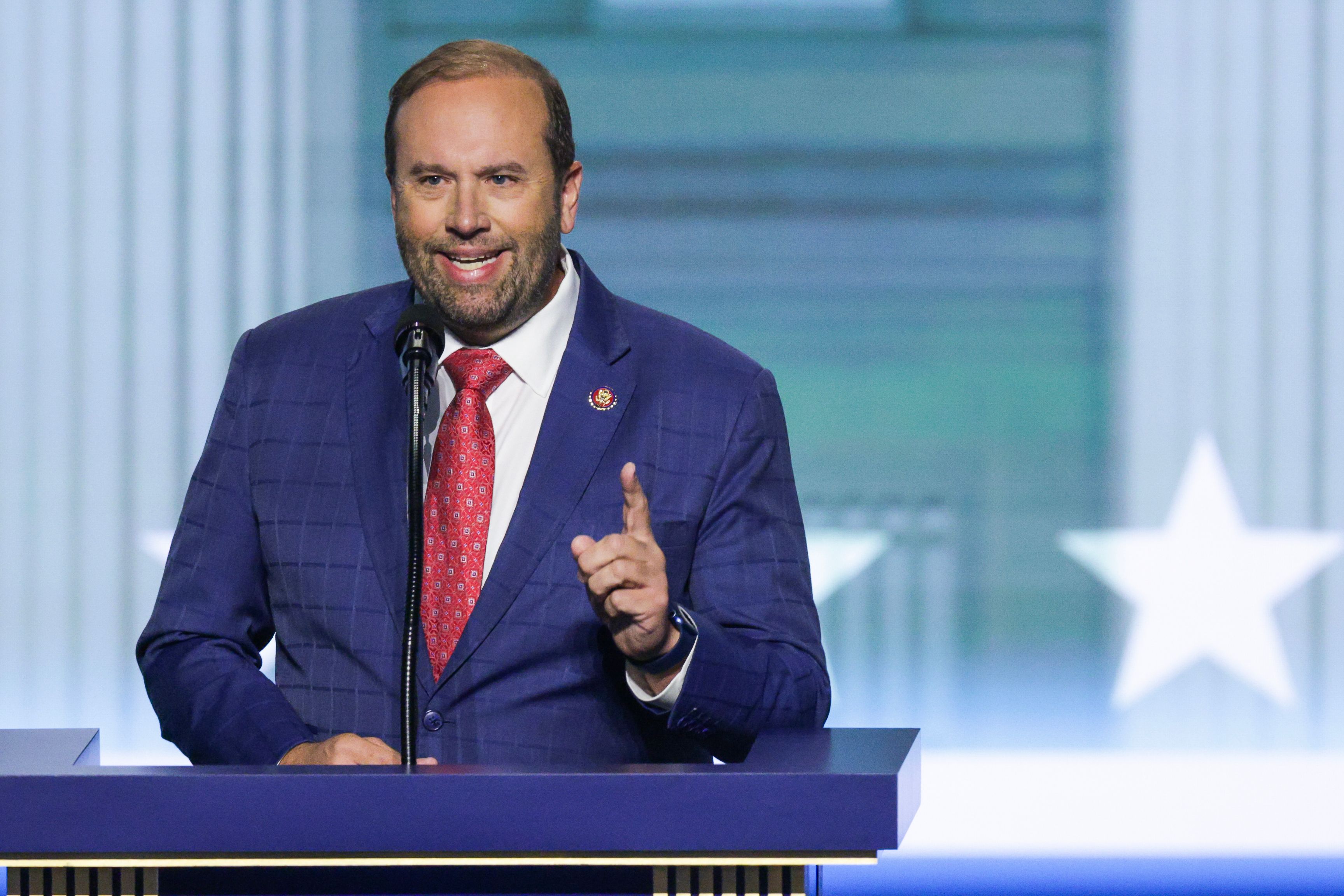
In March 2026, Bitcoin slipped from $79,000 to around $77,800 as the U.S. Senate prepared to vote on the Clarity Act. The bill aimed to provide clearer guidance on how crypto assets are treated under federal law. At the same time, rising oil prices added pressure on energy‑intensive miners, further influencing market sentiment. The combination of regulatory uncertainty and higher energy costs caused a noticeable price dip.
What it means for you
If you earn Bitcoin through mining, staking, or cloud‑based rewards, price fluctuations can change the value of your earnings overnight. A lower price means the same amount of mined Bitcoin translates into fewer dollars, while a higher price does the opposite. However, mining profitability also depends on your electricity cost, hardware efficiency, and the network’s difficulty level.
Regulatory news can also affect the availability of services you rely on, such as exchanges for cashing out or cloud‑mining platforms that might need to adjust their terms to stay compliant. Staying aware of upcoming votes or bills helps you anticipate potential disruptions.
How to evaluate regulatory risk
When assessing a crypto‑earning opportunity, consider these checkpoints:
- Jurisdiction: Identify the country or region where the service operates and where you reside. Different places have different crypto laws.
- Legal clarity: Look for publicly available compliance statements from the platform. Projects that publish their legal opinions or have licensed entities are generally lower risk.
- Energy policy impact: If you mine yourself, check local energy regulations and any upcoming legislation targeting high‑consumption activities.
- Liquidity options: Ensure you can move your earnings to a regulated exchange or wallet without excessive friction.
- Transparency: Platforms that regularly update users about regulatory changes and how they adapt demonstrate better governance.
FAQ
Why does a Senate vote affect Bitcoin’s price?
Investors treat legislation as a signal of future market conditions. A vote that could bring stricter rules creates uncertainty, prompting some to sell, while a vote promising clarity can boost confidence and buying activity.
Can I protect my mining earnings from regulatory swings?
While you can’t stop price changes, you can diversify by holding a mix of assets, using hedging tools like futures, or choosing mining locations with stable regulatory environments.
Do regulatory changes affect only miners?
No. Traders, investors, and service providers (exchanges, wallets, cloud‑mining platforms) all feel the impact because rules can alter who can participate, how taxes are applied, and what services remain available.
How often should I check for regulatory updates?
At least once a month, and more frequently if you operate in a jurisdiction known for rapid policy shifts. Signing up for official government newsletters or reputable crypto‑law newsletters can keep you informed.
This article references reporting from coindesk.com.