Wondering how to know if a crypto exchange is a safe place for your funds? This article explains the key factors that affect an exchange’s stability and what you can do to protect your assets.
The basics: what a crypto exchange does and why safety matters
A crypto exchange is a platform that lets users buy, sell, and trade digital assets. In addition to spot trading, many exchanges offer services such as margin trading, futures contracts, staking, lending, and earn programs that promise passive income. Because exchanges hold large amounts of users’ crypto and often fiat, they become attractive targets for hackers, regulators, and market stress. When an exchange runs into trouble, users can lose access to their balances, face withdrawal delays, or even see funds disappear.
Safety therefore hinges on three pillars: financial health (does the exchange have enough liquidity to meet withdrawals?), regulatory compliance (is it meeting the legal requirements of the jurisdictions it operates in?), and operational security (does it use robust technology and risk‑management practices?). Understanding these pillars helps you decide whether to keep your money on an exchange or move it to a self‑custody wallet.
Real‑world illustration: CoinEx’s wind‑down in 2026
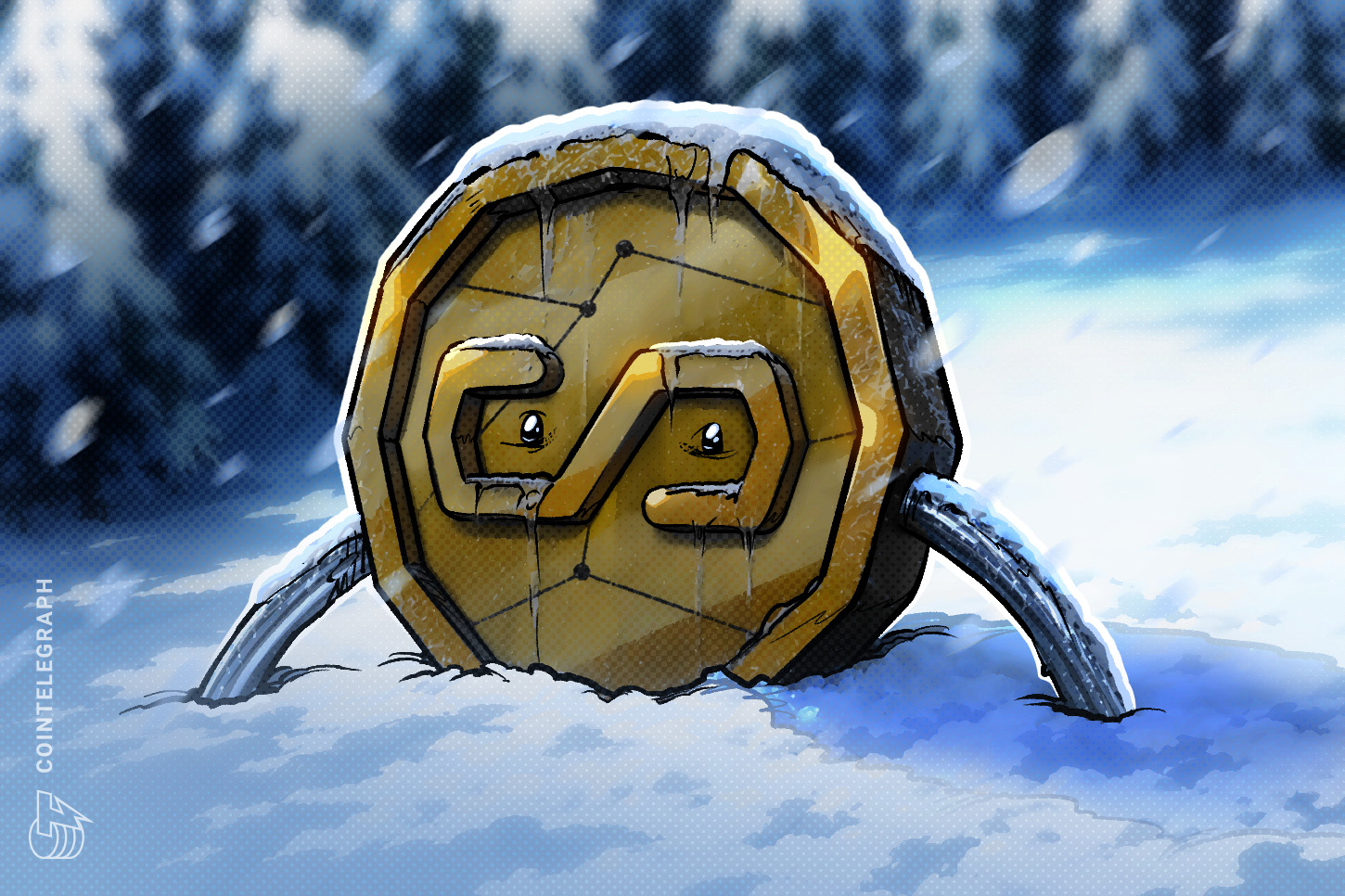
In September 2026, the exchange CoinEx announced that it would cease operations after nine years. The company cited “significant crypto contraction,” falling trading volumes, dwindling liquidity, and rising regulatory and compliance costs as reasons for the shutdown. The timeline included stopping new user registrations, halting all non‑spot services, and finally closing withdrawals on December 22, 2026. Even though the CoinEx Wallet and Vault remained functional, the exchange’s core trading and earn services were shut down.
This example shows how a combination of market downturn, liquidity strain, and regulatory pressure can push an exchange out of business, leaving users to scramble for withdrawals and potentially incur custody fees for unclaimed assets.
What it means for you: practical implications for online earners
If you use an exchange for earning crypto—whether through staking, lending, or yield‑generating products—its stability directly impacts the reliability of those earnings. A sudden service halt can freeze your rewards, force you to withdraw under tight deadlines, or expose you to fees for holding unclaimed balances. Moreover, if an exchange stops offering a particular service, you may need to find an alternative platform, which could involve learning new interfaces and re‑evaluating risk.
Because many earn‑focused services are tied to the exchange’s own token (as with CoinEx’s CET buy‑back), the health of the platform also influences the value of those tokens. A shutdown can cause a rapid price drop, eroding any passive‑income gains you expected.
What to check before you deposit: a quick safety checklist
- Liquidity and trading volume: Look for daily trading volume figures on sites like CoinMarketCap. Higher volume usually means the exchange can handle large withdrawals without price impact.
- Regulatory standing: Verify whether the exchange holds licenses in the jurisdictions it serves and whether it has a transparent compliance program. Sudden regulatory crackdowns often precede service suspensions.
- Security track record: Research any past hacks, security audits, and the exchange’s response to incidents. Frequent security breaches are red flags.
- Financial disclosures: Some exchanges publish proof‑of‑reserves or third‑party audits. These documents show whether the platform actually holds the assets it claims.
- Service diversification: Relying on a single platform for trading, staking, and lending concentrates risk. Consider spreading assets across multiple reputable services.
- Withdrawal limits and fees: Check the maximum daily withdrawal amount and any associated fees. Tight limits can become problematic during market stress.
FAQ
Can I trust an exchange that offers high staking rewards?
High rewards can be attractive, but they may also indicate that the platform is using your staked assets to fund other operations. Verify the source of the rewards and ensure the exchange provides clear, audited details about how yields are generated.
What should I do if an exchange announces a shutdown?
Immediately withdraw any assets you can, prioritizing those that are not automatically transferred to a custodian. Move them to a self‑custody wallet or another reputable platform. Keep an eye on any deadlines for withdrawals and be aware of potential custody fees for unclaimed balances.
Is it safer to keep my crypto on a centralized exchange or a decentralized platform?
Centralized exchanges offer convenience and customer support but carry custodial risk—your funds are held by the platform. Decentralized platforms let you retain control of private keys, reducing custodial risk, but they may lack insurance or recourse if something goes wrong. A balanced approach often involves using both, with the majority of assets in self‑custody.
How often should I reassess the health of an exchange I use?
Regularly—at least quarterly—review the exchange’s volume, news coverage, and any regulatory updates. Sudden changes in trading volume or new compliance requirements can be early warning signs that warrant a re‑evaluation of your holdings.
This article references reporting from cointelegraph.com.