Ever wondered how law‑enforcement agencies can take control of digital money that lives on a blockchain? This article explains the mechanics behind crypto asset seizures, the role of stablecoins, and the safeguards you should consider when earning online.
What a Crypto Asset Seizure Actually Is
A crypto asset seizure is a legal process in which a court orders the confiscation of digital tokens that are suspected of being linked to illegal activity. Unlike cash, which can be physically taken, crypto lives on a distributed ledger. To “seize” it, authorities typically work with the token’s issuer or a custodial service to freeze the tokens, move them to a controlled wallet, or render them unusable.
The key steps are:
- Legal claim: A government agency files a civil or criminal complaint alleging that specific addresses hold illicit funds.
- Freeze order: The court issues a warrant that compels the token issuer (for example, a stablecoin company) to lock the tokens on the network.
- Custody transfer: The issuer may destroy the frozen tokens and issue replacement tokens that are sent to a government‑controlled wallet, or simply hold the original tokens in escrow.
- Final judgment: If the court later rules in favor of the government, the assets become permanently owned by the state; otherwise, they are returned.
Stablecoins—cryptocurrencies pegged to a fiat currency—are often targeted because they can be moved quickly, retain a stable value, and are widely used for payments and earnings.
How the Process Works on a Technical Level
Most blockchains are permissionless, meaning anyone can create an address and hold tokens. However, many token issuers maintain a centralized ledger that tracks the total supply and can invalidate specific tokens. When a seizure is ordered, the issuer can:
- Mark the affected tokens as “frozen” in its internal database.
- Issue a transaction on the underlying blockchain that transfers the tokens to a new address controlled by the authorities.
- In some cases, especially with tokens on platforms like Tron, the issuer may “burn” (destroy) the original tokens and mint new ones that are sent to the government’s wallet.
This hybrid approach—using both on‑chain transactions and off‑chain record‑keeping—allows authorities to comply with court orders while still respecting the immutable nature of the blockchain.
Real‑World Example
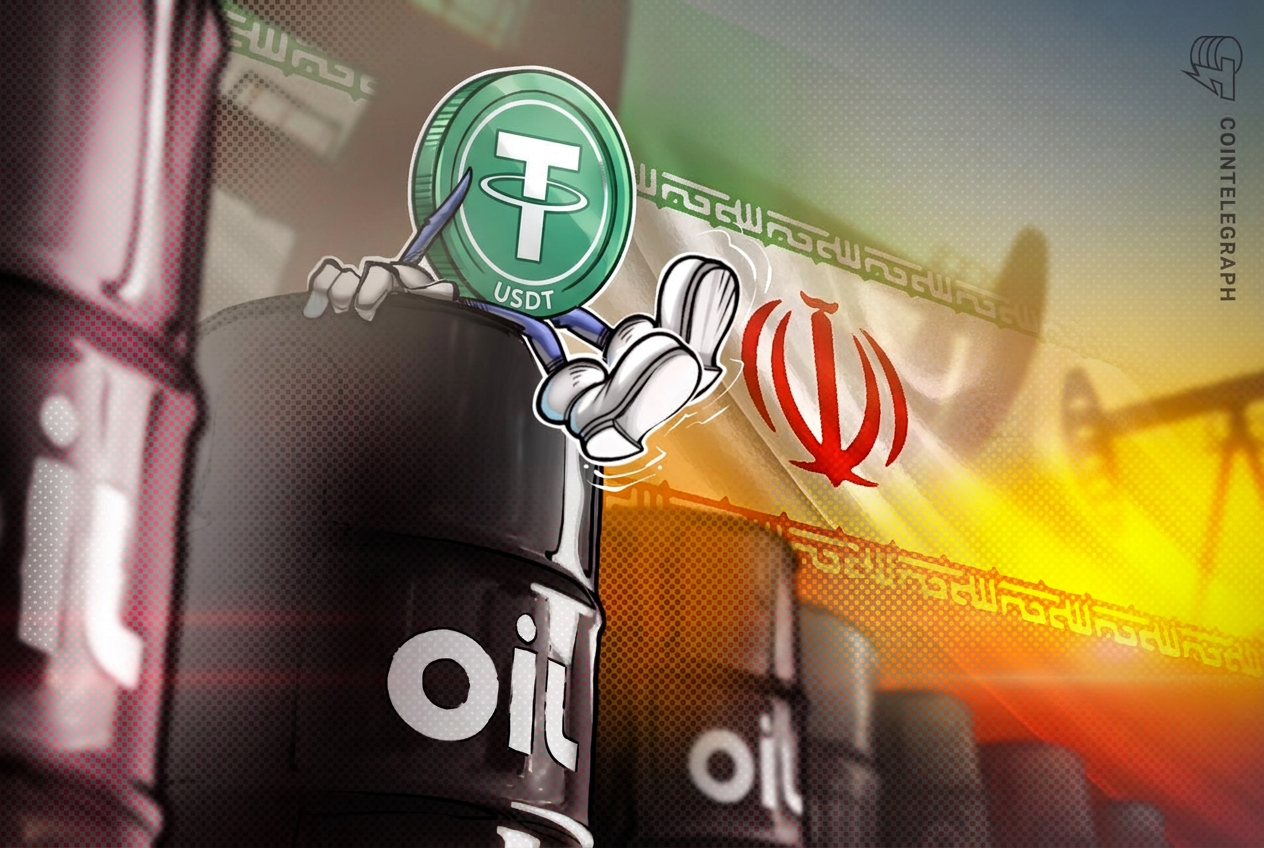
In September 2026, the U.S. Department of Justice sought forfeiture of more than $61 million in Tether’s USDT stablecoin. Prosecutors alleged the funds came from black‑market sales of sanctioned Iranian oil. Tether responded by freezing about 61.19 million USDT across ten addresses on the Tron network, a move authorized by a seizure warrant that allowed the FBI to take custody of the assets. The process involved destroying the frozen tokens and issuing replacements of equal value to an FBI‑controlled hardware wallet.
What This Means for You as an Online Earner
If you earn crypto through mining, staking, or cloud‑reward platforms, a seizure can affect you only if the tokens you hold are directly linked to the alleged illegal activity. However, the broader lesson is that:
- Stablecoins are not immune to regulatory actions; they can be frozen or confiscated.
- Using reputable platforms that implement strong Know‑Your‑Customer (KYC) and anti‑money‑laundering (AML) checks reduces the risk of unintentionally becoming part of a sanctioned network.
- Keeping detailed records of how you acquired each token helps you demonstrate legitimate ownership if questioned.
What to Check Before You Earn or Store Crypto
To protect yourself, consider the following checks:
- Issuer compliance policies: Review whether the token’s issuing company (e.g., Tether) has clear procedures for responding to legal requests.
- Platform KYC/AML practices: Choose exchanges or reward services that verify user identities and monitor suspicious transactions.
- Transaction provenance: Use blockchain explorers to trace the origin of incoming funds; avoid receiving tokens from addresses flagged in public sanction lists.
- Legal jurisdiction: Be aware of the regulatory environment of the country where the platform operates, as this affects how seizures are enforced.
FAQ
Can a government seize crypto that I hold in a non‑custodial wallet?
Direct seizure is difficult because you control the private keys. However, if the token issuer freezes the tokens or a court orders the destruction of the tokens, the effective value can be lost even in a non‑custodial wallet.
What’s the difference between freezing and confiscating tokens?
Freezing temporarily restricts the ability to move or spend the tokens, usually pending a legal decision. Confiscation (or forfeiture) is permanent ownership transfer to the government after a final judgment.
Do stablecoins have an advantage over other crypto in seizure cases?
Yes, because they maintain a stable fiat value, authorities see them as an efficient way to move large sums without the price volatility associated with other cryptocurrencies.
How can I prove that my tokens are legitimate if they’re seized?
Maintain records of purchase receipts, transaction hashes, and any KYC verification from the platform you used. These documents can help demonstrate that you acquired the tokens through lawful means.
This article references reporting from cointelegraph.com.