Are you wondering how new laws governing crypto markets might impact your ability to earn passive income online? This article explains what market‑structure regulation is, how it works, and what you should watch for when the rules change.
What market‑structure regulation actually means
Market‑structure regulation refers to the set of rules that define how financial assets are bought, sold, and cleared on exchanges. In the crypto world, these rules determine who can operate a platform, how orders are matched, what transparency is required, and what consumer protections are in place.
Key terms you’ll hear:
- Broker‑dealer: a firm that buys and sells assets on behalf of customers, often required to register with a financial regulator.
- Exchange: a marketplace where users trade crypto directly with each other or with the platform.
- Clearinghouse: an entity that settles trades, ensuring that both sides receive what they are owed.
- Market‑making: the practice of providing liquidity by continuously offering to buy and sell at quoted prices.
When a government passes a market‑structure bill, it typically aims to bring crypto platforms into the same regulatory framework as traditional securities or commodities markets. This can involve requiring exchanges to obtain licenses, enforce anti‑money‑laundering (AML) checks, and report trade data to regulators.
Real‑world illustration
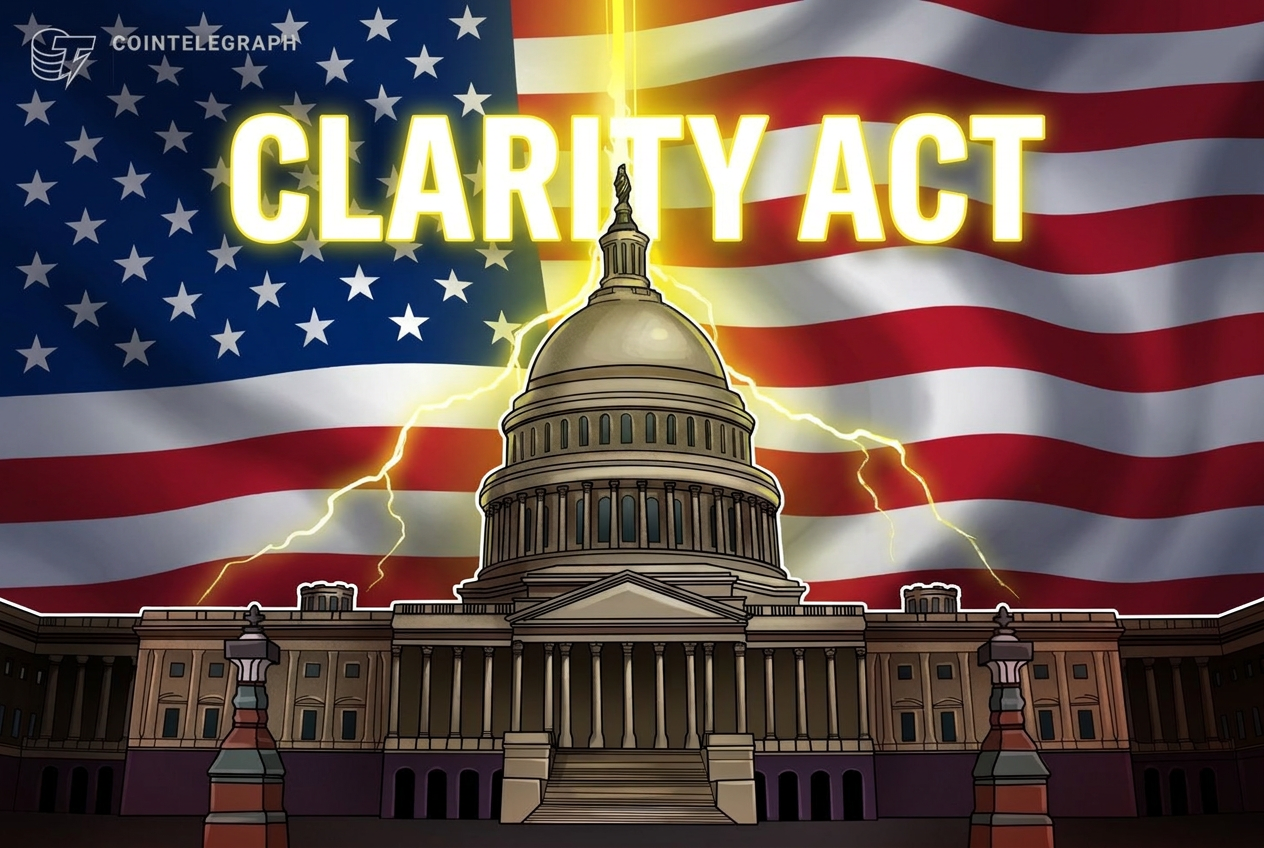
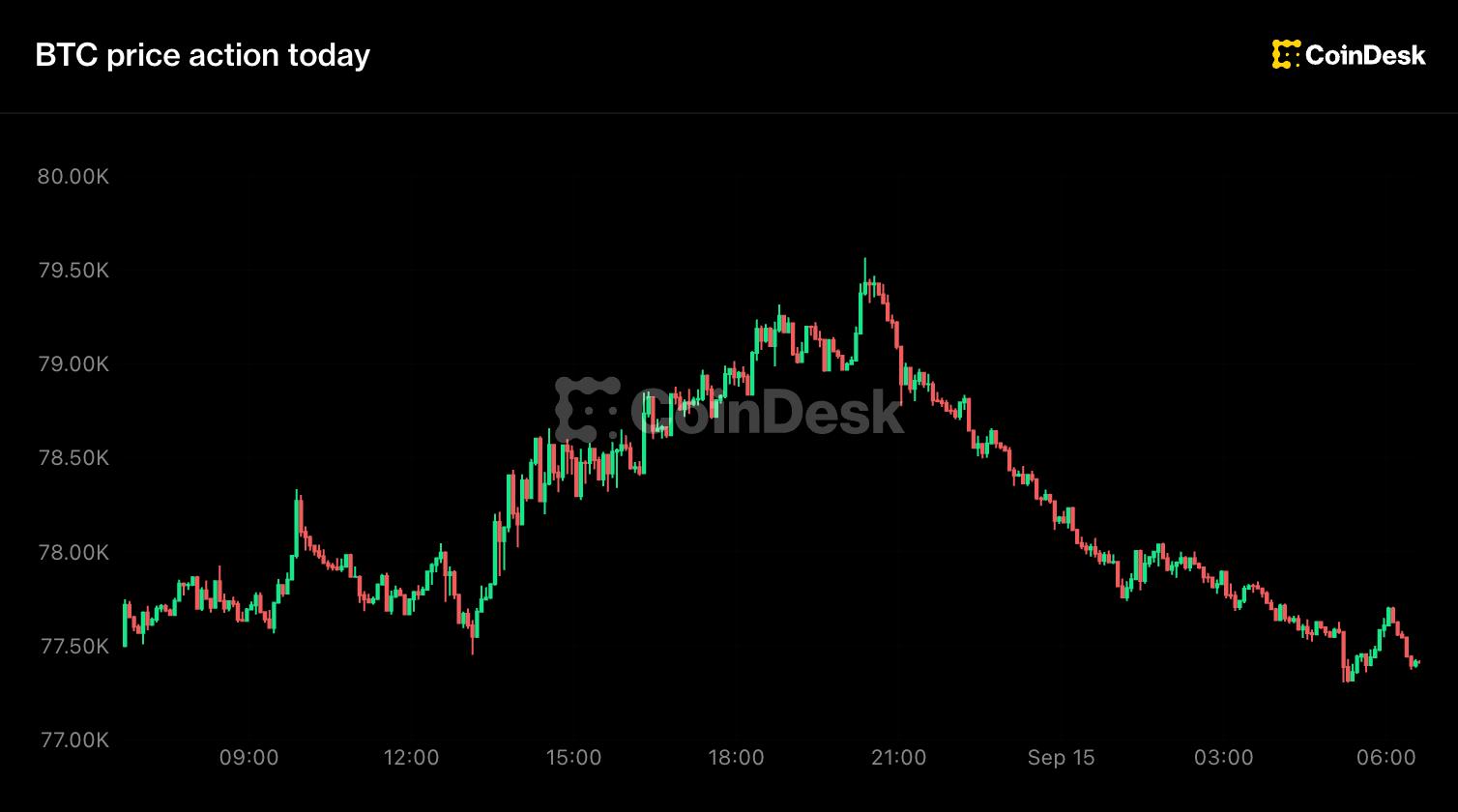
In March 2026, the U.S. Senate took a procedural vote on the “Crypto Market Structure Act,” a bill designed to clarify how crypto exchanges should operate. On the same day, Bitcoin fell about 3% from its peak of $79,530, while only a few other tokens such as XRP and Zcash showed modest gains. The price dip was not caused by the vote itself, but the event highlighted how legislative actions can create short‑term market uncertainty.
What it means for you
If you earn crypto through staking, cloud mining, or other passive‑income methods, market‑structure rules can affect you in several ways:
- Platform eligibility: Only exchanges and service providers that meet the new licensing standards will be able to operate legally. This could reduce the number of available platforms, but it may also increase confidence in the remaining ones.
- Fee structures: Compliance costs (legal, reporting, AML) often get passed on to users as higher trading or withdrawal fees.
- Asset availability: Some tokens might be delisted if they are deemed securities under the new definition, limiting the range of assets you can earn on.
- Consumer protection: Registered platforms must adhere to stricter security and disclosure standards, potentially lowering the risk of fraud or loss.
How to evaluate a platform under new regulations
When assessing whether a service is safe and suitable for earning crypto, consider these checkpoints:
- Check for a valid license from the relevant regulator (e.g., the SEC, CFTC, or a state‑level financial authority).
- Review the platform’s AML/KYC policies—mandatory identity verification is a good sign of compliance.
- Look at the fee schedule. Unexpectedly high fees may indicate that the platform is covering regulatory costs.
- Confirm that the platform provides transparent reporting of earnings, withdrawals, and any applicable taxes.
- Read independent user reviews and see if the service has been audited by a reputable third party.
FAQ
Will new market‑structure rules make crypto earning harder?
Not necessarily. While some platforms may close or raise fees, the remaining services often become more reliable and secure, which can benefit long‑term earners.
Do I need to register with the government if I only earn a small amount?
In most jurisdictions, you must report crypto earnings on your tax return regardless of size. Registration with a regulator is required only for the platforms you use, not for individual earners.
What happens if a token I’m staking is deemed a security?
Platforms may suspend staking for that token to stay compliant. You would need to withdraw or move your holdings to a compliant service, possibly incurring fees.
Can I still use decentralized exchanges (DEXs) after the law passes?
Decentralized exchanges often operate without a central entity, making regulatory enforcement more complex. Some jurisdictions may target users directly, while others focus on the developers. Stay informed about local guidance and consider the risk profile of using a DEX.
This article references reporting from coindesk.com.