Wondering how government rules affect the crypto projects you invest in or earn from? This article breaks down the United States regulatory landscape for digital assets, explains the roles of the key agencies, and shows what you need to know to protect and grow your online earnings.
What the regulatory framework actually is
In the United States, two federal agencies primarily oversee crypto‑related activities: the Securities and Exchange Commission (SEC) and the Commodity Futures Trading Commission (CFTC). The SEC’s mandate is to protect investors and maintain fair markets for securities. If a digital asset is deemed a security, the issuer must register the token, provide disclosures, and follow strict reporting rules. The CFTC, on the other hand, regulates commodities and derivatives. When a crypto asset is classified as a commodity—like Bitcoin—the CFTC can enforce rules on futures contracts, market manipulation, and fraud.
The line between a security and a commodity is not always clear. The “Howey Test,” a legal standard from a 1946 Supreme Court case, is often applied: if an investment involves money, a common enterprise, and an expectation of profit derived from the efforts of others, it is likely a security. Tokens that primarily serve as a medium of exchange or store of value usually fall under the commodity umbrella, while those that grant ownership rights, dividends, or voting power tend to be securities.
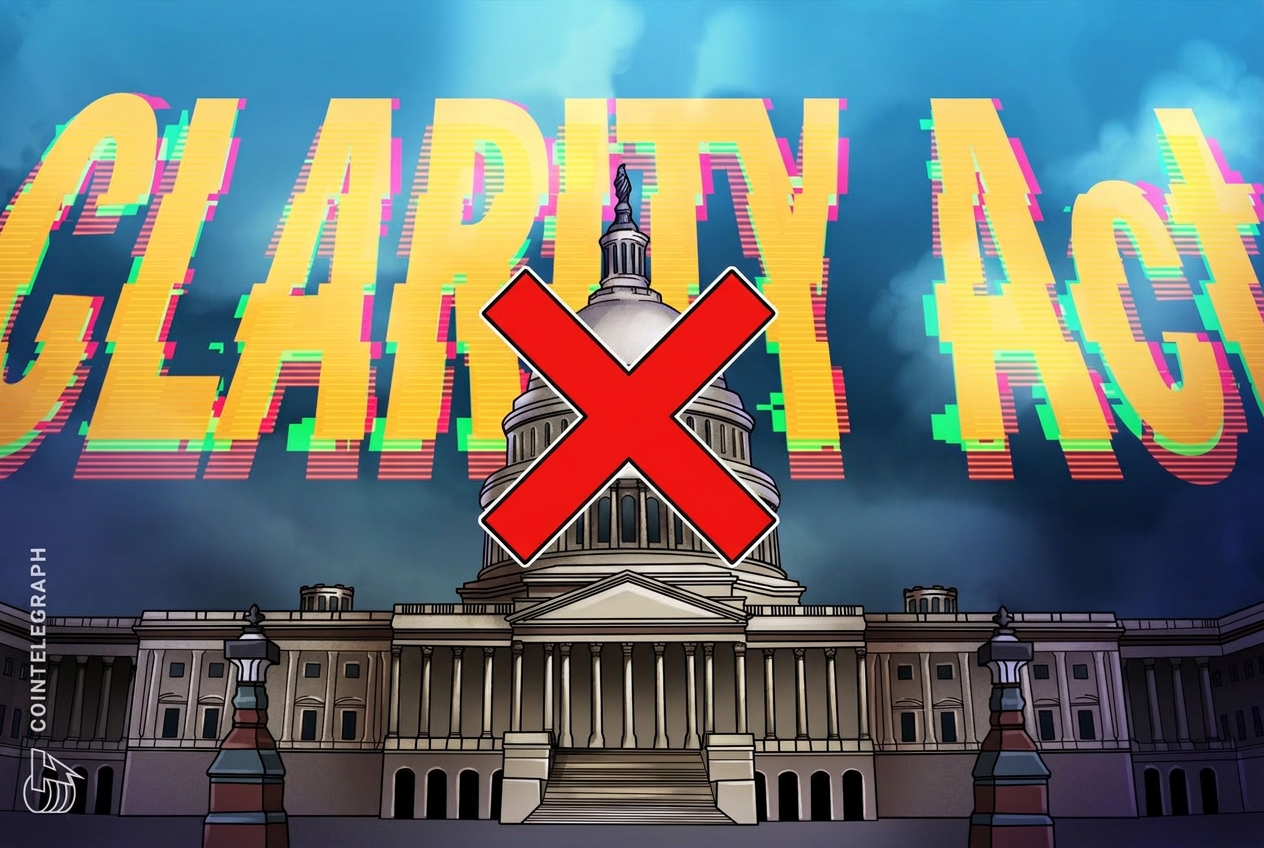
Because the two agencies have overlapping interests, the industry has called for a single, coherent set of rules. The proposed “CLARITY Act” aimed to delineate which parts of the crypto market belong to the SEC and which to the CFTC, reducing uncertainty for companies and investors alike.
Real‑world illustration
In September 2026, the U.S. Senate failed to advance the CLARITY Act. The cloture motion fell short of the 60 votes needed, leaving the bill stalled with only a few legislative days left before the new Congress convened. The setback caused a noticeable dip in crypto‑linked equities: shares of Coinbase and Circle each dropped about 10%, while Bitcoin mining firms such as Riot Platforms and CleanSpark fell between 4% and 6%.
What it means for you
Regulatory uncertainty can impact the price and availability of crypto‑related earning opportunities. If a token is classified as a security, platforms that offer it may need to obtain costly licenses, potentially limiting access or raising fees. Conversely, commodities‑based assets often enjoy broader market participation, which can mean more liquidity and easier entry for passive‑income strategies like staking or cloud mining.
For everyday earners, the key takeaway is that the regulatory label influences:
- Platform stability: Securities‑regulated platforms must meet stricter compliance standards, which can reduce the risk of fraud but may also limit the range of services offered.
- Reward structures: Staking or mining rewards on commodity‑type assets are less likely to be subject to securities‑law restrictions, making them more straightforward for passive‑income seekers.
- Tax reporting: The IRS treats securities and commodities differently for capital‑gain calculations, affecting how you report earnings.
What to check before you earn
When evaluating a crypto‑earning platform or token, keep an eye on these concrete factors:
- Regulatory classification: Look for public statements from the SEC or CFTC, or legal opinions, indicating whether the asset is a security or commodity.
- Licensing status: Verify that the platform holds the necessary licenses (e.g., a broker‑dealer license for securities or a futures commission merchant registration for commodities).
- Compliance disclosures: Reputable services publish transparency reports, audit results, and compliance policies.
- Geographic restrictions: Some platforms limit access to users in jurisdictions with clearer regulations; ensure your location is supported.
- Risk warnings: Any legitimate service will highlight the potential for loss, especially if regulatory changes could affect token utility or market access.
FAQ
Is Bitcoin considered a security?
No. The SEC has repeatedly stated that Bitcoin functions as a commodity, placing it under CFTC jurisdiction.
Can a token switch from being a commodity to a security?
Yes. If the token’s purpose changes—such as adding profit‑sharing features or voting rights—it may be re‑classified, which could affect how platforms handle it.
Do I need a special tax form for earnings from mining or staking?
Mining rewards are generally treated as ordinary income at the fair market value on the day they are received. Staking rewards may be considered either ordinary income or capital gains, depending on how the token is classified and how long you hold it before selling.
Will the failure of the CLARITY Act hurt my ability to earn crypto?
The immediate impact is market volatility, as seen in the September 2026 sell‑off. In the longer term, the lack of a unified regulatory framework can keep uncertainty high, which may affect platform offerings and the speed at which new earning products launch.
This article references reporting from cointelegraph.com.