Are you wondering how government rules shape the way you can earn crypto online? This article explains the basics of U.S. crypto regulation, what a legislative proposal like the Clarity Act tries to achieve, and what the outcome means for people looking to generate passive income.
The plain explanation
In the United States, financial activities are overseen by a network of agencies, most notably the Securities and Exchange Commission (SEC) and the Commodity Futures Trading Commission (CFTC). When a new law or amendment is introduced, it must pass through both houses of Congress and be signed by the President before it becomes enforceable.
A “crypto‑regulation” bill typically defines three things:
- What counts as a security. If a token is deemed a security, it must follow the same registration, reporting, and disclosure rules as stocks or bonds.
- Which activities are subject to licensing. Exchanges, custodians, and lenders may need to obtain specific licenses to operate legally.
- Consumer protections. Rules may require clear disclosures, anti‑money‑laundering (AML) procedures, and safeguards against fraud.
The goal is to create a predictable legal environment that protects investors while allowing innovation. However, the exact language of a bill can dramatically affect how easy it is for small platforms and individual earners to participate.
A real example
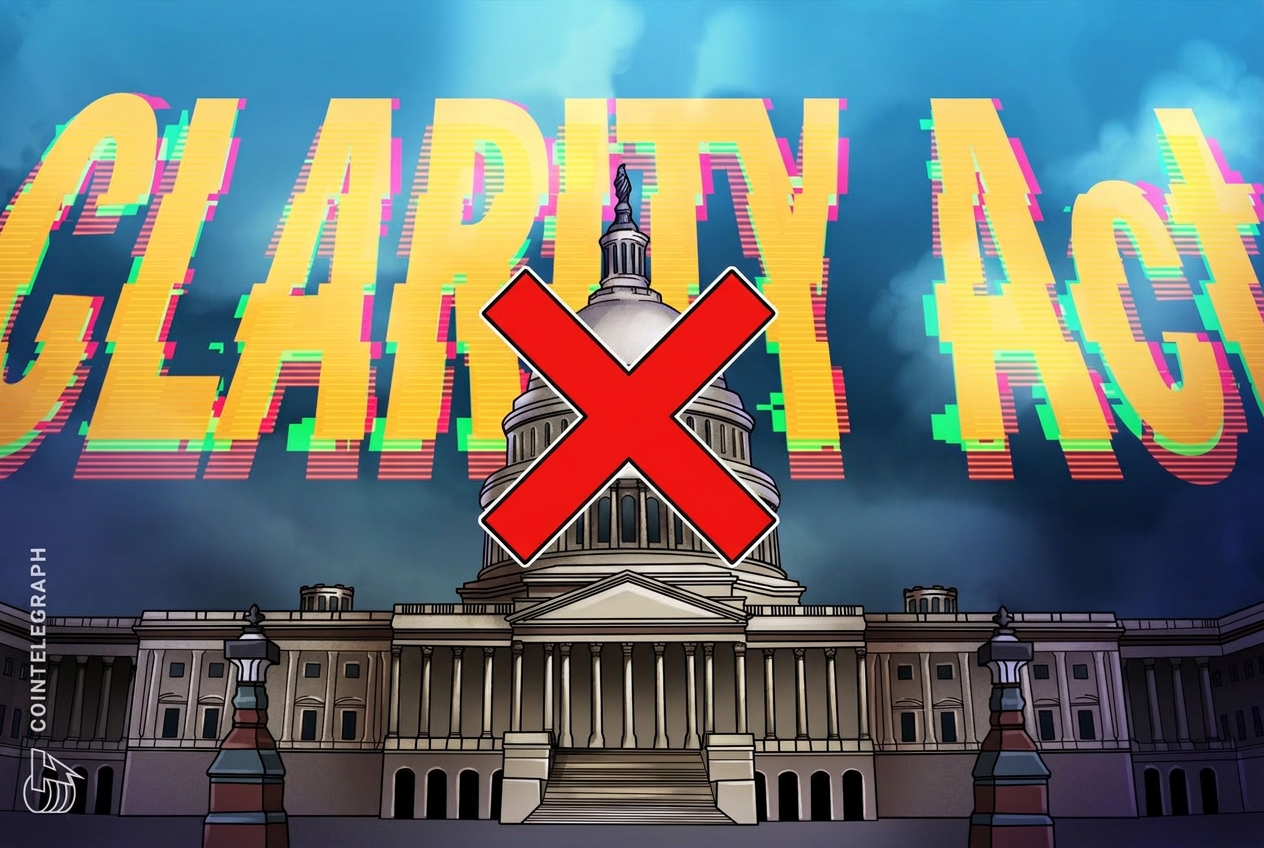
In March 2026, the U.S. Senate rejected the so‑called Clarity Act, a bipartisan effort to provide clearer definitions for crypto assets and to establish a streamlined licensing framework for crypto businesses. The vote fell short after several Republican senators opposed the Democrats’ counter‑proposal, which had sought to broaden the definition of “digital asset” to include many decentralized finance (DeFi) products.
The failure of the Clarity Act left the regulatory landscape unchanged, meaning existing ambiguities around token classification and licensing persisted. Market participants, including crypto‑stock issuers and DeFi platforms, continued to operate under the previous patchwork of guidance from the SEC, CFTC, and the Financial Crimes Enforcement Network (FinCEN).
What it means for you
If you are looking to earn passive income through staking, lending, or tokenized equity platforms, the outcome of the Clarity Act vote influences two main areas:
- Regulatory certainty. Without a clear legal definition, platforms may change their services abruptly to avoid enforcement actions. This can affect the availability of certain earning products.
- Access to traditional finance. Banks and institutional investors are more likely to work with crypto firms that have a solid regulatory footing. A failed bill can delay partnerships that would otherwise bring lower‑cost financing and higher yields to users.
In practice, you may notice that some platforms pause new user onboarding, adjust reward rates, or shift to jurisdictions with clearer rules. Keeping an eye on regulatory developments helps you anticipate these changes and avoid sudden disruptions to your earnings.
What to check / how to judge
- Licensing status. Verify whether the platform you use holds a money transmitter license, a broker‑dealer registration, or any other relevant authorizations.
- Token classification. Look for public statements on whether the tokens you earn are treated as securities. Platforms that treat tokens as utility assets often have fewer compliance burdens.
- Compliance transparency. Companies that publish AML/KYC policies, audit reports, and regulatory filings are generally more reliable.
- Jurisdiction. Services based in countries with clear crypto frameworks (e.g., Switzerland, Singapore) may offer more stability than those operating solely under U.S. uncertainty.
FAQ
Will the rejection of the Clarity Act stop all crypto earning opportunities?
No. Existing platforms can continue operating, but the lack of a unified regulatory definition may lead to short‑term adjustments in product offerings or reward structures.
How can I protect my earnings if regulations change?
Diversify across multiple reputable platforms, keep records of your transactions, and stay informed about any licensing updates or policy changes announced by the services you use.
Is it safer to use platforms that are based outside the United States?
Off‑shore platforms may benefit from clearer local regulations, but they can also face different legal risks. Evaluate each service on its own compliance track record rather than assuming geographic safety.
Do I need to report crypto earnings on my taxes?
Yes. In the United States, crypto earnings—whether from staking, lending, or token sales—are generally treated as taxable income. Consult a tax professional to ensure you meet reporting obligations.
This article references reporting from coindesk.com.