Are you wondering how the ever‑shifting U.S. regulatory landscape affects your ability to earn crypto through mining, staking, or cloud rewards? This article explains the core mechanisms of U.S. crypto regulation, what recent legislative setbacks reveal about the process, and how you can navigate the uncertainty when planning your online earnings.
What U.S. Crypto Regulation Actually Is
In the United States, crypto assets fall under the jurisdiction of several federal agencies, each with its own mandate:
- Securities and Exchange Commission (SEC): Oversees assets that qualify as securities. If a token is deemed an investment contract, the SEC requires registration or an exemption, and it enforces disclosure rules.
- Commodity Futures Trading Commission (CFTC): Treats many cryptocurrencies as commodities. The CFTC regulates derivatives, futures, and certain spot trading activities that involve these commodities.
- Financial Crimes Enforcement Network (FinCEN): Enforces anti‑money‑laundering (AML) and know‑your‑customer (KYC) rules for money‑transmission services, which can include crypto exchanges and wallet providers.
- Office of the Comptroller of the Currency (OCC) and Federal Reserve: Influence how banks interact with crypto‑related services, especially regarding custody and settlement.
Because no single law currently covers all aspects of digital assets, the industry often relies on a patchwork of agency guidance, court rulings, and occasional congressional bills. When Congress passes clear legislation, it can standardise definitions—what counts as a security, a commodity, or a money‑transmitter—thereby reducing the need for case‑by‑case interpretation.
Recent Legislative Setback as an Illustration
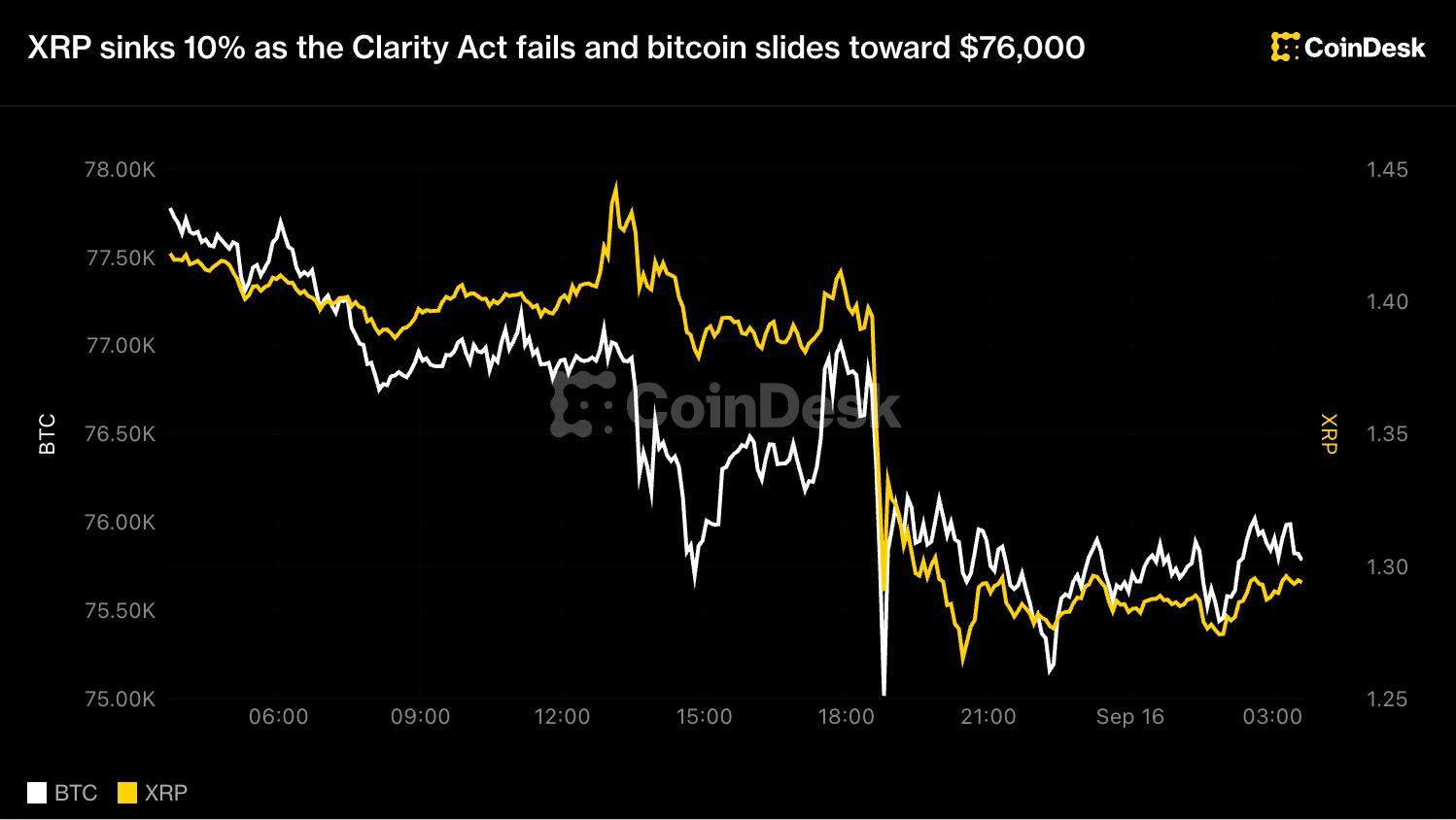
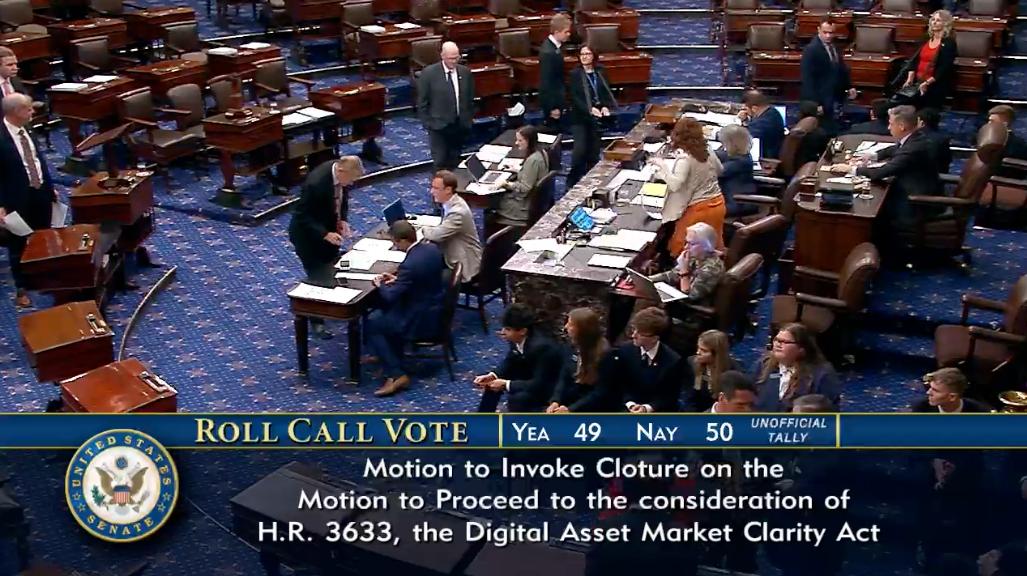
In September 2026, the Senate voted 49‑50 on a motion to invoke cloture for the CLARITY Act, falling short of the 60‑vote threshold needed to advance the bill. The failure meant the bill—intended to create a comprehensive regulatory framework for digital assets—did not move forward that session. Industry leaders, including Ripple CEO Brad Garlinghouse and SEC Chair Paul Atkins, subsequently pointed to the SEC and CFTC as the next sources of guidance. The setback highlights how, without legislative clarity, firms must rely on agency rulemaking, which can be slower and more discretionary.
What This Means for You
When regulatory certainty is low, the following practical effects are common for crypto earners:
- Higher Compliance Costs: Companies may need to conduct extensive legal reviews for each new product, passing those costs onto users through higher fees.
- Variable Product Availability: Some platforms may pause or limit services—such as staking pools or cloud mining contracts—until they receive clearer guidance.
- Increased Legal Risk: Users could face unexpected account freezes or loss of access if a service is later deemed non‑compliant with a new rule.
- Opportunity for Early Movers: Platforms that secure early approvals or adopt best‑practice compliance can attract users seeking stability.
How to Evaluate a Platform in an Uncertain Regulatory Environment
- Check Agency Registrations: Verify whether the platform is registered with the SEC as a broker‑dealer or with FinCEN as a money‑transmitter. Registrations are public and indicate a willingness to comply.
- Review Legal Disclosures: Look for clear, accessible terms that explain how the platform handles securities, commodities, and AML obligations.
- Assess Transparency of Governance: Platforms that publish regular updates on regulatory engagement—such as participation in SEC rulemaking comment periods—demonstrate proactive risk management.
- Consider Geographic Diversification: Using services that operate under multiple jurisdictions can reduce exposure to a single regulator’s decisions.
- Monitor Ongoing Rulemaking: Follow SEC and CFTC announcements. When a new rule is proposed, reputable platforms often release blog posts or FAQs explaining the impact.
FAQ
Is a crypto token automatically a security?
No. Whether a token is a security depends on the “Howey Test,” which examines if investors expect profits from the efforts of others. Tokens that function purely as utility or medium of exchange often fall outside the SEC’s securities definition.
Can I still earn passive income if a platform is waiting for regulatory approval?
You can, but you should verify that the platform’s current operations comply with existing agency rules. Look for clear disclosures about the legal basis for staking or mining services.
Do SEC and CFTC rules conflict with each other?
Generally, they cover different aspects: the SEC focuses on securities, while the CFTC regulates commodities. Overlap can occur, but agencies typically coordinate through inter‑agency working groups to avoid contradictory requirements.
What should I do if a platform I use suddenly shuts down due to a regulatory change?
First, review the platform’s user agreement for any clauses about regulatory shutdowns. Then, contact their support for asset retrieval options. Keeping assets in a personal wallet you control can also mitigate this risk.
This article references reporting from cointelegraph.com.