Are you wondering how a Bitcoin exchange‑traded fund (ETF) differs from buying the cryptocurrency directly, and why money moves in and out of these products? This article explains the mechanics of Bitcoin ETFs, how their performance is linked to the underlying asset, and what inflows and outflows can signal for someone looking to earn passive income from crypto.
What a Bitcoin ETF Actually Is
A Bitcoin ETF is a type of investment fund that tracks the price of Bitcoin and is listed on a traditional stock exchange. When you buy shares of a Bitcoin ETF, you are not holding the digital coins yourself; instead, you own a piece of a trust that holds Bitcoin or Bitcoin‑linked derivatives. The fund’s price moves in step with the spot price of Bitcoin, so the value of your shares rises and falls with the cryptocurrency’s market price.
Key terms:
- ETF (Exchange‑Traded Fund): A basket of assets that can be bought and sold like a stock during market hours.
- Spot Bitcoin: The actual market price of Bitcoin at a given moment, based on real trades.
- Net asset value (NAV): The total value of the fund’s holdings divided by the number of shares outstanding.
- Creation/Redemption process: Authorized participants can create new ETF shares by delivering Bitcoin to the fund, or redeem shares by receiving Bitcoin back, helping keep the ETF price aligned with the spot price.
How Bitcoin ETF Prices Stay Aligned With Bitcoin
ETF shares trade on exchanges like any other stock. If the market price of the ETF drifts away from the NAV, authorized participants (usually large financial institutions) step in. When the ETF trades at a premium—higher than the NAV—they can create new shares, deliver Bitcoin to the fund, and sell the newly minted shares for a profit, which pushes the price down. Conversely, if the ETF trades at a discount, participants can redeem shares for Bitcoin, reducing supply and pushing the price up. This arbitrage mechanism keeps the ETF price closely tied to Bitcoin’s spot price.
Real‑World Example: A Major Outflow in September 2026
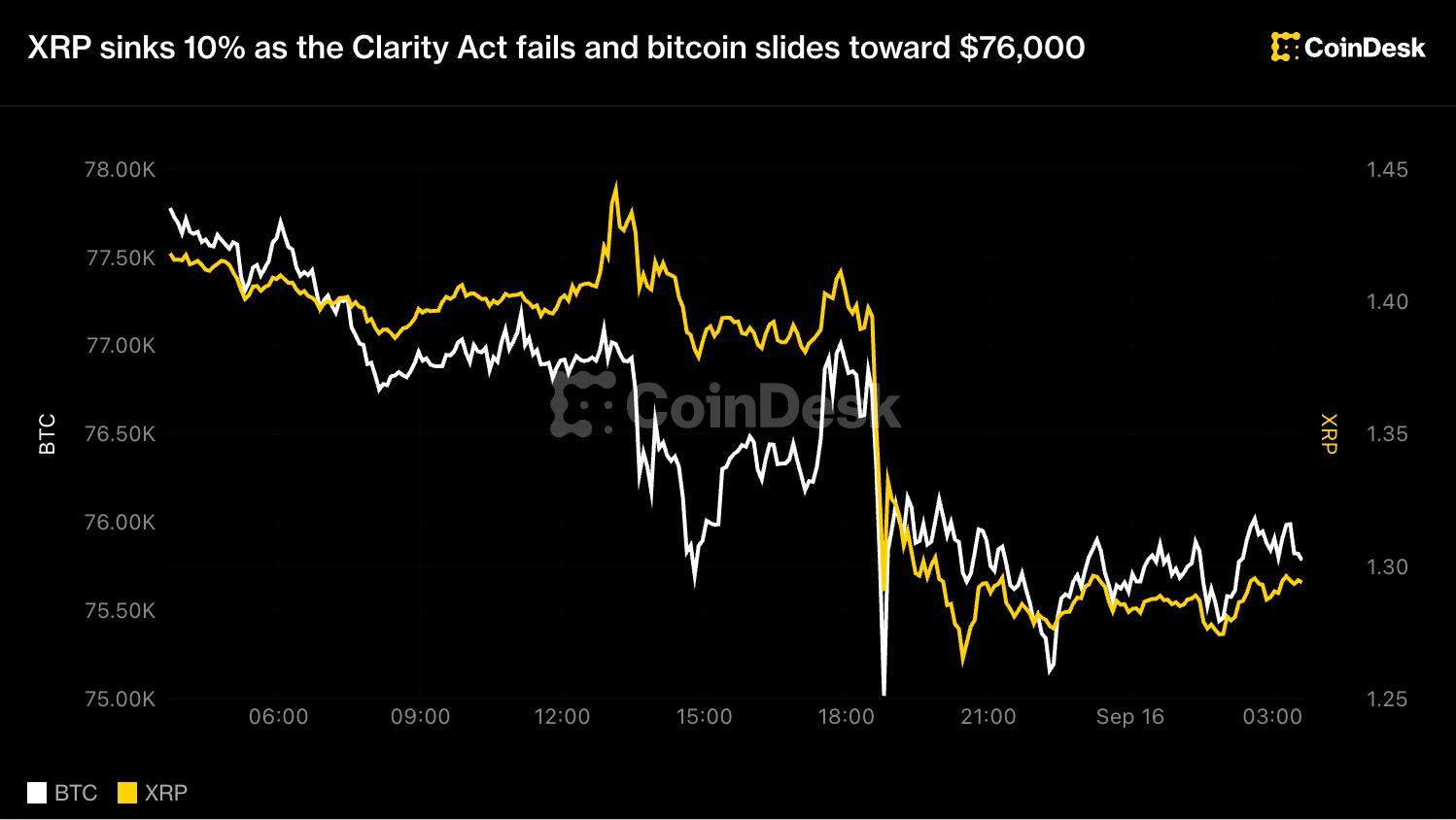
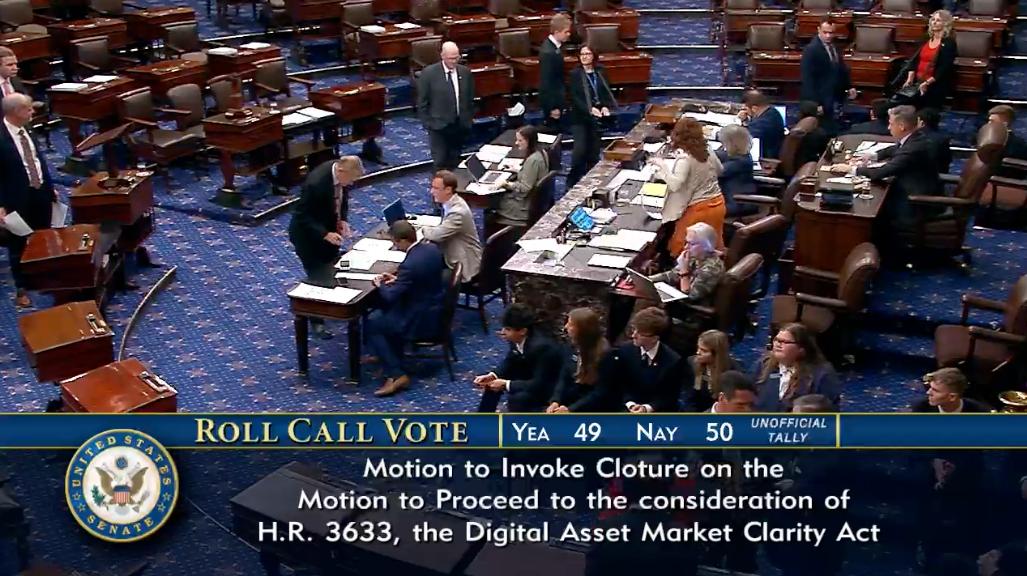
On September 16, 2026, the 13 U.S.-listed Bitcoin ETFs recorded a net outflow of $450.4 million, the largest single‑day withdrawal since June 2026. Fidelity’s FBTC led the outflows with $214.8 million leaving the fund, followed by BlackRock’s iShares Bitcoin Trust at $161.7 million. The outflow occurred as Bitcoin’s price slipped 2.5% to around $75,700, and a proposed crypto‑regulation bill (the CLARITY Act) failed to advance in the Senate. This example shows how market sentiment, regulatory news, and Bitcoin price movements can trigger large shifts in investor capital.
What This Means for You
If you are considering Bitcoin ETFs as a way to earn passive income, understand that your returns will mirror Bitcoin’s price changes, minus the fund’s expense ratio (the annual fee charged by the manager). Outflows like the September 2026 event can signal short‑term bearish sentiment, which may affect liquidity and the ease of buying or selling shares. However, ETFs generally offer lower custody risk than holding Bitcoin directly, because the fund handles secure storage and insurance.
Because ETFs trade on regulated exchanges, you can use traditional brokerage accounts, benefit from tax‑advantaged accounts (such as IRAs in the U.S.), and avoid the technical steps of setting up a wallet. On the downside, you give up direct control of the underlying Bitcoin and may face tracking error if the fund’s holdings or fees diverge from the spot price.
How to Evaluate a Bitcoin ETF Before Investing
- Expense Ratio: Compare the annual fee of each fund; lower ratios mean less drag on returns.
- Liquidity: Look at average daily trading volume and bid‑ask spread; higher liquidity makes it easier to enter or exit positions without large price impact.
- Custody and Insurance: Check whether the fund uses reputable custodians and offers insurance against theft or loss.
- Regulatory Status: Ensure the ETF is registered with the relevant securities regulator (e.g., the SEC in the United States) and complies with current crypto regulations.
- Tracking Accuracy: Review the fund’s historical NAV vs. market price to see how closely it tracks Bitcoin.
FAQ
Do Bitcoin ETFs pay dividends?
No. Bitcoin does not generate cash flow, so ETFs that simply hold the cryptocurrency do not distribute dividends. Any earnings come from price appreciation.
Can I hold Bitcoin ETFs in a retirement account?
Yes, many brokerages allow Bitcoin ETFs to be placed in tax‑advantaged accounts like IRAs, provided the fund is approved for such use.
What risks are specific to Bitcoin ETFs?
Besides the usual market risk of Bitcoin’s price volatility, ETF investors face regulatory risk (changes in law can affect fund operations), liquidity risk during extreme market moves, and the risk of tracking error due to fees or imperfect custody.
How do outflows affect the price of an ETF?
Large outflows can reduce the fund’s assets under management, potentially widening the bid‑ask spread and making it harder to trade. However, the creation/redemption mechanism usually keeps the ETF price aligned with Bitcoin’s spot price.
This article references reporting from cointelegraph.com.