Wondering how government rules affect the way you earn crypto online? This article breaks down the basics of crypto regulation, how it shapes earning opportunities, and what you should watch for as a participant in the ecosystem.
What crypto regulation actually is
Crypto regulation refers to laws, rules, and guidelines that governments create to oversee digital assets and related activities. These rules can cover a wide range of topics, such as:
- Classification: Whether a token is treated as a security, commodity, currency, or something else.
- Licensing: Requirements for exchanges, custodians, and service providers to obtain a permit before operating.
- Anti‑money‑laundering (AML) and Know‑Your‑Customer (KYC): Obligations to verify users’ identities and monitor transactions for illicit activity.
- Taxation: How gains from trading, staking, or mining are reported and taxed.
- Consumer protection: Rules that aim to prevent fraud, ensure transparency, and protect retail investors.
Each jurisdiction—whether a country, state, or even a city—can set its own approach. In the United States, for example, the Securities and Exchange Commission (SEC) may treat certain tokens as securities, while the Commodity Futures Trading Commission (CFTC) may view others as commodities. The result is a patchwork of overlapping rules that can be confusing for everyday users.
Real‑world illustration: the U.S. Senate’s “Clarity Act”
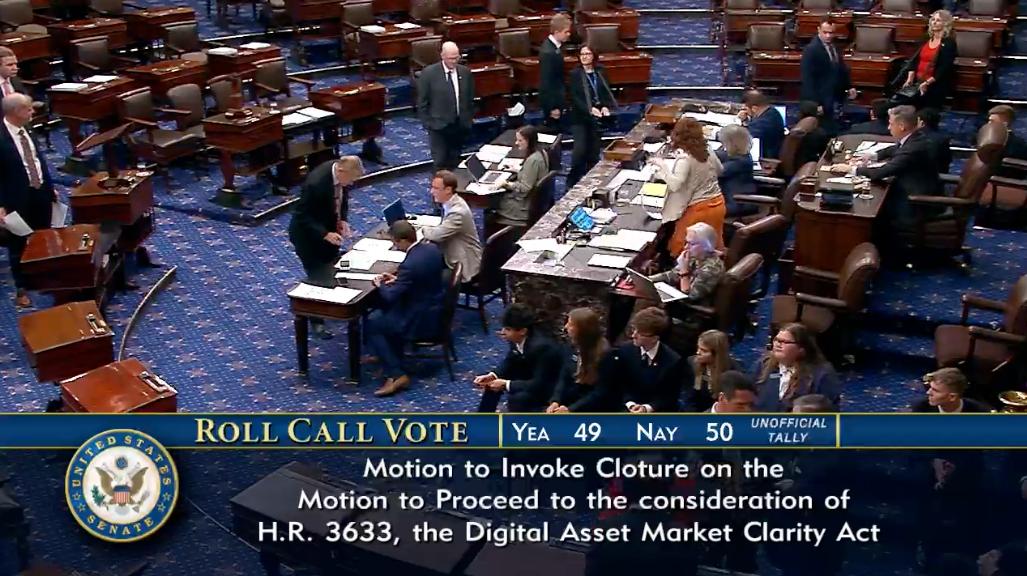
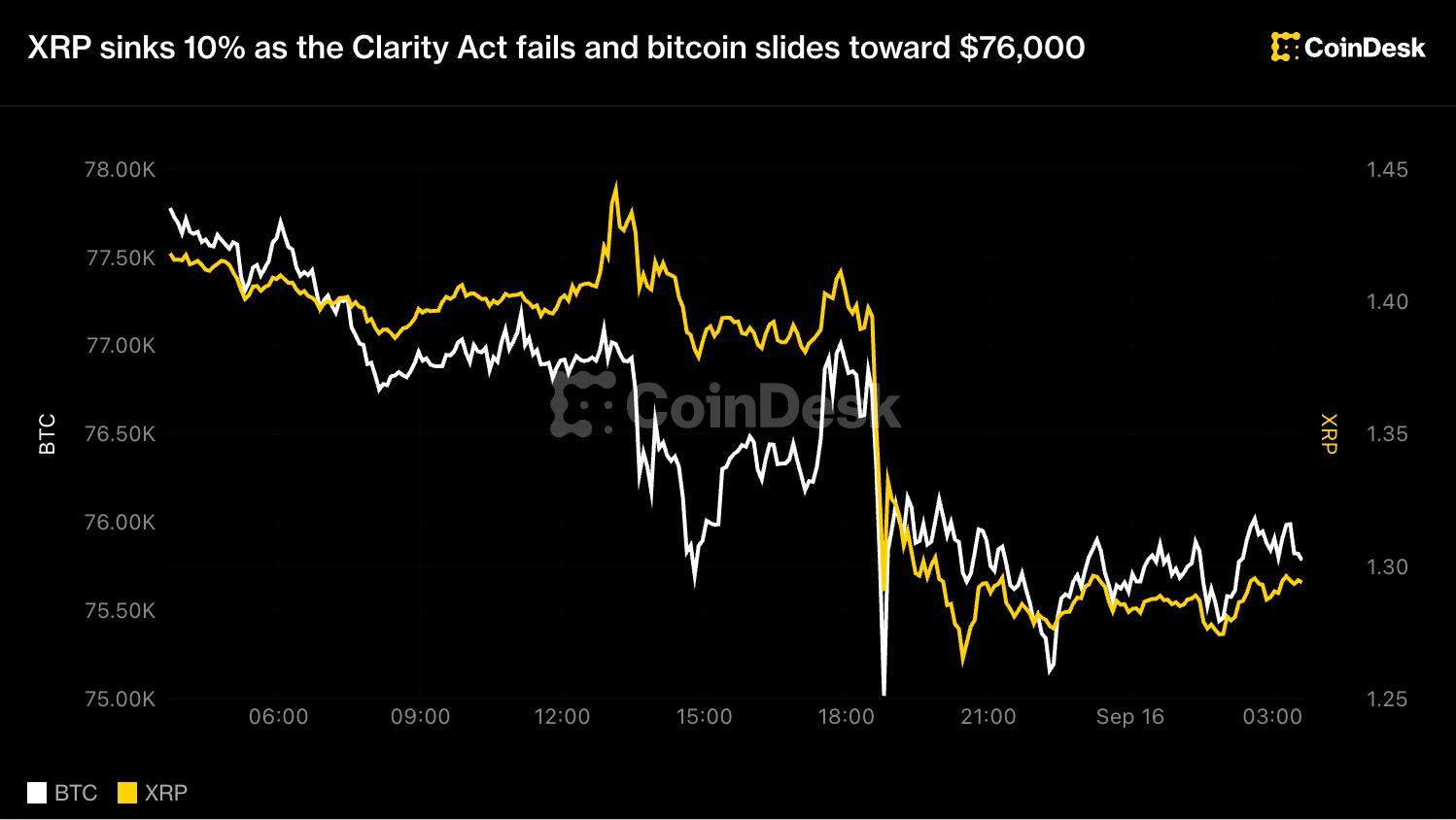
In March 2026, the U.S. Senate rejected the so‑called Clarity Act, a bipartisan effort to provide clearer definitions for digital assets and to set uniform reporting standards for crypto businesses. The vote caused a noticeable dip in crypto‑related equities, with XRP falling 10% and Bitcoin pulling back toward $76,000. The failure of the bill highlighted how legislative uncertainty can ripple through markets and affect the profitability of earning strategies that depend on stable regulatory expectations.
What this means for you as an online earner
Regulatory outcomes directly influence the safety, accessibility, and profitability of common earning methods such as staking, yield farming, and cloud mining. When rules are vague or in flux, platforms may pause new product launches, withdraw existing services, or impose stricter KYC procedures that add friction to your workflow. Conversely, clear and supportive regulation can encourage institutional participation, improve liquidity, and lower transaction costs, all of which can boost the returns you see from passive income streams.
How to evaluate the regulatory environment before you start earning
- Identify the jurisdiction: Determine where the platform you intend to use is legally based and where you reside. Different countries have different tax and licensing rules.
- Check the platform’s compliance status: Look for public statements about licenses, AML/KYC policies, and any recent regulatory actions.
- Watch legislative calendars: Major bills like the Clarity Act are often tracked by industry groups. Knowing when a vote is scheduled can help you anticipate market reactions.
- Assess risk exposure: If a platform operates in a jurisdiction with uncertain rules, consider diversifying your earnings across multiple services to reduce the impact of a sudden regulatory change.
- Stay informed about tax obligations: Even if a platform claims “tax‑free” earnings, you are still responsible for reporting income according to your local tax authority.
FAQ
Will a new regulation instantly stop my staking rewards?
Not necessarily. Most staking protocols are built into blockchain code, which cannot be altered by a single law. However, a platform that offers staking as a service might suspend new deposits or require additional verification to stay compliant.
How can I protect my earnings if a country bans a specific crypto activity?
Consider using services that operate in multiple jurisdictions or that have a clear legal framework. Moving assets to a wallet you control, rather than keeping them on a custodial platform, also gives you more flexibility to relocate funds if needed.
Do regulatory changes affect the price of the tokens I earn?
Yes. Market participants often price in regulatory risk. A favorable law can lift sentiment and push prices up, while a restrictive measure can cause sell‑offs, as seen with the price dip after the Clarity Act vote.
Is it safe to earn crypto on platforms that haven’t publicly disclosed their licensing?
Proceed with caution. Lack of transparency may signal that a platform is operating in a legal gray area, which can increase the risk of sudden shutdowns, asset freezes, or legal action against users.
This article references reporting from coindesk.com.