Are you wondering how government rules can affect the money you earn from crypto activities? This article explains the basics of crypto regulation, how it works, and what you should consider when the political landscape shifts.
What crypto regulation actually is
Crypto regulation refers to laws and rules that governments create to oversee digital assets such as Bitcoin, Ethereum, and stablecoins. These rules can cover a range of topics, including:
- Consumer protection: ensuring that investors are not misled by fraudulent projects.
- Anti‑money‑laundering (AML) and know‑your‑customer (KYC) requirements: obliging exchanges and wallet providers to verify users’ identities.
- Tax treatment: defining how profits from trading, staking, or mining are reported.
- Securities classification: deciding whether a token is treated like a stock, which brings additional disclosure rules.
Regulators typically act through legislation (laws passed by a parliament or congress) or through regulatory agencies that issue guidelines and enforcement actions. In the United States, the Securities and Exchange Commission (SEC), the Commodity Futures Trading Commission (CFTC), and the Financial Crimes Enforcement Network (FinCEN) all have a role in shaping the crypto environment.
Real‑world illustration
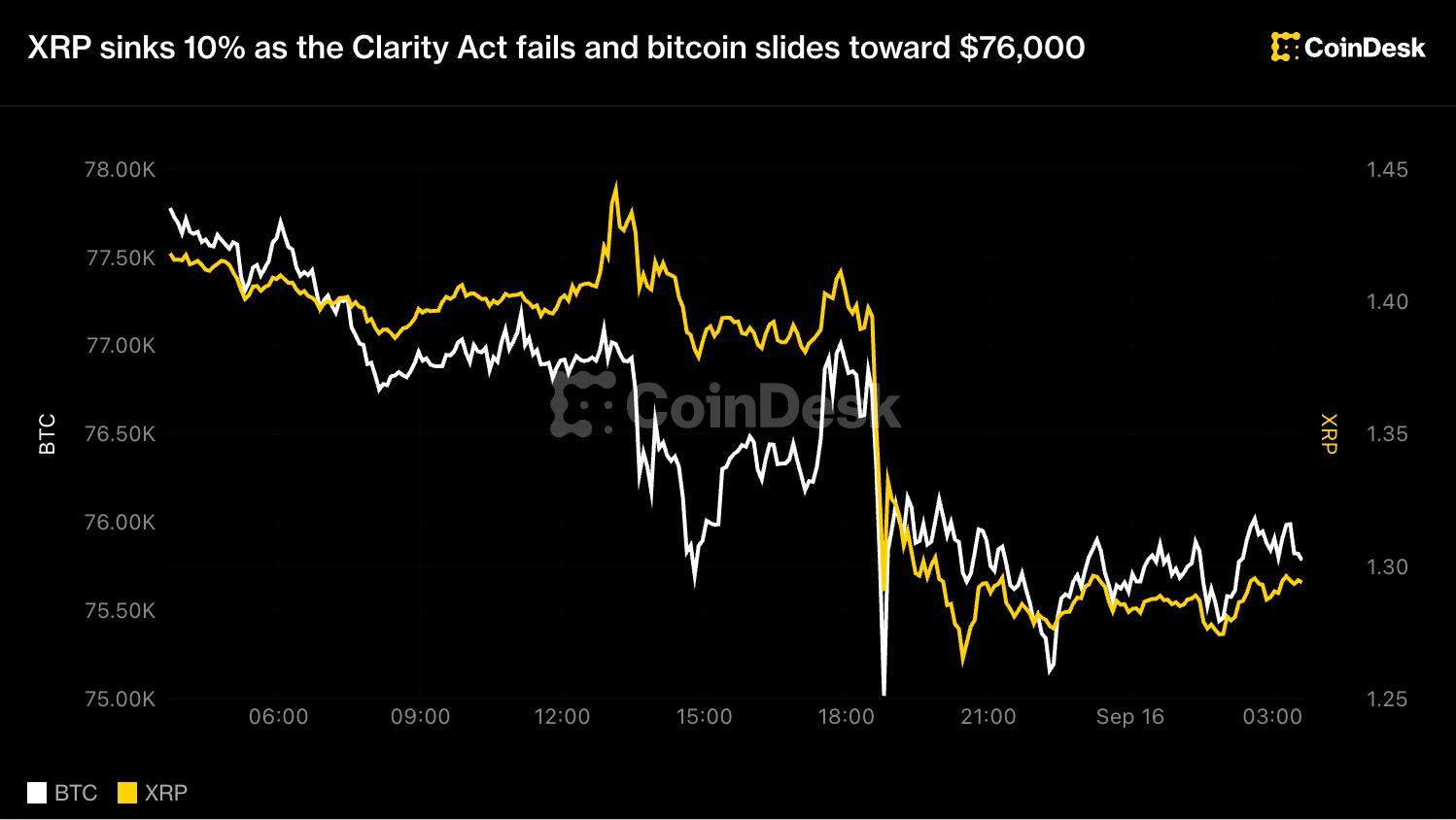
In March 2026, the U.S. Senate rejected the so‑called “Clarity Act,” a proposal intended to provide clearer definitions for digital assets and establish a framework for their regulation. The vote caused a sharp sell‑off in several crypto‑related assets, with long positions worth roughly $570 million being liquidated and the price of XRP falling 10 percent. The episode shows how a single legislative outcome can ripple through markets, affecting both traders and long‑term holders.
What it means for you
If you earn crypto through trading, staking, lending, or mining, regulatory changes can influence three key areas:
- Market volatility: News about pending or failed legislation often triggers rapid price swings, which can erode profits or trigger margin calls.
- Access to services: Exchanges or DeFi platforms may be forced to shut down in certain jurisdictions, limiting where you can move or convert your earnings.
- Compliance costs: New KYC or reporting requirements may require you to share personal data or keep detailed transaction records, adding administrative overhead.
How to evaluate regulatory risk
When assessing a crypto‑earning opportunity, keep these checkpoints in mind:
- Jurisdiction: Identify the country or region where the platform operates and where you reside. Regulations differ widely, and a platform compliant in one area may be illegal in another.
- Legal status of the token: Check whether the token is classified as a security, commodity, or something else. Security classification often brings stricter reporting and disclosure rules.
- Compliance infrastructure: Look for clear KYC/AML policies, transparent terms of service, and a history of cooperating with regulators.
- Risk disclosures: Reputable platforms will outline the regulatory risks associated with their services. Absence of such information is a red flag.
FAQ
Will a failed bill always cause my crypto holdings to lose value?
Not necessarily. Market reactions depend on how investors interpret the outcome. A failed bill may remove uncertainty and eventually support prices, but short‑term panic selling is common.
Do I need to report crypto earnings if the regulation is unclear?
Most tax authorities require reporting of any realized gains, regardless of regulatory clarity. Keeping detailed records of purchases, sales, and earnings is the safest approach.
Can I avoid regulatory risk by staying in decentralized platforms?
Decentralized platforms can reduce reliance on a single jurisdiction, but they are not immune to regulatory action. Authorities may target users, developers, or gateway services that connect to the traditional financial system.
How often do crypto regulations change?
Regulatory landscapes evolve as governments learn more about digital assets. Major changes often follow high‑profile events such as large hacks, market crashes, or legislative proposals like the Clarity Act.
This article references reporting from coindesk.com.