Are you wondering why some blockchain projects keep a large stash of their own tokens in a “development fund” and how that impacts the rewards you can earn? This article explains what a development fund is, how it functions within a protocol, and what you should consider when evaluating projects that use one.
The plain explanation
A development fund is a pool of a blockchain’s native tokens that is set aside to pay for ongoing work on the protocol—such as code upgrades, security audits, research, and community grants. Unlike tokens that are freely traded on the market, these tokens are typically locked in a smart contract or a designated address and are released only through a governance process.
Key terms:
- Block subsidy: The newly minted tokens that are created each time a block is added to the blockchain.
- Governance: The set of rules and mechanisms that allow token holders or designated bodies to decide how the fund is spent.
- Halving schedule: A programmed reduction in the block subsidy, often occurring at regular intervals, which can affect how many new tokens flow into the fund.
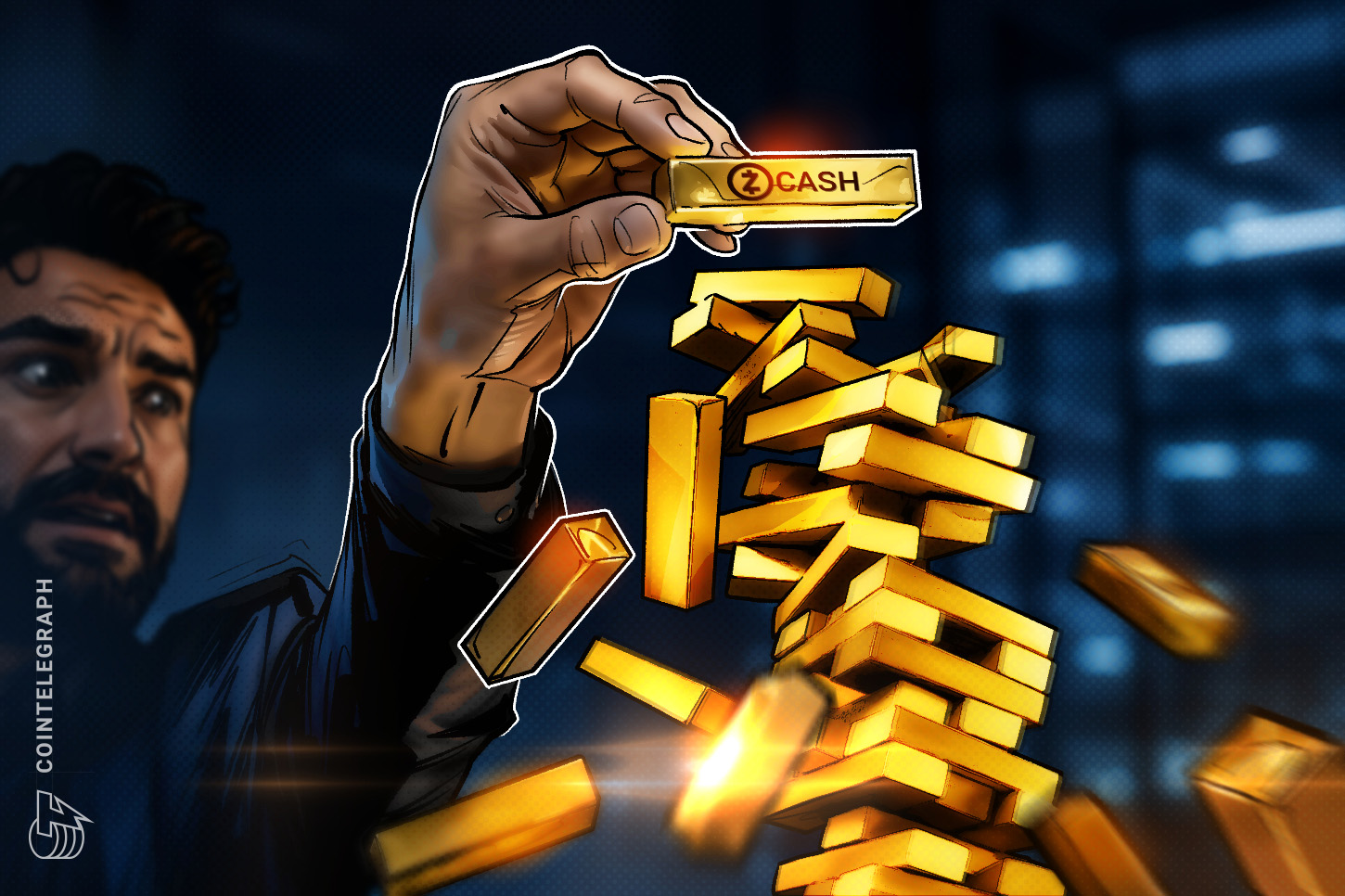
In many proof‑of‑work (PoW) networks, a small percentage of the block subsidy is automatically diverted to the development fund. For example, Zcash’s fund accrues 0.1875 ZEC per block, representing about 12 % of the total block reward under its NU6 upgrade. These tokens sit outside normal circulation until the community votes to release them.
A real example
In September 2026, the Zcash development fund held 63,962 ZEC, valued at roughly $95 million. Venture‑capitalist Haseeb Qureshi, managing partner at Dragonfly, suggested that the fund be wound down when it expires under current rules in 2028, arguing that its size makes further contributions unnecessary and that a large, politicized fund could become a governance risk. Other voices, such as Paradigm founder Matt Huang, argued that the fund remains essential, especially given emerging AI and quantum‑computing threats to privacy‑focused chains.
This debate highlights two core issues: the financial sustainability of the fund and the governance model used to control it. Some community members propose pure token‑holder voting, while others favor hybrid models that combine elected councils with broader token‑holder input.
What it means for you
If you are looking to earn passive income through staking, mining, or participating in a project’s grant program, the existence and health of a development fund can affect both the security of the network and the availability of reward opportunities. A well‑funded development fund often signals that the project can afford regular security audits and feature upgrades, which can reduce the risk of bugs that might jeopardize your earnings.
Conversely, a fund that is poorly governed or becomes a source of political conflict may lead to delays in upgrades or even forks, potentially impacting token price stability and the reliability of any rewards tied to the protocol.
What to check / how to judge
- Funding source and rate: Identify how the fund is financed (e.g., a fixed % of block rewards) and whether that rate is sustainable given the network’s inflation schedule.
- Governance structure: Look for clear rules on who can propose and approve expenditures. Hybrid models that combine elected councils with token‑holder voting often balance efficiency and decentralisation.
- Transparency: Reputable projects publish regular reports on fund balances, spending, and upcoming grant cycles. Lack of transparency can be a red flag.
- Use of funds: Check whether the fund supports security audits, research, and community grants rather than speculative marketing. Funding security directly benefits earners by protecting the network.
- Community sentiment: Active discussion on forums or social media can reveal whether the community trusts the fund’s management. Persistent disputes may indicate future governance challenges.
FAQ
Why do some projects allocate a portion of block rewards to a development fund?
Diverting a small share of newly minted tokens ensures a steady, on‑chain source of financing for essential work such as code upgrades, security audits, and ecosystem grants, without relying on external fundraising.
Can I earn directly from a development fund?
Typically, the fund itself does not pay out rewards to individual token holders. However, projects may offer grant programs or bounty opportunities that allow contributors to earn tokens for specific work, indirectly linking the fund to earning potential.
What risks are associated with a large, politicised development fund?
When a fund becomes a focal point for political disputes, decision‑making can stall, leading to delayed upgrades or forks. This uncertainty can affect network stability and, consequently, the value of any rewards you receive.
How does the governance model affect the safety of my earnings?
A clear, accountable governance process reduces the chance of misallocation or misuse of funds, which helps maintain the network’s security and reliability—key factors for any passive‑income strategy built on that blockchain.
This article references reporting from cointelegraph.com.