Do you wonder how banks can trade tokenized assets without relying on private stablecoins or risky intermediaries? This article explains what central‑bank money is, how it can be used to settle tokenized wholesale transactions, and what that means for anyone looking to earn or participate in the emerging tokenized finance ecosystem.
The plain explanation
Tokenized assets are traditional financial instruments—such as bonds, equities, or funds—that have been represented on a distributed‑ledger (DL) system as digital tokens. The token acts as a digital record of ownership, while the underlying asset remains the same. For a trade to be complete, the buyer must receive cash (or an equivalent) in exchange for the token. In the traditional banking world, this cash settlement happens through central‑bank money, the most trusted form of money because it is a liability of the central bank itself.
Central‑bank money differs from commercial‑bank money (the deposits you hold at your bank) and from private stablecoins (cryptocurrencies pegged to a fiat currency). It is the base layer of the monetary system, used for interbank payments and settlement of large‑value transactions. Because it is backed directly by the central bank, it carries the lowest credit risk and is universally accepted within the jurisdiction.
When a tokenized asset is traded, the transaction can be settled in three main ways:
- Stablecoins: Private entities issue a digital token pegged to a fiat currency. Settlement depends on the issuer’s ability to maintain the peg and on regulatory oversight.
- Tokenized commercial‑bank deposits: Banks issue their own digital representations of deposits. Settlement risk depends on the bank’s creditworthiness.
- Central‑bank money: The trade is settled using the central bank’s own digital cash, eliminating credit risk and providing a direct link to the sovereign monetary system.
To use central‑bank money for tokenized trades, a platform must connect the distributed‑ledger where the token lives to the central bank’s payment infrastructure. In Europe, the Eurosystem’s TARGET Services provide the real‑time gross settlement (RTGS) system for large‑value euro payments. By linking a DL to TARGET, banks can move tokenized assets on the ledger while simultaneously moving central‑bank euros on the settlement side.
A real example
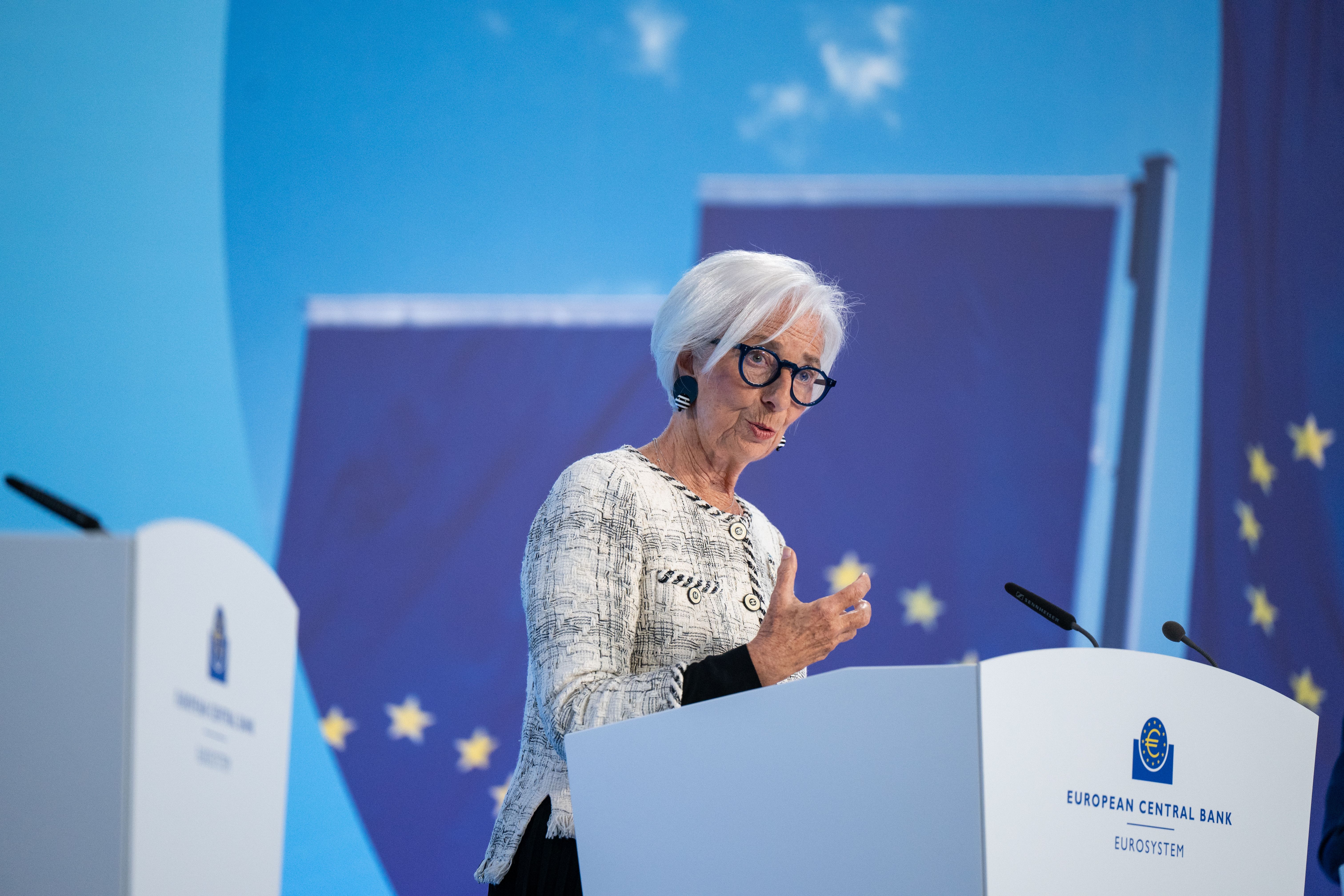
On 23 May 2026, the European Central Bank (ECB) launched Pontes, a wholesale platform that connects eligible financial institutions to the Eurosystem’s TARGET Services. Pontes allows banks to settle tokenized‑asset transactions—such as tokenized bonds or funds—directly in central‑bank euros. The platform is limited to qualified banks and market‑infrastructure providers, keeping the settlement environment secure and compliant. Pontes is distinct from the retail digital euro pilot planned for 2027‑2029; it focuses on wholesale, high‑value trades.
What it means for you
If you are interested in earning through tokenized finance—whether by providing liquidity, running a node on a DL, or investing in tokenized securities—the availability of central‑bank settlement offers several benefits:
- Lower counter‑party risk: Settling in central‑bank money removes the credit exposure you would have with private stablecoins or a single commercial bank.
- Regulatory clarity: Central‑bank settlement aligns with existing financial‑market regulations, making it easier for institutions to obtain the necessary approvals.
- Improved liquidity: When participants trust the settlement layer, more banks are willing to trade tokenized assets, which can enhance market depth and potentially improve returns for liquidity providers.
For individuals, this does not mean you can directly access Pontes, but it signals that the broader ecosystem is moving toward safer, more reliable settlement mechanisms. Platforms that build on or integrate with such central‑bank‑backed infrastructure are likely to be more sustainable and trustworthy.
What to check / how to judge
When evaluating a tokenized‑asset service, consider the following criteria:
- Settlement method: Does the platform settle in central‑bank money, stablecoins, or commercial‑bank deposits? Prefer central‑bank settlement for lower risk.
- Regulatory status of participants: Are the counterparties licensed banks or regulated entities?
- Technology integration: Is the platform linked to a recognized payment system (e.g., TARGET, Fedwire, CHIPS) or does it rely on a proprietary ledger?
- Transparency of custody: How are the underlying assets and the cash side held? Look for clear custodial arrangements and audit reports.
- Liquidity provisions: Does the service offer market‑making or liquidity incentives that are funded sustainably?
FAQ
What is the difference between a stablecoin and central‑bank money?
A stablecoin is a privately issued digital token that aims to maintain a stable value, usually by being backed by reserves. Central‑bank money is a liability of the sovereign central bank, carrying the highest credit quality and legal tender status.
Can I use Pontes as a retail investor?
No. Pontes is a wholesale platform reserved for eligible banks and market‑infrastructure providers. Retail investors can benefit indirectly when the overall market becomes safer and more liquid.
Do tokenized assets always need a separate cash settlement?
Yes. The token represents ownership, but the buyer must receive cash (or an equivalent) to complete the trade. Settlement can occur via stablecoins, tokenized deposits, or central‑bank money, each with different risk profiles.
Is central‑bank settlement a guarantee of safety?
It greatly reduces credit risk because the cash side is a direct liability of the central bank. However, other risks—such as smart‑contract bugs, operational failures, or regulatory changes—still exist and should be evaluated.
This article references reporting from coindesk.com.