Ever wonder how a traditional stock can exist on a blockchain and whether it offers a real way to earn passive income? This article breaks down the concept of tokenized stocks, explains the mechanics behind them, and shows you what to look for before you consider adding them to your portfolio.
The plain explanation
A tokenized stock is a digital representation of a share of a publicly traded company that lives on a blockchain. Instead of holding a paper certificate or a record in a broker’s database, you own a cryptographic token that is backed 1‑to‑1 by an actual share held in a custodial account. The token follows a standard such as ERC‑20 (for Ethereum) or a similar format on other chains, which lets it be transferred, stored in a wallet, and used in decentralized finance (DeFi) applications.
The process typically involves three steps:
- Custody. A regulated custodian purchases the real shares and holds them in a segregated account.
- Issuance. For each share held, the custodian creates a corresponding blockchain token. The token’s smart contract records the total supply and ensures that each token is redeemable for the underlying share.
- Trading. The tokens can be bought, sold, or transferred on crypto exchanges or specialized token‑stock platforms. When you sell a token, the custodian either transfers the underlying share to the buyer’s custodian or swaps another token of the same company.
Because the tokens live on a public ledger, transactions settle almost instantly, and owners can hold them in any compatible wallet. However, the legal ownership of the underlying share still rests with the custodian, so the token’s rights (dividends, voting, etc.) depend on the custodian’s policies and the regulatory framework governing the arrangement.
A real example
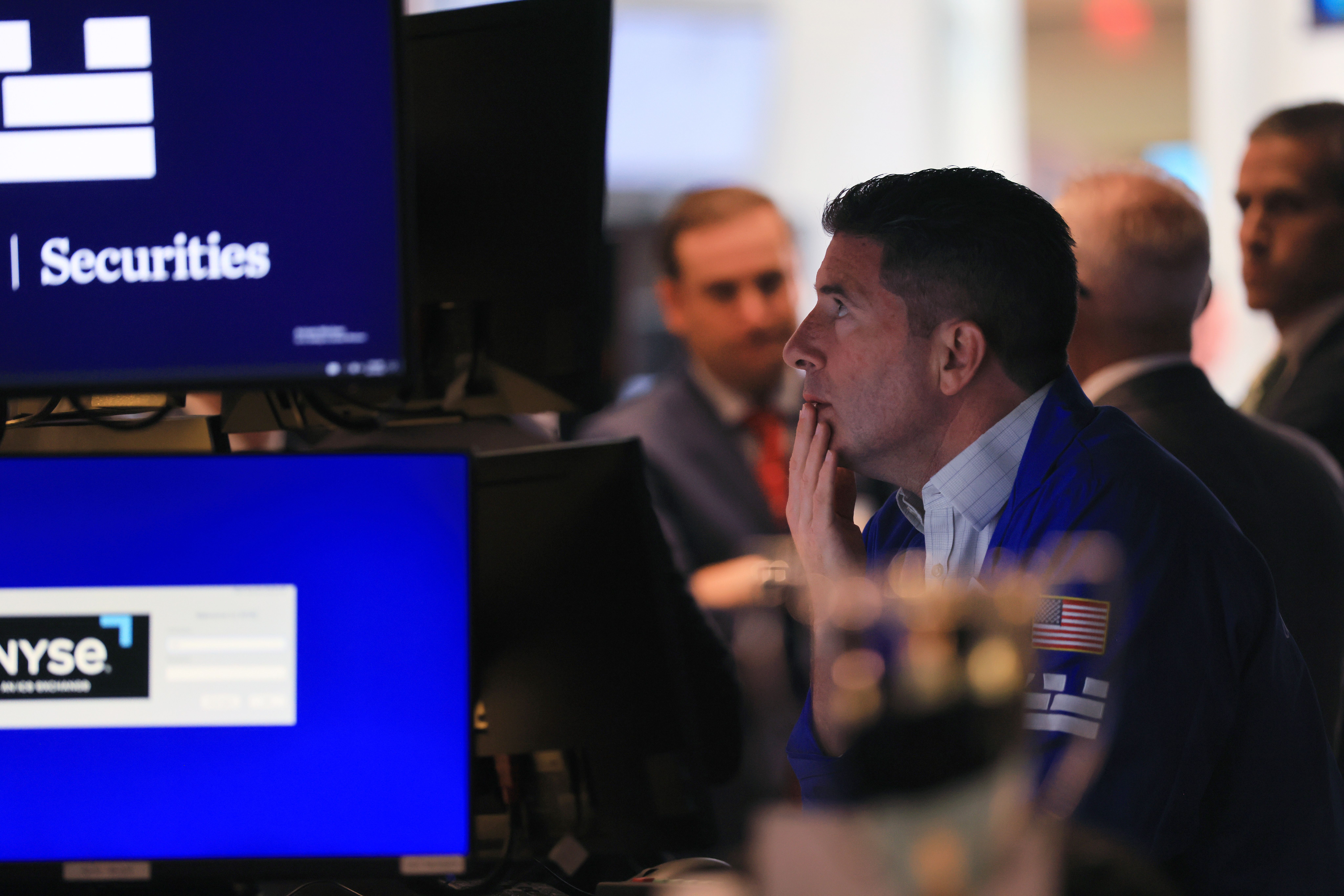
In September 2026, an investment bank publicly stated that it expects little demand for tokenized stocks despite the U.S. Securities and Exchange Commission (SEC) introducing new trading rules that aim to clarify how these digital securities can be offered. The bank’s comment reflects ongoing uncertainty about whether retail investors will embrace tokenized shares when traditional brokerage services already provide fast, low‑cost trading.
What it means for you
If you are looking for ways to earn online, tokenized stocks present a hybrid of traditional equity investing and crypto‑style accessibility. Potential benefits include:
- Faster settlement. Trades can clear in minutes rather than the typical two‑day settlement cycle for conventional stocks.
- Access to global markets. A single crypto wallet can hold tokenized shares of companies listed on exchanges worldwide, without needing multiple brokerage accounts.
- Integration with DeFi. Some platforms allow you to lend your tokenized stocks for interest or use them as collateral for borrowing.
On the flip side, you face additional risks:
- Custodial risk. Your ownership depends on the custodian’s ability to hold the underlying shares securely.
- Regulatory risk. Laws governing tokenized securities are still evolving, and future rules could affect your rights or the token’s liquidity.
- Technology risk. Smart contract bugs or blockchain congestion could delay transfers or expose you to loss.
What to check / how to judge
Before buying tokenized stocks, evaluate the following:
- Custodian reputation. Verify that the custodian is a licensed financial institution with a track record of safeguarding assets.
- Regulatory compliance. Ensure the token offering is registered or qualifies for an exemption under the relevant securities laws.
- Smart contract audit. Look for independent security audits of the token’s contract code.
- Liquidity. Check whether the token trades on reputable exchanges and whether there is sufficient daily volume.
- Rights and fees. Understand how dividends are distributed, whether voting rights are passed through, and what custodial or platform fees apply.
FAQ
Do tokenized stocks pay dividends?
Yes, if the custodian passes dividend payments to token holders. The exact method varies—some platforms credit dividends directly to your wallet, while others require you to claim them manually.
Can I vote on shareholder matters with a token?
Voting rights depend on the custodian’s policy. Some custodians allow token holders to vote through a proxy process; others do not pass voting rights to token owners.
Are tokenized stocks safer than buying crypto directly?
They are generally considered less volatile than pure cryptocurrencies because their value is tied to the underlying equity. However, they still carry custodial, regulatory, and technical risks that differ from traditional brokerage accounts.
Do I need a special wallet?
You need a wallet that supports the token’s blockchain standard (e.g., an ERC‑20 compatible wallet for Ethereum‑based tokens). Most popular hardware and software wallets meet this requirement.
This article references reporting from coindesk.com.