Ever wonder why Bitcoin’s price can jump dramatically in a short period, or why traders warn about “leverage” building up? This article explains what short selling, leverage, and short squeezes are, how they work in the crypto market, and what they mean for anyone trying to earn or invest online.
What a Short Squeeze Is and How Leverage Works
In a short sale, a trader borrows an asset—like Bitcoin—and sells it immediately, hoping the price will fall. Later, the trader buys the same amount back at a lower price, returns the borrowed asset, and pockets the difference. If the price instead rises, the short seller must buy back at a higher price, incurring a loss.
Leverage lets traders control a larger position than the capital they actually have. For example, with 10× leverage, a $1,000 margin can be used to open a $10,000 position. While leverage magnifies potential profits, it also magnifies losses. If the market moves against a leveraged position, the trader may receive a margin call—a demand to add more funds—or the position can be automatically liquidated.
A short squeeze occurs when many short sellers are forced to close their positions at once. As the price rises, short sellers scramble to buy back the asset to limit losses. Their buying adds further upward pressure, pushing the price even higher. This feedback loop can cause rapid, large price spikes.
Real‑World Example: Bitcoin’s Recent Price Surge
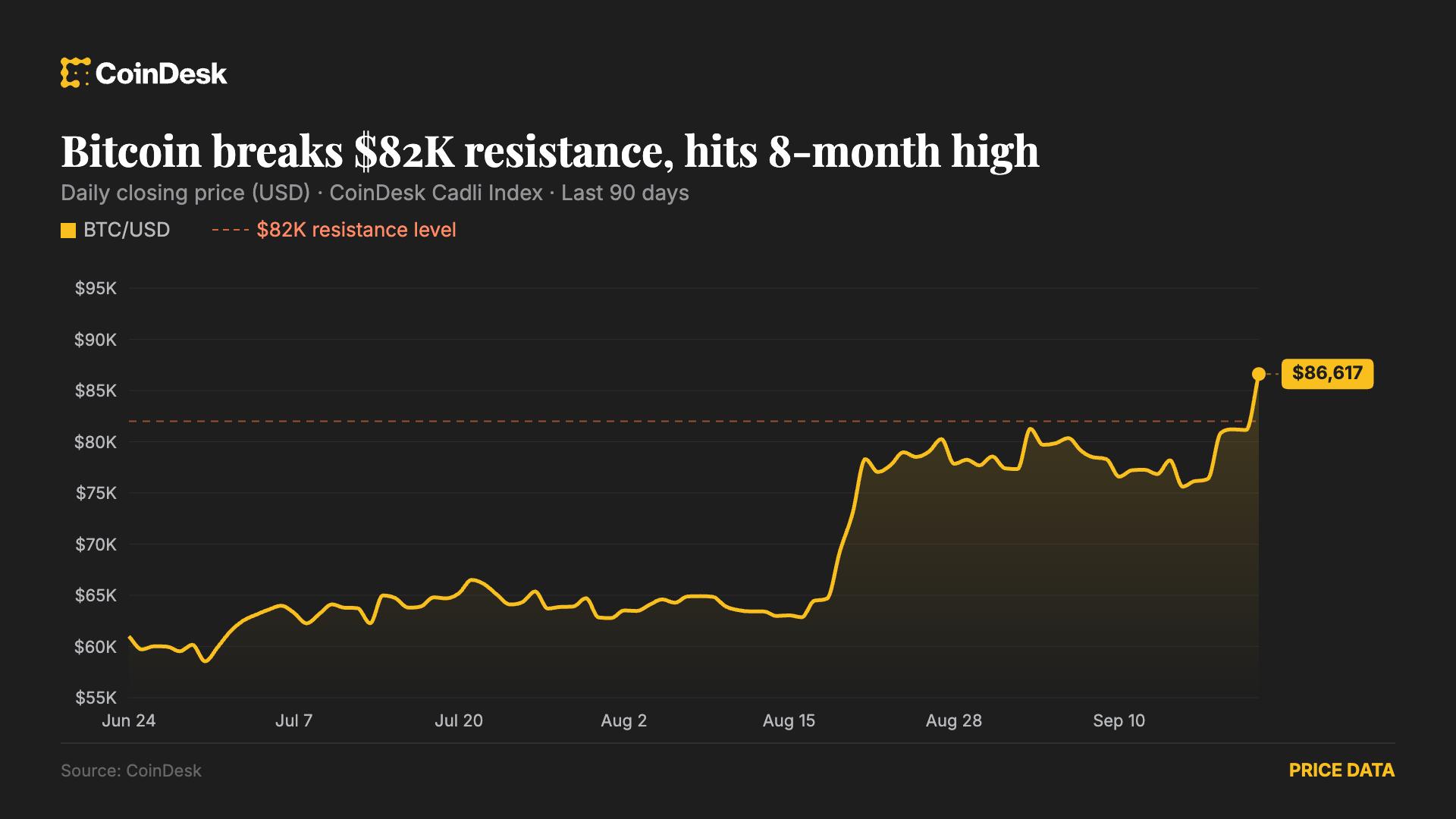
In March 2026, analysts noted that Bitcoin could test the $90,000 level after a wave of short positions began to get squeezed. Traders pointed out that leverage in Bitcoin futures and perpetual contracts was building, meaning more participants were exposed to the risk of a rapid price move. When the price started climbing, short sellers rushed to cover, adding buying pressure that helped push Bitcoin toward the $90,000 mark.
What It Means for You
If you are looking to earn passive income through crypto—whether by staking, cloud mining, or trading—understanding short squeezes and leverage is essential. A price spike caused by a squeeze can create short‑term profit opportunities, but it also brings heightened volatility. For long‑term holders, a squeeze may simply be a temporary blip, while for traders using leverage, it can mean sudden liquidation and loss of capital.
Moreover, platforms that offer leveraged products often require you to maintain a minimum margin. If the market moves sharply against you, you could lose more than your initial deposit. Always consider how much of your portfolio you are willing to risk on leveraged trades.
How to Assess the Risk
- Check open interest and funding rates. High open interest in leveraged contracts signals many participants are exposed to price moves. Funding rates (the periodic payment between long and short positions) can indicate whether longs or shorts dominate the market.
- Monitor leverage limits. Exchanges usually display the maximum leverage allowed for each product. Lower limits generally mean lower systemic risk.
- Watch liquidation data. Real‑time dashboards show how many positions are being liquidated. A surge in liquidations can precede a squeeze.
- Assess your own margin. Keep a comfortable buffer above the minimum margin requirement to avoid forced liquidation during volatile swings.
FAQ
What is the difference between a short position and a short squeeze?
A short position is an individual trade betting that the price will fall. A short squeeze is a market event where many short positions are forced to close simultaneously, driving the price up sharply.
Can I use leverage safely as a beginner?
Leverage amplifies both gains and losses. Beginners should start with low or no leverage, fully understand margin requirements, and only risk capital they can afford to lose.
Do short squeezes happen only in crypto?
No. Short squeezes occur in any market where short selling is allowed, such as stocks, commodities, and forex. The mechanics are the same; crypto markets often see larger swings because of lower liquidity.
How can I protect my earnings from a sudden squeeze?
Use stop‑loss orders to limit downside, keep a diversified portfolio, and avoid over‑leveraging. If you earn passive income through staking or mining, these activities are generally insulated from short‑squeeze dynamics.
This article references reporting from coindesk.com.