Are you wondering how government rules affect the ways you can earn crypto online? This article explains the basics of crypto regulation, why it matters for miners, stakers, and cloud‑reward platforms, and what you can do to stay on the right side of the law.
What crypto regulation actually is
Crypto regulation refers to laws, rules, and guidance issued by governments or regulatory agencies that govern how digital assets are created, traded, and used. These rules can cover a range of activities, including:
- Anti‑money‑laundering (AML) and know‑your‑customer (KYC) requirements: businesses must verify the identity of users and monitor transactions for suspicious activity.
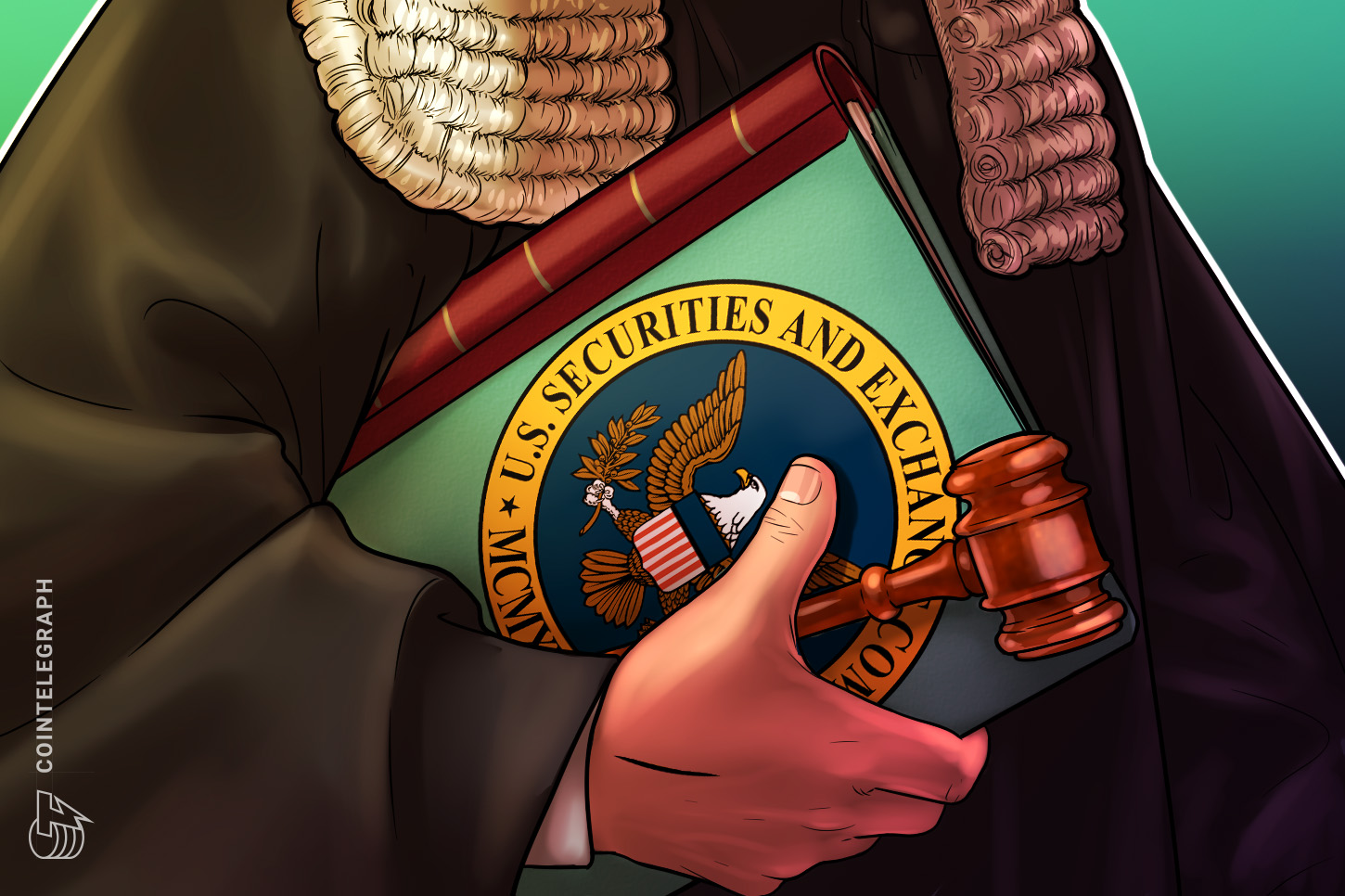
- Securities classification: regulators decide whether a token is a security, which subjects it to securities‑law compliance such as registration or exemption filings.
- Tax reporting: many jurisdictions require individuals to report crypto gains and losses on their tax returns.
- Consumer protection: rules that aim to prevent fraud, ensure transparent disclosures, and protect users from deceptive practices.
Because blockchain technology is global, a single project may need to comply with multiple jurisdictions simultaneously. This creates a complex compliance landscape that can affect everything from the ability to list a token on an exchange to the profitability of mining operations.
Real‑world illustration
In March 2026, a White House adviser publicly defended former President Donald Trump’s connections to the cryptocurrency industry after the U.S. Senate defeated the Crypto Clarity Act. The Act had sought to clarify how existing securities laws apply to digital assets and to establish a coordinated federal approach to crypto oversight. Its defeat highlighted the ongoing political debate over how tightly the United States should regulate the sector.
What this means for you
Regulatory outcomes directly influence the opportunities available for earning crypto online:
- Mining and green mining pools: If a jurisdiction classifies mining equipment as “energy‑intensive” without environmental safeguards, operators may face higher taxes or restrictions, reducing profitability for small miners.
- Staking and cloud‑reward services: Platforms that offer passive income by staking tokens must ensure the token is not deemed a security. Otherwise, they may need to register with securities regulators, which can add compliance costs or limit access for users.
- DeFi and yield farming: Decentralized finance protocols often operate across borders. Regulatory crackdowns in one country can lead to liquidity withdrawals, affecting the yields you earn.
- Tax obligations: Failure to report crypto earnings can result in penalties. Understanding how your jurisdiction treats mining rewards, staking payouts, and trading gains is essential.
How to assess regulatory risk
Before committing funds to any crypto‑earning method, consider these checks:
- Identify the token’s classification: Research whether the token you plan to earn is listed as a security, commodity, or currency in your country.
- Verify platform compliance: Look for public statements about AML/KYC policies, licensing, and any registrations with financial authorities.
- Monitor legislative developments: Follow bills like the Crypto Clarity Act or similar proposals in your region to anticipate changes that could affect earnings.
- Consult a tax professional: Ensure you understand reporting requirements for mining, staking, and other passive income streams.
- Assess environmental regulations: If you run your own mining hardware, check local energy policies that might impose limits or taxes on high‑consumption activities.
FAQ
Is staking considered a security?
It depends on the token and the jurisdiction. Some regulators view staking rewards as a return on investment, which can trigger securities laws. Always check the token’s legal status in your country before staking.
Do I need to report mining rewards on my taxes?
Yes. In most jurisdictions, the fair market value of mined coins at the time they are received is treated as taxable income. Subsequent price changes are subject to capital‑gain rules.
Can a change in regulation make my cloud‑reward earnings disappear?
Potentially. If a platform is forced to cease operations or withdraw certain services due to new rules, the rewards it distributes may stop. Choosing platforms with clear compliance strategies can reduce this risk.
What should I do if a new crypto law is proposed?
Stay informed through reliable news sources, review the bill’s text, and consider how it might impact the specific earning methods you use. Adjust your strategy early to avoid sudden disruptions.
This article references reporting from coindesk.com.