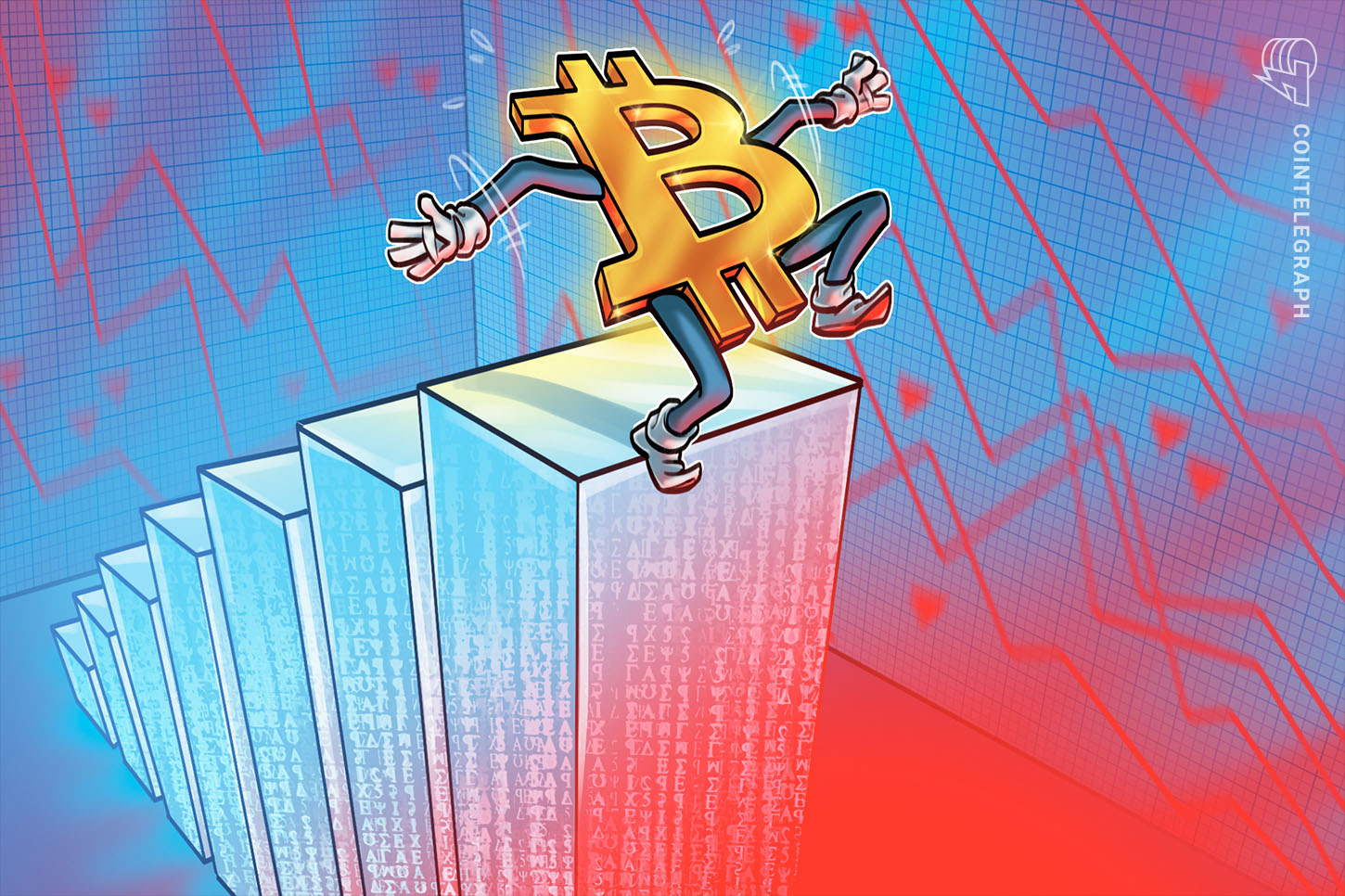
Ever wondered why a sudden price move can wipe out a large chunk of a trader’s position in minutes? This article explains what liquidations are, how they happen in crypto markets, and what you should watch to protect your own earnings.
What a liquidation actually is
A liquidation occurs when a trader’s leveraged position is automatically closed by the exchange because the market has moved against them enough to erode the required margin. Leverage lets a trader borrow funds to increase the size of a trade beyond the capital they actually hold. The borrowed amount amplifies both potential profits and potential losses.
Every leveraged position has a maintenance margin – the minimum amount of equity the trader must keep in the account to keep the position open. If the market price moves so that the trader’s equity falls below this threshold, the exchange steps in and sells the position at the best available price. This forced sale is the liquidation.
Liquidations serve two purposes: they protect the exchange from losing money on an unpaid loan, and they ensure that the market remains orderly by removing positions that can no longer be supported. However, large liquidations can create a cascade effect, where the forced selling adds further downward pressure on the price, triggering more liquidations.
Real‑world illustration
On September 23 2026, Bitcoin’s price slipped below $84,000 during the Wall Street opening. Over a four‑hour window, traders who were long (betting on a price rise) with leverage saw $280 million worth of positions automatically closed. Data from a market analytics service showed that the price briefly tried to break above $87,000 before falling back into a narrow range, and the resulting liquidations thickened liquidity on both sides of the spot price.
Analysts highlighted $82,000 as a critical support level. If Bitcoin had fallen further, more long positions would likely have been liquidated, potentially accelerating the price drop. The event also underscored that while Bitcoin had gained over 35 % since mid‑August, spot‑market demand remained weak, with on‑chain data showing a negative net demand of 180,000 BTC over the prior 30 days.
What this means for you
If you are using leverage to earn passive income or to amplify short‑term trades, liquidations are a risk you cannot ignore. A sudden price move of just a few percent can wipe out a large portion of your capital if your margin level is too low. Even if you are not using leverage, large liquidations in the market can cause rapid price swings that affect the value of any holdings you have.
Understanding liquidation dynamics helps you set realistic expectations for risk and reward. It also informs how you allocate capital between leveraged and unleveraged strategies, and whether you should keep a cash buffer to cover potential margin calls.
What to check before you trade
- Leverage ratio: The higher the leverage, the closer you are to the liquidation point. Beginners should start with low ratios (e.g., 2× or 3×) or avoid leverage altogether.
- Maintenance margin requirement: Know the exact percentage your exchange requires to keep a position open. This is often higher than the initial margin you posted.
- Liquidation price calculator: Most platforms provide a tool that shows the price at which your position would be liquidated based on current leverage and margin.
- Market depth and order book: Thin order books can cause larger price impacts when liquidations occur. Check the depth of the market for the asset you trade.
- Overall market sentiment: Indicators such as on‑chain spot demand, futures open interest, and recent price volatility can signal the likelihood of sharp moves that trigger liquidations.
FAQ
What’s the difference between a long and a short liquidation?
A long liquidation happens when the price falls and a trader who bought with leverage can’t meet the margin requirement. A short liquidation occurs when the price rises and a trader who sold short with leverage is forced to close the position.
Can I avoid liquidations altogether?
Not completely, but you can reduce the risk by using low or no leverage, maintaining a healthy margin buffer, and setting stop‑loss orders that close the position before the exchange does.
Do all exchanges handle liquidations the same way?
Most exchanges follow similar principles, but the exact maintenance margin levels, liquidation fees, and the speed of execution can vary. Always read the exchange’s margin policy before trading.
How do large liquidations affect the broader market?
When many positions are liquidated at once, the forced selling adds supply to the market, which can push the price down further. This can create a feedback loop where falling prices trigger more liquidations, amplifying volatility.
This article references reporting from cointelegraph.com.