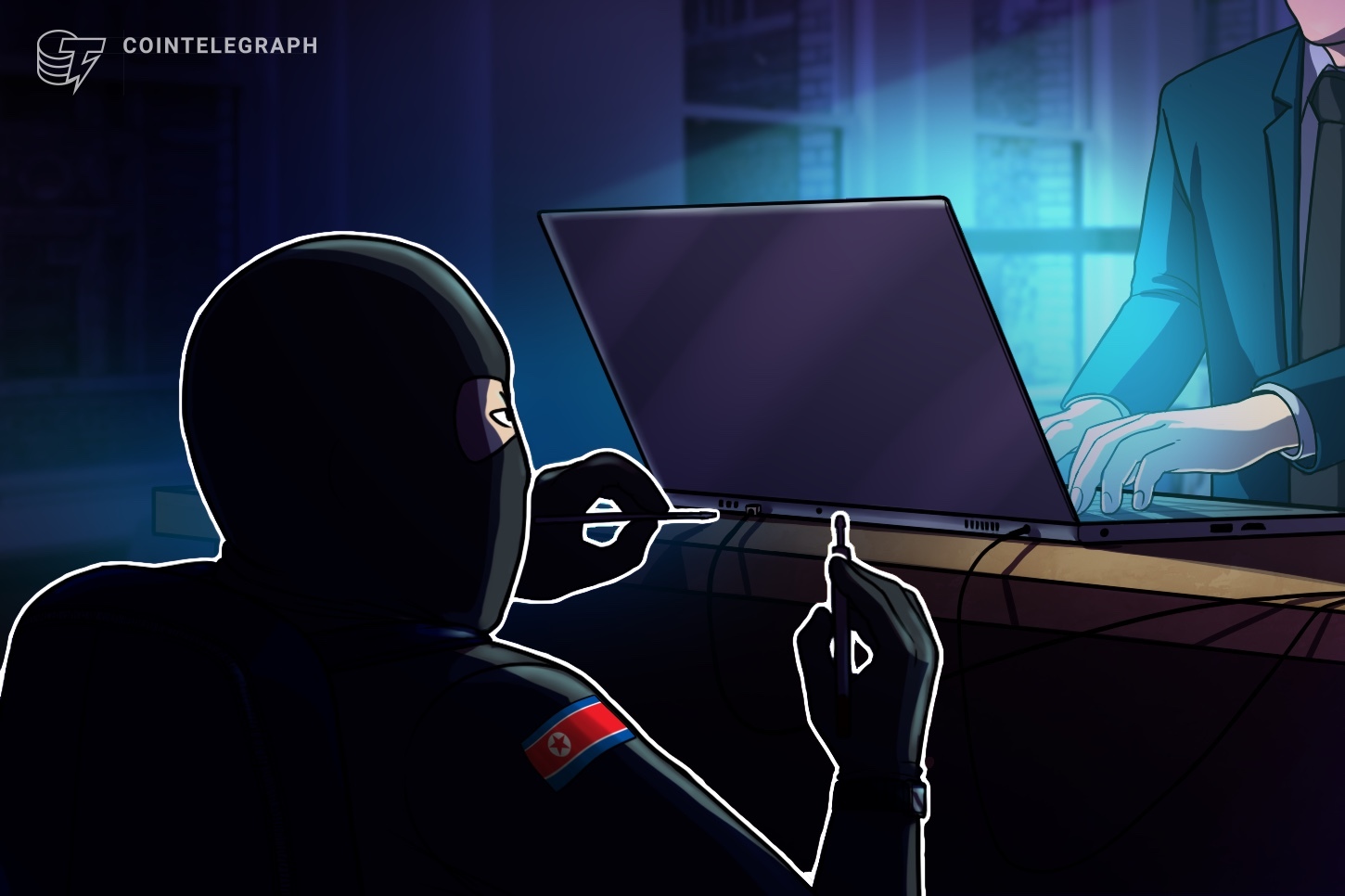
Wondering whether your crypto holdings are truly secure on an exchange? This article explains how exchange security works, what happens when a platform is hacked, and how you can protect your assets.
What exchange security actually means
A crypto exchange is a service that lets you buy, sell, and store digital assets. To operate, exchanges keep most user funds in hot wallets—online accounts that can be accessed quickly for withdrawals and trades. Because hot wallets are connected to the internet, they are vulnerable to cyber‑attacks. To reduce risk, exchanges also use cold storage, which means keeping the majority of assets offline in hardware devices or paper wallets.
Security measures typically include:
- Multi‑factor authentication (MFA): requires two or more verification steps before logging in or withdrawing.
- Encryption: data transmitted between your device and the exchange is scrambled so attackers cannot read it.
- Withdrawal whitelists: only pre‑approved addresses can receive funds, preventing unauthorized transfers.
- Regular audits: third‑party firms review the exchange’s code and procedures to spot weaknesses.
Even with these safeguards, no system is 100 % immune. When a breach occurs, the exchange may lose some funds, but many platforms have insurance or reserve funds to reimburse affected users.
Real‑world example
In March 2026, the crypto exchange Bitget announced that a hack had impacted roughly $352 million worth of assets. The company immediately stated that user funds were “safe,” meaning the compromised amount was limited to internal reserves or assets not belonging to customers. Bitget’s response highlighted the importance of transparent communication and having a contingency plan for such incidents.
What this means for you
If you store crypto on an exchange, a hack can affect you in two ways. First, if the exchange’s hot wallets are breached, the stolen assets may be those the platform holds on your behalf. Second, even if your personal balance is untouched, a breach can erode trust and lead to service disruptions, making it harder to access your funds when you need them.
For people looking to earn passive income—through staking, cloud rewards, or other platform‑based programs—exchange security is especially critical. A compromised platform can halt reward distributions or even cause loss of the staked principal.
What to check before trusting an exchange
- Security certifications and audits: Look for publicly available audit reports from reputable firms.
- Cold‑storage ratio: Exchanges that keep a high percentage of user assets offline are generally safer.
- Insurance or reserve funds: Some platforms maintain a “safety fund” to cover losses from hacks.
- Transparency: Regular updates about security practices and incident response plans are a good sign.
- User controls: Enable MFA, use strong passwords, and consider withdrawal whitelists.
FAQ
Can I fully trust an exchange with my crypto?
No platform can guarantee absolute safety. The best practice is to keep only the amount needed for active trading on an exchange and store the rest in a personal wallet you control.
What should I do if an exchange I use gets hacked?
Immediately check the exchange’s official communications for instructions. If your funds are at risk, withdraw any remaining balance to a secure personal wallet as soon as possible.
Do insurance funds cover all losses?
Insurance policies vary. Some cover only a portion of losses or only specific types of assets. Always read the fine print to understand the coverage limits.
Is using a hardware wallet safer than an exchange?
Yes, a hardware wallet stores private keys offline, making it immune to online hacks. However, it requires you to manage your own security, such as keeping backups and protecting the device from physical loss.
This article references reporting from coindesk.com.